Senate Passes DHS Funding Bill, Ending Shutdown Fears
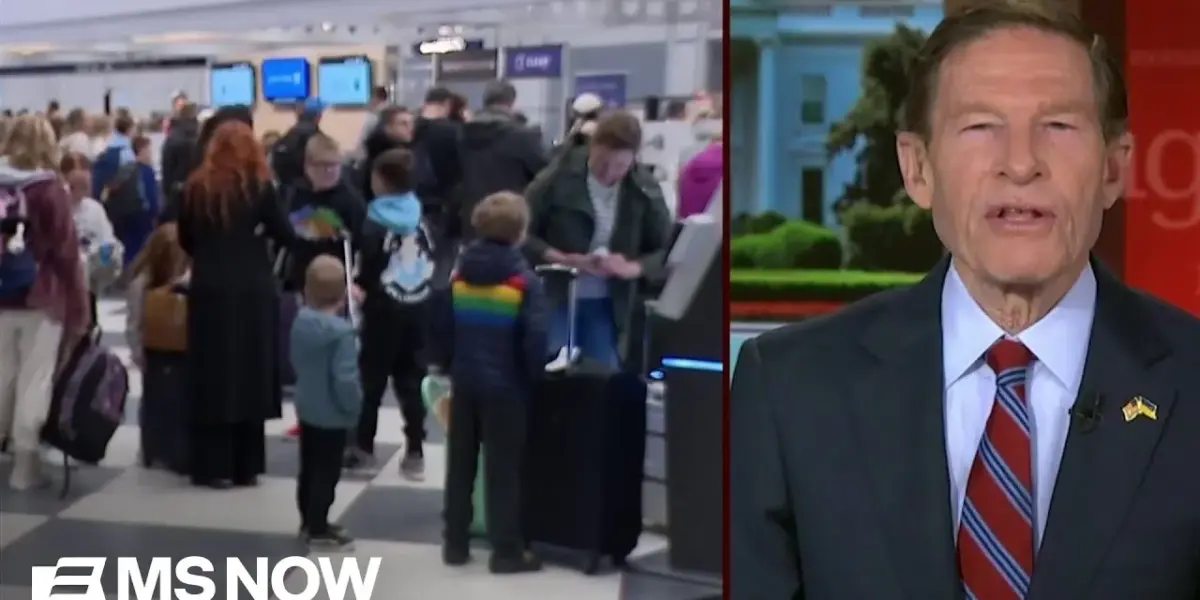
The Senate passed a bill funding the Department of Homeland Security, preventing a shutdown. Senator Richard Blumenthal criticized Republicans for delaying the deal, which he says could have been achieved weeks ago, and also raised concerns about unclear U.S. strategy and troop deployments in Iran.

Senate Passes DHS Funding Bill, Ending Shutdown Fears
Washington D.C. – In the early hours of Saturday morning, the United States Senate passed a crucial funding bill for the Department of Homeland Security (DHS), averting a potential government shutdown and ensuring essential services can continue. The measure, which passed around 2-3 AM, provides funding for agencies like the Transportation Security Administration (TSA), FEMA, and the Coast Guard. However, it notably does not include additional funds for Immigration and Customs Enforcement (ICE) or the Border Patrol, reflecting ongoing policy disagreements.
Deal Could Have Been Reached Weeks Ago, Senator Claims
Senator Richard Blumenthal of Connecticut, a member of the Senate’s Homeland Security Committee, expressed frustration that the agreement was not reached sooner. He stated on the Senate floor that the bill represented a deal that could have been achieved weeks ago. Senator Blumenthal highlighted that his party had proposed similar measures eleven times previously, only to be blocked by Republicans. The core of the disagreement, he explained, centered on demands for fundamental reforms within ICE and the Border Patrol before any additional funding would be approved.
Key Reforms Demanded for Border Agencies
The proposed reforms, which Senator Blumenthal and his colleagues insisted upon, aimed to increase accountability and transparency within immigration enforcement agencies. These demands included requiring agents to wear visible badges, use body cameras, and refrain from wearing masks. Furthermore, the reforms sought to prevent mass arrests and mandate the use of judicial warrants for entering private homes or conducting other forms of forcible entry into private spaces. The Senator emphasized that these reform demands were non-negotiable for securing further appropriations for these agencies.
Concerns Over Troop Deployment and Strategy in Iran
Beyond the DHS funding debate, Senator Blumenthal also voiced significant concerns regarding the current U.S. military strategy and troop deployment in Iran. He described the policy as having a “failed policy without clear objectives, a plan and a purpose.” The Senator noted that approximately 8,000 troops are being sent into harm’s way without a clear strategy, raising fears of potential massive casualties. He also expressed doubts about the adequacy of the current force to control the Strait of Hormuz, an objective that he believes was a consequence, not a cause, of potential conflict.
Unclear Objectives in Iran Strategy
Senator Blumenthal further elaborated on the confusion surrounding the objectives of the military action, citing goals such as securing enriched uranium or changing the regime. He argued that many of these objectives, including regime change, cannot be achieved through bombing. “Donald Trump cannot bomb his way to peace or to any of those objectives,” Blumenthal stated. He stressed that while degrading Iran’s military capacity, particularly its missile program, is a worthwhile goal supported by many in the Middle East, any further objectives would require diplomacy, not military force alone. The lack of clear strategy and objectives, he concluded, is causing growing dissatisfaction among members of Congress.
Cost Estimates Remain Elusive
Adding to the frustration, Senator Blumenthal pointed out the failure to provide realistic or reliable cost estimates for the military operations. He believes the American people deserve transparency regarding the financial implications of such actions, especially when American troops are being deployed. The current deployment, including units from the 82nd Airborne, is seen as potentially only a fraction of what would be needed if ground troops were to be deployed more extensively.
Looking Ahead
With the immediate threat of a DHS shutdown averted, attention will likely shift back to the ongoing policy debates surrounding border security and immigration enforcement. Meanwhile, the strategic discussions and potential troop movements related to Iran will continue to be closely watched by lawmakers and the public alike. The effectiveness of diplomatic solutions versus military action in the Middle East remains a critical question for the coming months.
Source: This deal could've been achieved weeks ago: Sen. Blumenthal on ending shutdown for most of DHS (YouTube)

Related Articles

Government Shutdown Sparks TSA Pay Chaos; Woods Arrested
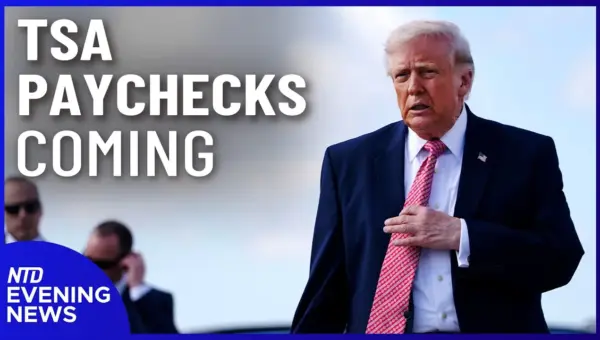
The government shutdown caused major disruptions, leading to TSA agents working without pay and President Trump signing an order to ensure their compensation. Meanwhile, golf icon Tiger Woods was arrested following a car crash in Florida. The news cycle also covered US operations in Iran, support for American farmers, political discussions at CPAC, election record disputes, and lawsuits against social media companies for their impact on students.


House Republicans Block DHS Funding Bill; Iran Faces War Fears
House Republicans have rejected a Senate-passed bill to fund the Department of Homeland Security, leaving thousands of TSA workers unpaid and deepening a political standoff. Meanwhile, in Iran, citizens face escalating conflict amidst fear, an internet blackout, and growing internal divisions, though glimmers of hope persist.


Gov’t Shutdown Grips Nation as Markets Plunge
The U.S. government shutdown continues, causing historic airport delays and deepening political gridlock as lawmakers reject compromise deals. Meanwhile, Wall Street experienced a sharp sell-off, with the Dow entering correction territory amid rising global oil prices and escalating tensions with Iran over control of the Strait of Hormuz.