Senate Passes DHS Funding Bill, Aims to End Shutdown
The Senate has unanimously passed a partial funding bill for the Department of Homeland Security, aiming to end the ongoing government shutdown. The bill, which heads to the House next, would fund most of DHS but excludes ICE and some Border Patrol operations. This move comes as federal workers, particularly TSA agents, face severe financial hardship.

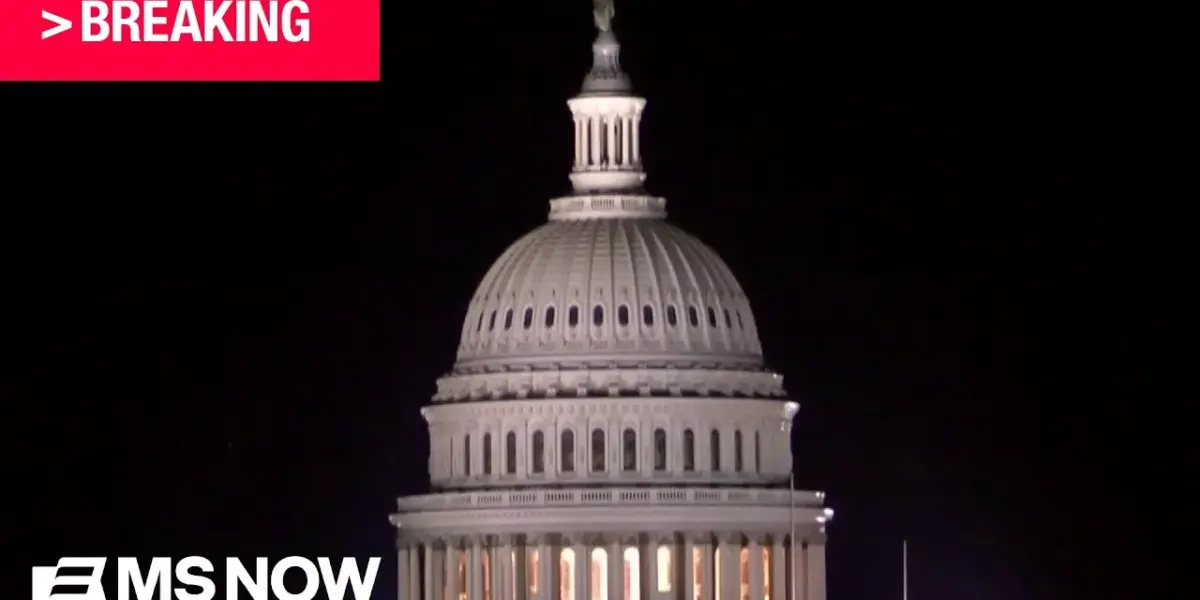
Senate Approves Partial DHS Funding Bill Amid Shutdown Fears
In a late-night session that stretched into the early morning, the U.S. Senate has unanimously passed a partial funding bill for the Department of Homeland Security (DHS). The vote, which occurred shortly after 2 a.m., offers a potential pathway to end the ongoing partial government shutdown that has impacted federal workers and national security operations. If the bill successfully navigates the House of Representatives and is signed by the President, thousands of Transportation Security Administration (TSA) and other federal employees would begin receiving their paychecks again. This development could bring much-needed relief to workers struggling financially and ease the long wait times Americans have experienced at airports nationwide.
Key Provisions and House Hurdles
The approved Senate bill would fund most of DHS, with notable exceptions. It excludes funding for Immigration and Customs Enforcement (ICE) and certain aspects of Customs and Border Protection (CBP), specifically the Border Patrol units. However, other CBP operations would still receive funding. The Senate’s unanimous approval, achieved through unanimous consent, now sends the bill to the House of Representatives for consideration. The path forward in the House is expected to be more complex.
House Speaker Mike Johnson has previously expressed reservations about splitting the DHS funding package, particularly regarding the exclusion of ICE funding. While he may ultimately support the bill, some Republicans are reportedly unhappy with the decision to separate ICE funding. On the other side, some Democrats are disappointed that the final package does not include immigration reforms they have been pushing for, especially concerning how ICE conducts immigration enforcement.
President Trump’s Influence and Shutdown Timeline
A significant wildcard in the legislative process is former President Donald Trump’s stance. His opinions on the DHS funding negotiations have fluctuated throughout the week. Initially, he reportedly opposed the proposal, then suggested Republicans should not compromise until Democrats passed the Save America Act. Later, he expressed uncertainty about whether he would approve any deal reached by Republicans. When asked if President Trump would sign the bill, Senate Majority Leader Chuck Schumer expressed hope, acknowledging that he cannot speak for the former President but understood the direction of the discussions.
Friday marks the 42nd day of the government shutdown. If a resolution is not reached by Saturday, the shutdown could surpass the historic 43-day shutdown from last year. The urgency to pass the bill is heightened by the immediate financial strain on federal workers. TSA agents, for instance, have spoken of donating plasma and sleeping in their cars to make ends meet, with some calling out from work or even quitting their jobs. This situation has directly impacted travelers, leading to hours-long security lines at airports.
Impact on Federal Workers and Traveler Experience
The Deputy Administrator of TSA highlighted the critical need for the funding bill, explaining that while back pay is expected, the immediate inability of agents to pay their bills and manage their lives during the shutdown caused significant hardship. This difficult situation for federal employees was a key factor in pushing lawmakers toward the current agreement. Although President Trump announced via Truth Social that he had directed DHS Secretary Mark D. Weidman to pay TSA agents, questions remained about the practicality and speed of such a measure. Swift passage of the Senate bill could resolve this concern more directly and quickly.
Looking Ahead: House Action and Potential Resolution
The House of Representatives is expected to begin considering the Senate’s bill as early as Friday. House Republican leaders have prepared offices for potential votes throughout Friday and possibly the weekend. While the House could process the bill on an expedited timeline, it may require additional time. The coming days will be crucial in determining if this partial funding bill can pass the House and reach the President’s desk in time to prevent further financial hardship for federal workers and to alleviate the disruptions caused by the shutdown.
Source: BREAKING: Senate passes partial funding bill for DHS (YouTube)

Related Articles

Government Shutdown Sparks TSA Pay Chaos; Woods Arrested
The government shutdown caused major disruptions, leading to TSA agents working without pay and President Trump signing an order to ensure their compensation. Meanwhile, golf icon Tiger Woods was arrested following a car crash in Florida. The news cycle also covered US operations in Iran, support for American farmers, political discussions at CPAC, election record disputes, and lawsuits against social media companies for their impact on students.


House Republicans Block DHS Funding Bill; Iran Faces War Fears
House Republicans have rejected a Senate-passed bill to fund the Department of Homeland Security, leaving thousands of TSA workers unpaid and deepening a political standoff. Meanwhile, in Iran, citizens face escalating conflict amidst fear, an internet blackout, and growing internal divisions, though glimmers of hope persist.

Democrats Demand End to DHS Shutdown, Pass Bipartisan Bill
Democrats are demanding an immediate end to the Department of Homeland Security (DHS) shutdown, urging House Republicans to pass a bipartisan Senate bill. The legislation aims to fund essential services, pay TSA agents, and end airport chaos. Democrats criticize Republicans for obstructing the bill to push ideological agendas and reform ICE.