Senate Funds DHS, Leaving House to Decide Border Fight
The U.S. Senate has agreed to fund most of the Department of Homeland Security, providing salaries for TSA and FEMA. However, funding for ICE and Border Patrol was left out. The House of Representatives now faces the decision, with disagreements over border reforms potentially causing further delays.

Senate Funds DHS, Leaving House to Decide Border Fight
After weeks of political deadlock, the U.S. Senate has reached an agreement to fund most of the Department of Homeland Security (DHS). This deal aims to end a shutdown that has significantly impacted government workers, especially at airports. However, the agreement leaves key border security funding unresolved, pushing the final decision to the House of Representatives. The Senate passed its funding measure overnight, but it still needs approval from the House and President Trump’s signature.
What the Senate Deal Includes
The Senate’s plan will provide funding for crucial agencies like FEMA, the TSA, and the Secret Service. This means many government employees who have been working without pay will finally receive their salaries. But the agreement specifically excludes funding for Immigration and Customs Enforcement (ICE) and Border Patrol. Democrats had pushed for reforms related to these agencies, such as requiring federal officers to remove masks and show proper identification. Republicans resisted these demands, leading to the compromise of leaving border security funding out of this bill.
The Political Tug-of-War
The disagreement highlights a deep division between Democrats and Republicans. Democrats wanted to use the funding bill to force changes in immigration enforcement policies. They argued for greater transparency and accountability from border agents. Republicans, on the other hand, prioritized direct funding for border security without what they saw as Democratic interference. This standoff has lasted for over 40 days, causing significant disruption and anxiety for thousands of federal employees.
Impact on Airport Workers and Travelers
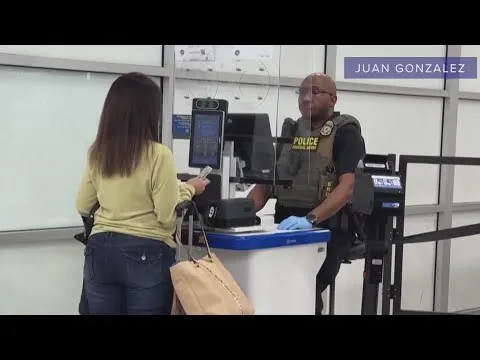
The shutdown has had a direct and visible impact on air travel. TSA agents have been working without paychecks, leading to high call-out rates and some officers quitting. Reports indicate that over 40% of TSA agents have called out sick at some airports, and around 500 security officers have resigned. This has resulted in significantly longer lines and travel nightmares for passengers across the country. Flyers have faced hours-long waits at security checkpoints.
President Trump’s Role and White House Response
President Trump has been a central figure in this dispute. He has expressed concern over the shutdown and particularly the impact on TSA agents. He previously posted on Truth Social about issuing an order to ensure TSA agents get paid. Reports suggest this money might come from a large spending bill passed last year. The White House stated the President’s goal was to stop what he called “Democrat chaos at the airports.” If the House passes the current deal, the President’s order might become unnecessary. The President is expected to speak on related matters soon.
Challenges Ahead in the House
The bill’s journey is not over. It now moves to the House of Representatives, where its passage is uncertain. Some Democrats may still push for the border reform demands that were left out of the Senate deal. On the other side, some Republicans might be unhappy that ICE and Border Patrol are not receiving any funding in this package. Further negotiations and a vote are expected later today. The uncertainty means the government shutdown could continue if the House cannot agree on a path forward.
Global Impact
While this is primarily a domestic U.S. issue, government shutdowns can have broader implications. They can signal political instability or dysfunction to international partners and investors. For agencies like DHS, which play a role in international security and border cooperation, prolonged funding uncertainty can disrupt ongoing operations and collaborations. It also affects the U.S.’s image as a reliable global actor. The focus on border security versus reform also reflects ongoing international debates about migration management and human rights.
Historical Context
Government funding battles are not new in U.S. politics. However, the duration and specific issues in this DHS funding debate are notable. Disputes over border security funding have intensified in recent years, reflecting changing political priorities and a polarized Congress. Past administrations have also faced shutdowns over spending disagreements, but the current focus on specific enforcement policies within DHS highlights a particular point of contention in the immigration debate.
Economic Considerations
The economic effects of a shutdown are tangible. Federal employees working without pay face financial hardship, impacting local economies. Disruptions to government services, like those at airports, can also affect commerce. While this deal aims to restore funding for some agencies, the exclusion of border security funding means that critical areas of government operations remain in limbo. This can create uncertainty for businesses reliant on government services or regulations.
Future Scenarios
Several outcomes are possible. The House could pass the Senate’s bill quickly, resolving the immediate funding crisis for most DHS agencies. Alternatively, the House could attempt to amend the bill with their own priorities, leading to further negotiation or a renewed deadlock. A complete failure to pass any funding could extend the shutdown for more agencies and workers. The most likely scenario is a short-term resolution, but the underlying disagreements over border policy will likely persist.
Source: Senate agrees to fund most of DHS, leaving House with hours to pass | NewsNation Live (YouTube)

Related Articles

House Considers DHS Funding to End Shutdown Stalemate
The House is poised to vote on a Department of Homeland Security (DHS) funding bill passed by the Senate, aiming to end a 42-day government shutdown. The measure would fund essential personnel like TSA agents but excludes funding for ICE and imposes no new immigration limits. Congressman Mike Heridopoulos expressed urgency to resolve the "silly shutdown" and highlighted concerns about long-term damage to federal agencies.

Government Shutdown Strains TSA, Sparks Airport Chaos
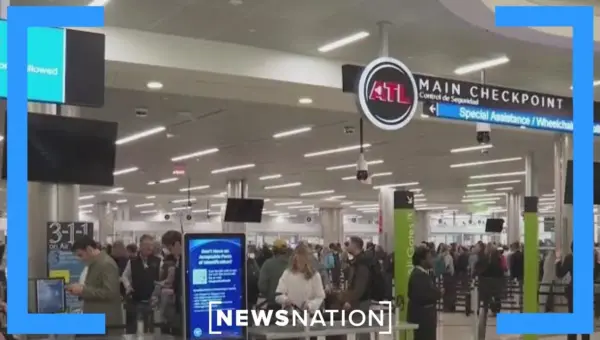
A recent government funding bill's passage hasn't immediately fixed widespread airport delays. TSA staffing shortages, caused by delayed paychecks from the shutdown, are leading to extreme wait times. Travelers face missed flights and frustration, while TSA workers question their job security.

TSA Lines Snag Amid Senate Funding Vote, Democrats Demand Reforms
The Senate has passed a partial funding bill for the Department of Homeland Security, sending it to the House. Democrats are pushing for an immediate vote to ensure TSA workers get paid, but key immigration reforms remain a major sticking point. Congressman James Walkinshaw stated he will not vote for ICE or CBP funding without reforms, calling the current situation "good governance? It isn't."