Scream 7 Falters: AI Twists and Franchise Fatigue
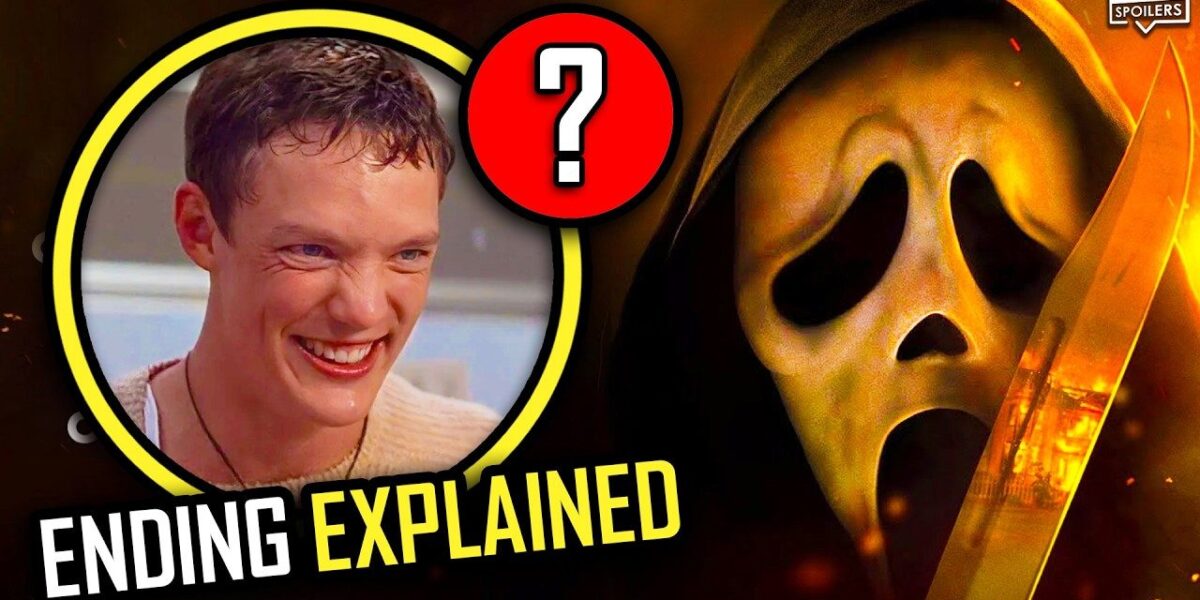
Scream 7 attempts to revive the franchise with an AI-driven plot and the return of Sidney Prescott, but a tumultuous production and a divisive narrative have left fans questioning the series' future. The film's reliance on digital trickery and weak motivations has led to widespread criticism, with many feeling the franchise has lost its edge.

Scream 7 Falters: AI Twists and Franchise Fatigue
The latest installment in the iconic Scream franchise, Scream 7, has hit theaters, and the reception has been anything but a clear kill. After the seemingly neat conclusion of Samantha Carpenter’s arc in Scream 6, where she embraced her independence and moved past her father’s legacy, Hollywood’s insatiable appetite for sequels has brought us back to Woodsboro, albeit with a significantly reshaped cast and a plot that has left many fans and critics divided. The film’s ambitious attempt to weave in cutting-edge AI technology as a central plot device has ultimately fallen flat for many, leading to a critical consensus that the franchise may be becoming the very thing it once so cleverly satirized.
Behind the Scenes Turmoil and Reshaped Narrative
The road to Scream 7 was far from smooth. The departures of key stars Melissa Barrera (Samantha Carpenter) and Jenna Ortega (Tara Carpenter) significantly impacted the film’s direction. Barrera was reportedly fired by Spyglass Media Group due to social media posts regarding the Israel-Hamas conflict, while Ortega cited scheduling conflicts, though rumors suggested a broader production instability. This seismic shift necessitated a substantial rewrite, reportedly costing half a million dollars, to retool the original vision. Initially, the franchise seemed to be in a cycle of remixing its past entries, with 2022’s Scream (often referred to as Scream 5) mirroring the original, and Scream 6 acting as a remix of Scream 2. Many anticipated Scream 7 would pay homage to Scream 3, but the cast changes forced a more drastic overhaul.
Adding to the behind-the-scenes drama, original Scream creator Kevin Williamson returned to pen the script and, for the first time in the franchise, to direct. His involvement was seen as a potential return to form, especially with the much-anticipated return of Neve Campbell as Sidney Prescott, who was absent from Scream 6 due to a salary dispute. However, the absence of Barrera and Ortega meant their characters, Sam and Tara, were unceremoniously “poochied,” a term that implies a swift and anticlimactic removal from the narrative.
The AI-Fueled Ghostface and a Flawed Revival
Scream 7 opens with a nod to the franchise’s tradition of memorable opening kills. The film begins at Stu Macher’s infamous house, now an Airbnb experience, where a true-crime obsessed fan, Scott (Jimmy Tatro), and his girlfriend fall victim to Ghostface. This sequence, while gory and setting a tone for the film’s increased violence, also serves to address lingering fan theories about Stu Macher’s survival, a popular if illogical notion within the fandom. The film directly acknowledges this by having a true-crime podcast discuss Stu’s supposed survival, poking fun at the persistent belief in characters’ returns.
The central twist of Scream 7 revolves around the use of Artificial Intelligence to simulate the return of deceased characters, most notably Stu Macher. The masterminds behind this plan are Jessica (Ana de Armas), a psychotic fan inspired by Sidney’s book “Out of Darkness,” and her accomplices Marco and Carl. Marco, a former Google security specialist, uses his expertise to create deepfake videos, including AI-generated appearances of Stu, Nancy Loomis, Roman Bridger, and even Dewey Riley. This revelation, however, has been a major point of contention. Critics argue that the “it was all AI” or “it was a deepfake” trope cheapens the narrative, undermining the stakes and the emotional impact of character returns. The motivation for the killers—to force Sidney back into her “old self” after she missed the Ghostface spree in New York—is also deemed by many to be flimsy and unsatisfying, particularly when compared to the more grounded motivations in earlier sequels.
Sidney’s Return and a New Generation in Peril
Sidney Prescott’s return is a significant event for fans, but her storyline centers on her struggle as a mother. She is now married to Mark (Joel McHale), a police chief, and they have three children, including Tatum, named after Sidney’s best friend from the original film. Sidney is depicted as overly protective of Tatum, attempting to shield her from the horrors of her past. This mother-daughter dynamic, intended to be a core theme, is overshadowed by the convoluted AI plot. Tatum, much like her mother in Scream 2, finds herself in the school theater, but lacks her mother’s confidence, leading to her being targeted by Ghostface. The film attempts to mirror iconic moments, such as Tatum’s boyfriend entering her room like Billy Loomis, but the execution feels repetitive rather than resonant.
The film also introduces characters like Jessica, a neighbor and friend of Sidney’s, played by Anya Taylor-Joy, who serves as a red herring. The presence of returning characters like Gale (Courteney Cox), Mindy (Jasmin Savoy Brown), and Chad (Mason Gooding) feels shoehorned in, with their repeated survivals stretching credulity and detracting from the stakes. Mindy’s meta-commentary, once a franchise staple, is criticized for becoming repetitive.
A Gory Farewell or a Faltering Future?
The climax sees Sidney, Tatum, and the surviving friends confronting the Ghostfaces. The AI-generated appearances of deceased characters are revealed to be a facade, a cheap trick to lure Sidney and force Tatum to confront her mother’s legacy. The final confrontation involves Jessica and Marco, with Jessica’s motivation being that Sidney is no longer a worthy “final girl” because she has grown old. This sentiment is met with derision, especially given the enduring presence of characters like Jamie Lee Curtis in the Halloween franchise.
Ultimately, Scream 7 delivers a brutal, albeit messy, conclusion. Sidney and Tatum manage to defeat the Ghostfaces, but the film’s narrative missteps have left a sour taste. The overreliance on AI, the weak motivations, and the feeling of franchise fatigue have led to a critical reception that echoes the sentiment that Scream 7 has become the very thing it once mocked: a series relying on tired tropes and meta-commentary without the clever deconstruction that defined its early success. The film’s visual aesthetic is often compared to a Netflix original, and the acting is described as “incredibly bad” in parts, likely a consequence of the rushed rewrites.
While some viewers have reportedly enjoyed the film, the consensus leans towards disappointment. The original Scream was lauded for its expert deconstruction of the horror genre, and Scream 5 successfully critiqued toxic fandom. However, Scream 7 is seen as paper-thin, failing to deliver a meaningful mother-daughter story or a cohesive commentary on legacy sequels. Instead, it feels like an implosion, a shadow of its former self, caught in a loop of its own references and clichés without the ability to bring them together in a satisfying or meaningful way.
Source: SCREAM 7 Ending Explained | Plot Breakdown, Ghostface Reveal, Original Plans & Review (YouTube)

Related Articles

Horror Franchises’ Biggest Blunders Revealed!
From timeline-shattering deaths to nonsensical plot twists, certain moments have left horror fans scratching their heads and questioning the very fabric of their beloved franchises. Watch Mojo's latest deep dive into the Top 10 Exact Moments That DESTROYED Great Horror Franchises pulls back the curtain on those infamous scenes that divided audiences and, in some cases, irrevocably altered the course of cinematic nightmares.


Ghostface’s Reign of Terror: The 20 Most Brutal Scream Kills
Ghostface's legacy of terror is cemented with some of the most brutal kills in horror history. From the iconic opening of the original 'Scream' to the latest installment, WatchMojo ranks the 20 most gruesome deaths inflicted by the masked killer. Prepare for a deep dive into the bloodiest moments of the franchise.


Scream 7: A Meta Masterpiece or a Stab at Mediocrity?
Scream 7 delivers meta-commentary and brutal kills but struggles with character development and a weak third act. Despite behind-the-scenes drama, the film offers timely themes and tension, though some critics find it more 'Stab' than 'Scream'.