Schumer’s ICE Standoff Sparks Airport Chaos
Senator Schumer's push for ICE reforms has led to TSA agents not being paid, causing widespread airport delays and cancellations. The political standoff is impacting travelers and the TSA workforce, with nearly 460 agents having quit.

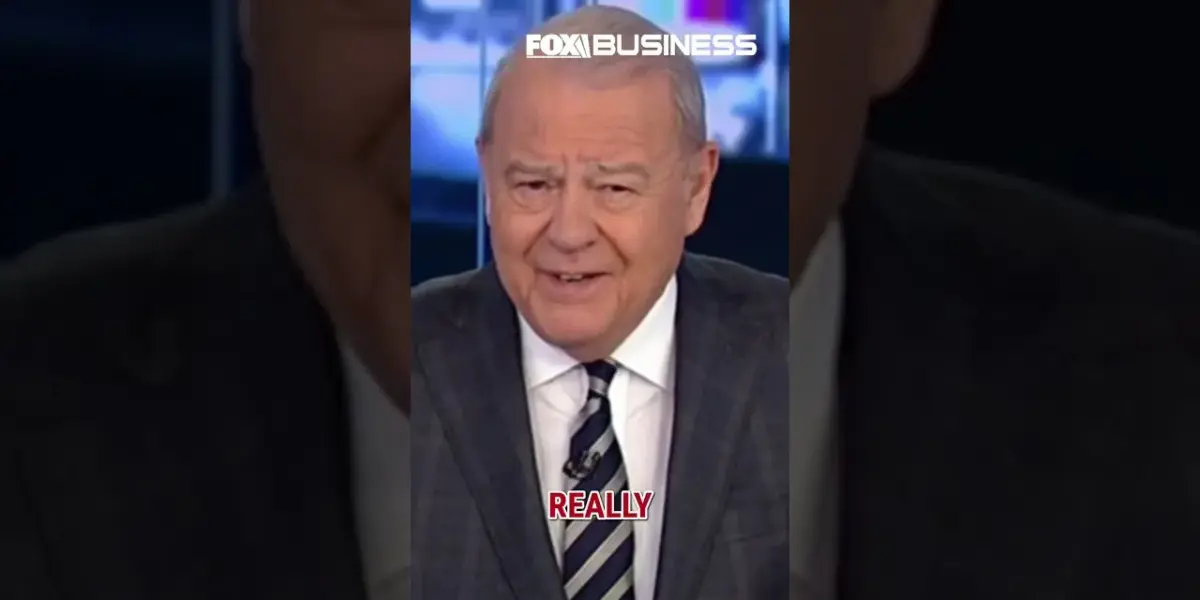
Airport Delays Surge Amidst Political Gridlock
Travelers flying across the country are facing significant disruptions, with long lines and flight cancellations becoming common. This chaos is directly linked to a political dispute in Washington. The core issue involves funding for the Transportation Security Administration (TSA) and a broader debate over immigration enforcement.
The Schumer-ICE Impasse
At the heart of the problem is a standoff led by Senator Chuck Schumer. He is pushing for major reforms to U.S. Immigration and Customs Enforcement (ICE). To pressure his opponents, he has linked the payment of TSA agents to progress on his ICE agenda. This means TSA employees are not being paid unless and until ICE’s operations are altered according to his demands.
Republicans have proposed their own reforms for ICE, but Senator Schumer has rejected these offers. This deadlock has created a ripple effect, impacting airport operations and the TSA workforce. The situation has left many travelers frustrated and angry about the prospect of lengthy security waits and disrupted travel plans.
ICE Agents’ Role and Political Attacks
Ironically, ICE agents have been assisting at airports, helping to shorten security lines for passengers. Despite this support, some politicians are criticizing ICE’s presence. Senators Booker and Blumenthal, along with Congressman Jeffries, have echoed a narrative suggesting ICE agents pose a threat to travelers. They claim ICE could potentially harm or kill individuals at airports.
This criticism highlights a stark contrast. While ICE agents are working to ease travel burdens, certain political figures are painting them in a negative light. The speaker points out the irony of punishing the very agency that is trying to help the traveling public.
Internal Democratic Politics Fueling the Fire
Understanding this dispute requires looking at the internal politics within the Democratic party. A vocal progressive wing is strongly against ICE in its current form. They are demanding significant changes and are unwilling to compromise with the current administration’s approach to immigration enforcement.
Senator Schumer appears to be navigating these internal pressures. He may be concerned about facing strong opposition from progressive figures like Alexandria Ocasio-Cortez if he appears to yield on ICE reforms. This political calculus seems to be driving his firm stance: maintain pressure on ICE and withhold TSA pay until his demands are met.
Impact on TSA Workforce
The financial uncertainty is taking a toll on the TSA workforce. Since TSA agents stopped receiving their regular paychecks due to the funding dispute, reports indicate that approximately 460 agents have resigned. This loss of personnel further exacerbates the staffing shortages and contributes to longer wait times for travelers.
Market Impact
While this situation is primarily a political and operational issue, it has indirect economic consequences. Disruptions at major transportation hubs can impact business travel and tourism. Airlines may face increased costs due to delays and cancellations, which could eventually be passed on to consumers. The uncertainty also affects consumer confidence in air travel, potentially dampening spending on related services.
What Investors Should Know
Investors focused on the airline and travel industries should monitor this situation closely. Significant, prolonged disruptions could impact the earnings of major airlines and airport operators. Companies reliant on business travel may see reduced activity. The ongoing political debate also highlights the broader risks associated with government shutdowns or funding impasses affecting critical infrastructure and public services.
The situation underscores the importance of political stability for economic functions. It also draws attention to the operational challenges faced by government agencies when political priorities clash with public service needs. The long-term implications depend on how quickly a resolution is reached and whether it leads to a sustainable approach to both immigration policy and essential government worker compensation.
Source: Varney: You have every right to be mad as hell #shorts (YouTube)

Related Articles
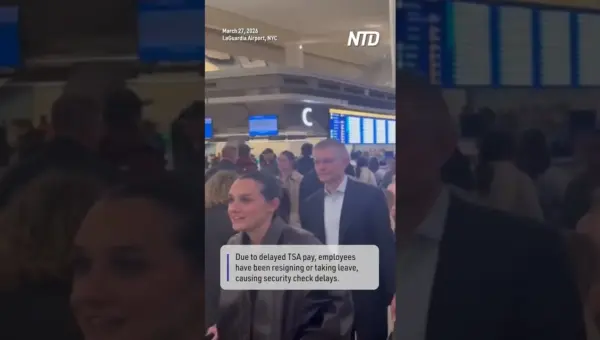
TSA Staff Cuts Create Airport Chaos for Travelers
Recent TSA agent shortages, fueled by a government shutdown and delayed pay, have caused significant delays and long security lines at major airports. This situation highlights the critical role of TSA staff and the impact of funding issues on essential services.
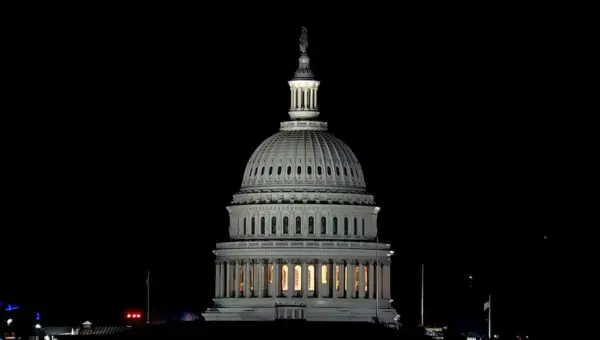
House Funds DHS, But Senate Deal Unlikely Amid Shutdown
The House of Representatives has passed a bill to fund the Department of Homeland Security, but the measure is unlikely to pass the Senate. TSA workers, who have faced missed paychecks and disruptions, may receive some pay soon due to a presidential order, but the broader shutdown continues.
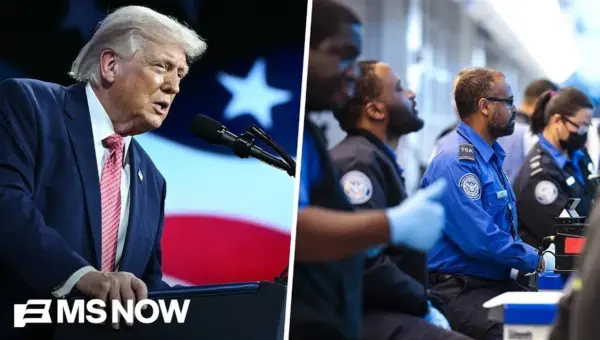
TSA Workers Paid as Congress Remains Divided on Funding
TSA workers are set to receive paychecks thanks to a presidential memo, bypassing a divided Congress. Meanwhile, a bipartisan Senate deal to fund the Department of Homeland Security was rejected by House Republicans, who are now pushing their own stopgap bill. The ongoing stalemate highlights deep political divisions and raises concerns about the government's ability to function effectively, impacting essential services and public confidence.