Schiff Slams Iran War as ‘Unsustainable,’ Warns of Rising Costs
Senator Adam Schiff argues that the war with Iran is 'simply unsustainable' due to its unclear objectives and escalating costs for the American people. He criticizes the administration's lack of transparency regarding the conflict's duration and financial burden, warning of dire economic consequences.

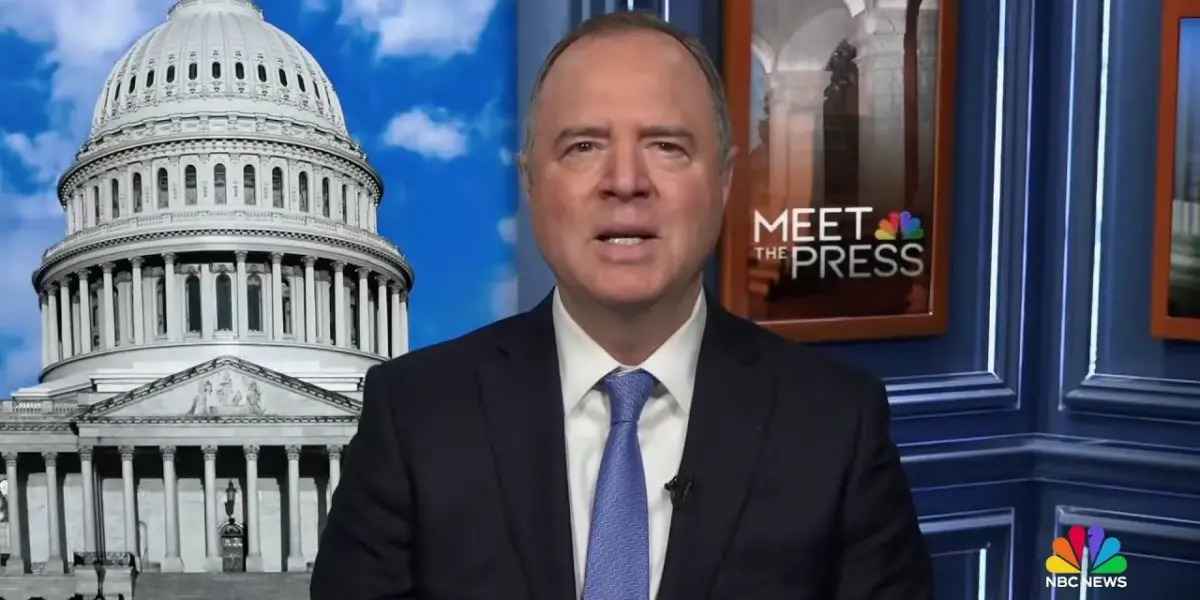
Schiff Criticizes Iran War Justification, Citing Lack of Clarity on Costs and Objectives
California Democratic Senator Adam Schiff has strongly criticized the Trump administration’s rationale for engaging in military conflict with Iran, asserting that the war is ‘simply unsustainable’ for the American people. Appearing on ‘Meet the Press,’ Schiff challenged the administration’s claims that the conflict is necessary for global security and that it will ultimately be short-lived. He argued that President Trump has not been transparent with the American public about the true costs, duration, and objectives of the war, which he contends is already proving to be a significant financial and human burden.
Schiff pointed to the immediate financial toll, noting that billions of dollars have already been spent and 13 service members have been lost. He questioned the administration’s stated justification of an ‘imminent threat,’ particularly the claim of a threat from ballistic missiles capable of reaching the United States. According to Schiff, such a threat is ‘years and years away,’ citing estimates from the Defense Intelligence Agency that suggest it would take nine years for Iran’s missile program to pose such a danger.
The Senator also highlighted the administration’s shifting stance on regime change in Iran, noting the conflicting messages from top officials. This lack of a clear objective, Schiff argued, makes it difficult to determine when the war’s goals have been accomplished. He expressed concern that the deployment of the 31st Marine Expeditionary Force signals a potential for ‘boots on the ground,’ a prospect he believes the administration has not fully disclosed to the public.
“I don’t think the war is worth the cost and it has already unleashed a lot of things that should have been foreseen like the closing of the strait, like Iran’s attack on its neighbor.”
Skepticism Over War’s Timeline and Economic Repercussions
Addressing the administration’s anticipation that the conflict could be over in a matter of weeks, Schiff expressed deep skepticism. While acknowledging that ‘there are no guarantees in war,’ he drew a stark contrast between Iran and a country like Venezuela, suggesting that the administration’s expectations might be overly optimistic. He emphasized that the enemy, Iran, also has a say in how long a conflict lasts.
Schiff warned that continued Iranian actions, such as attacks on ships in the Strait of Hormuz, could lead to rising gas prices for Americans. This, in turn, could force the U.S. to become more entrenched in the conflict to ensure the passage of ships. He found it hard to believe that countries like China would actively participate in escorting vessels through the strait, as suggested by the President.
The Senator underscored the economic burden on American families, arguing that the war is directly contributing to increased costs for basic necessities like groceries, lodging, and energy. He stated unequivocally, ‘It’s simply not sustainable,’ especially for a president who promised to lower the cost of living.
Revisiting Diplomatic Failures and the Iran Nuclear Deal
Schiff directly challenged the notion that military action was the only recourse, pointing to the previous nuclear agreement with Iran. He stated that this agreement had placed ‘serious constraints’ on Iran’s nuclear program, but that Donald Trump ‘tore up that agreement.’ According to Schiff, abandoning diplomacy leaves war as the only option, a path he believes the president promised to avoid.
He reiterated that there was ‘nothing imminent about the threat from Iran’ and that the nuclear program was reportedly dismantled months prior. The missile program, he argued, is not yet capable of reaching the United States. Schiff questioned the long-term strategy, asking how the U.S. would respond if Iran rebuilt its missile program, suggesting it could lead to an ‘endless state of war’ with no clear answers from the administration.
He also drew a parallel between the current situation and the administration’s approach to Russia. Schiff criticized the scaling back of sanctions on Russia, arguing that it provides Russia with millions of dollars daily, which could be used to aid Iran in attacking American troops. He characterized this decision as ‘rewarding Russia and it is punishing Ukraine,’ and a direct consequence of the administration’s failure to foresee the impact of the Iran conflict on oil prices.
Financial Costs and Misplaced Priorities
Regarding the financial outlay for the war, Schiff stated that the military already possesses sufficient funding for the current conflict, citing an additional $150 billion allocated in a recent legislative bill. He argued that the $11 billion spent in the first six days of the conflict represents a significant opportunity cost, with those funds potentially being used for domestic priorities like hospitals, schools, and healthcare.
‘We’re effectively dropping ten hospitals a day on Iran and destroying the potential we would have had to make that kind of investment in our country,’ Schiff lamented, emphasizing that this money is ‘never going to get back.’ He also expressed concern that the administration might use the current conflict as a pretext to open oil pipelines off the California coast, pipelines that have previously resulted in environmental disasters.
Government Shutdown and National Security Concerns
In a separate but related issue, Schiff addressed the ongoing partial government shutdown, particularly the lack of funding for the Department of Homeland Security (DHS). He refuted the suggestion that Democrats are irresponsibly holding up funding, stating that Democrats have repeatedly offered resolutions to reopen agencies, only for Republicans to vote them down. He highlighted that Republicans control both houses of Congress and the presidency, and therefore cannot blame the minority for the shutdown.
Schiff specifically mentioned votes to wall off ICE funding and to fund other critical agencies like the TSA, Coast Guard, and FEMA, all of which he claims were rejected by Republicans. He asserted that the responsibility for the shutdown and its impact on national security lies with the Republican party.
Looking Ahead
The ongoing conflict with Iran and its economic consequences for Americans remain a central concern. As the situation develops, attention will be focused on whether the administration can provide a clearer strategy and articulate achievable objectives. The long-term financial implications and the potential for further escalation will be critical factors to monitor, alongside the administration’s diplomatic efforts and domestic policy decisions related to energy and national security funding.
Source: Adam Schiff says war with Iran is ‘simply unsustainable’: Full interview (YouTube)

Related Articles
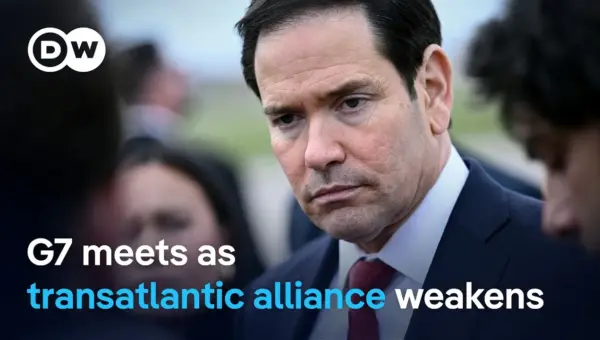
G7 Allies Clash Over Iran War Strategy, Urge Focus on Russia
G7 foreign ministers met in Paris, revealing deep divisions over the U.S. war with Iran. European allies urged the U.S. to pressure Russia, linking its actions to the conflict and fearing support for Ukraine will wane.


US Must Block China’s Tech Access for Security
US national security experts are raising alarms about China's access to advanced AI chips, arguing it threatens strategic advantages. This, coupled with charges against Chinese entities for fentanyl precursor sales and a ban on foreign routers, signals a growing effort to prioritize security over business ties.
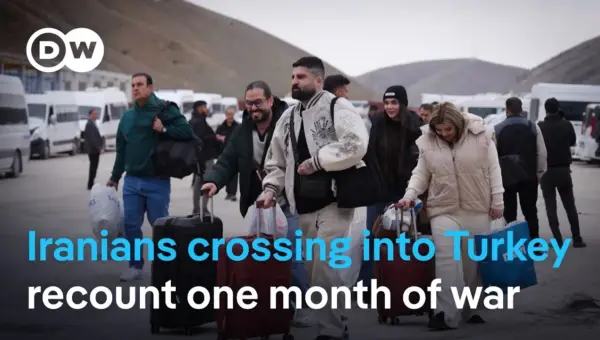
Iran War Exodus: Refugees Flee to Turkey Amidst Bombings
A train from Tehran brings refugees to Turkey, fleeing daily bombings and economic collapse. Many express deep fear for loved ones left behind, while some hold onto national pride and hope for victory. The conflict's impact is also felt economically in Turkey, with rising gas prices.