Scarborough Rips Hegseth on Media Coverage of Fallen Soldiers
Joe Scarborough and Mika Brzezinski sharply criticized Defense Secretary Pete Hegseth's remarks on media coverage of U.S. service members killed in a drone strike. They labeled his comments "childish" and indicative of unpreparedness for his role.

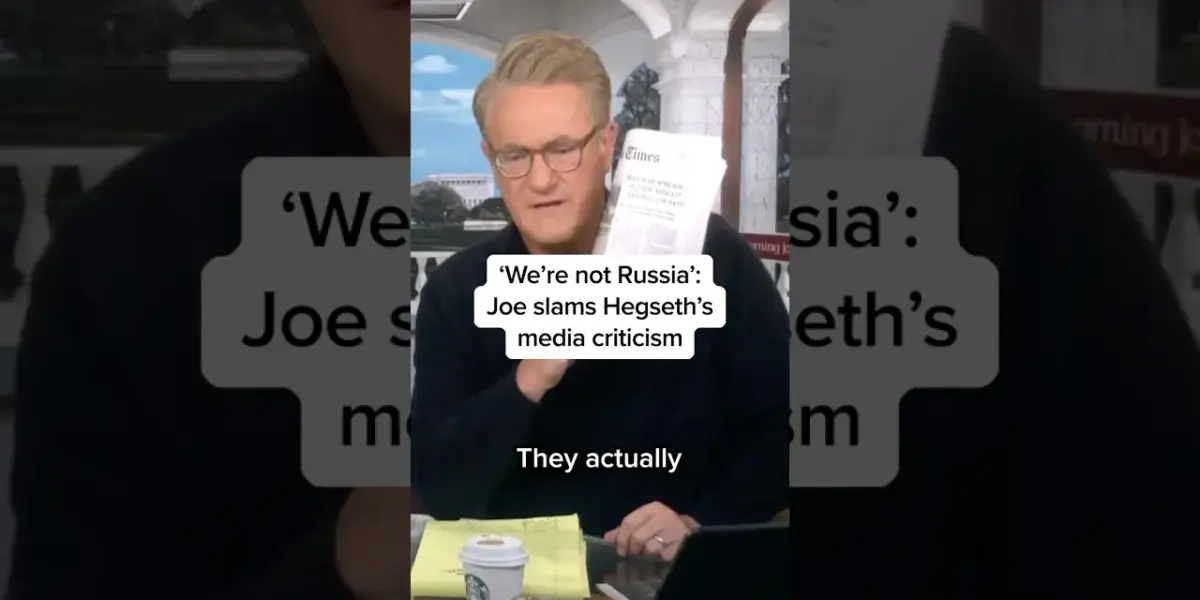
Morning Joe Hosts Criticize Defense Secretary’s Remarks
On Wednesday, Defense Secretary Pete Hegseth drew sharp criticism from Joe Scarborough and Mika Brzezinski, hosts of the MSNBC program ‘Morning Joe,’ regarding his commentary on media coverage of U.S. service members killed in a recent drone strike. The incident, which resulted in the deaths of six American personnel in Kuwait, was framed by Hegseth as part of Washington’s broader conflict with Tehran. However, Scarborough and Brzezinski characterized Hegseth’s remarks as “childish” and indicative of his unsuitability for the role of Defense Secretary.
Hegseth’s Stance on Media Reporting
The controversy stems from Hegseth’s apparent dissatisfaction with how media outlets reported on the fatalities. According to reports, Hegseth suggested that the media’s focus on these specific deaths contributed to a narrative that he found problematic, particularly in the context of the ongoing tensions between the United States and Iran. The implication from Hegseth’s comments, as interpreted by the ‘Morning Joe’ hosts, was that the media was mischaracterizing or sensationalizing the events, potentially undermining the administration’s messaging or strategic objectives.
“It was just so childish. This proves once again that Pete Hegseth is nowhere near prepared to be Secretary of Defense,” stated Joe Scarborough, reacting to Hegseth’s criticism of the media’s reporting on the fallen soldiers.
‘Morning Joe’ Hosts Decry ‘Childish’ Commentary
Joe Scarborough and Mika Brzezinski did not hold back in their assessment of Hegseth’s remarks. Scarborough explicitly labeled the commentary as “childish,” suggesting a lack of maturity and strategic understanding on Hegseth’s part. Brzezinski echoed this sentiment, emphasizing that Hegseth’s response to the media coverage demonstrated a fundamental unpreparedness for the responsibilities of the Defense Secretary position. Their critique highlighted a perceived disconnect between Hegseth’s public statements and the gravity of the situation, particularly concerning the respect and solemnity due to fallen service members and their families.
The hosts argued that reporting on the deaths of U.S. service members is a crucial function of the media, serving to inform the public and honor the sacrifices made by those in uniform. They suggested that Hegseth’s criticism implied a desire to control the narrative rather than acknowledge the public’s right to know and mourn. The exchange underscored a broader tension between government officials seeking to manage public perception and the media’s role in holding power accountable and reflecting the realities of conflict.
Context of U.S.-Iran Tensions
The drone strike in Kuwait occurred amidst a backdrop of heightened geopolitical tensions between the United States and Iran. These tensions have been exacerbated by a series of regional incidents, including attacks on shipping in the Persian Gulf and retaliatory strikes by the U.S. against Iranian-backed militias. The deaths of the six service members represent a significant escalation and a stark reminder of the human cost of these proxy conflicts and direct confrontations. Hegseth’s role as Defense Secretary places him at the forefront of managing these complex security challenges and communicating U.S. military policy and actions to both domestic and international audiences.
The criticism from ‘Morning Joe’ also touches upon the ongoing debate about the role of the media in wartime and the delicate balance between national security interests and transparency. While government officials often emphasize the need for careful messaging to avoid unintended consequences or to protect operational security, the media asserts its mandate to report freely on matters of public concern, including military casualties. Hegseth’s comments, in this light, can be seen as part of a larger struggle over information control in the digital age.
Broader Implications and Future Scrutiny
The exchange between Hegseth and the ‘Morning Joe’ hosts raises important questions about leadership within the Department of Defense and the administration’s approach to foreign policy communication. The critique suggests that Hegseth may face continued scrutiny regarding his public statements and his ability to navigate the complex relationship between the military, the media, and the public. His response to the media coverage of the Kuwait drone strike could set a precedent for how future incidents involving U.S. casualties are handled and communicated.
Moving forward, observers will be watching closely to see how Secretary Hegseth addresses public concerns and media inquiries, particularly in the sensitive area of military operations and casualties. The ‘Morning Joe’ commentary indicates that Hegseth’s tenure will likely be marked by rigorous examination of his public communication strategies and his preparedness for the multifaceted demands of his critical role. The incident serves as a reminder of the significant responsibility that rests on the shoulders of defense leaders to be both effective strategists and clear, empathetic communicators.
Source: ‘We’re not Russia': Joe slams Hegseth’s media criticism (YouTube)

Related Articles

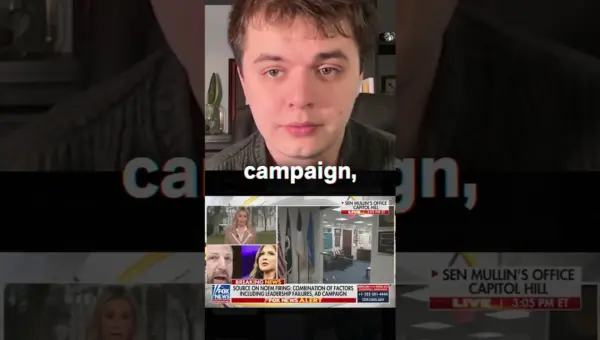
Fox News Turns on Noem: Leadership Failures Exposed
Fox News has delivered a pointed critique of South Dakota Governor Kristi Noem, dissecting her handling of controversies including the deaths of Renee Good and Alex Prey, a costly ad campaign, and allegations of an affair. This critical assessment from a traditional ally signals potential shifts in political support and highlights key leadership challenges.
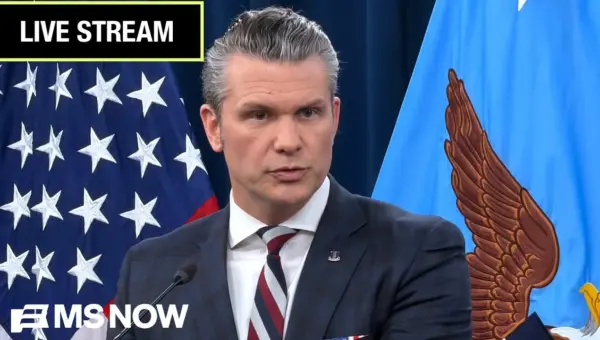
Hegseth Details U.S. Strikes Amid Escalating Middle East Tensions
U.S. Secretary of Defense Pete Hegseth provided an update from Central Command headquarters on recent U.S. strikes in Iran and ongoing military operations. The briefing emphasized the U.S. strategy of deterrence to counter regional aggression while seeking to avoid wider conflict.

Hegseth Tackles Cartel Threat at Inaugural Americas Conference
Secretary of Defense Pete Hegseth addressed the escalating threat of transnational criminal organizations at the inaugural Americas Counter Cartel Conference in Doral, Florida. The event emphasized the need for regional cooperation, adaptive strategies, and a multi-faceted approach to combatting cartel influence.