Scammers Exploit Trump’s Name for Quick Cash
A man scammed MAGA supporters out of $30,000 by pretending to be a devoted fan. This incident is one of many where individuals have exploited political loyalty for financial gain, often using deceptive tactics and sometimes even AI-generated content. The article explores several such cases, raising questions about the culture of scams and the role of public figures in fostering it.

Scammers Exploit Trump’s Name for Quick Cash
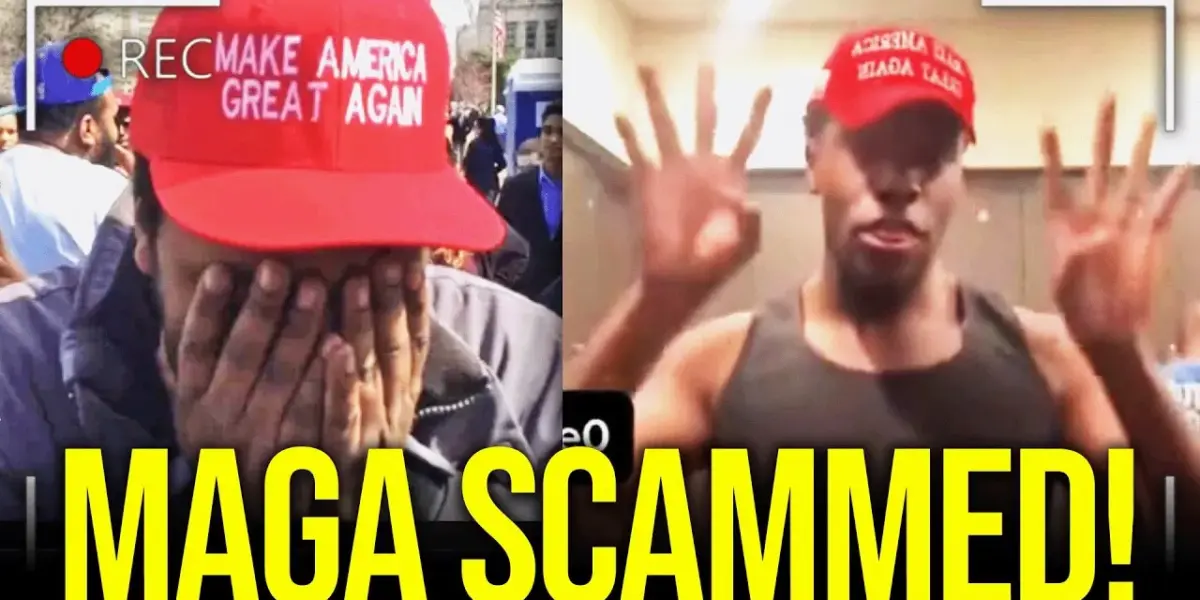
A recent story highlights a man who pretended to be a supporter of Donald Trump. He managed to collect about $30,000 in donations and online payments. However, it turned out he was not a Trump supporter at all. He had simply made the whole thing up to scam people who support the MAGA movement.
This isn’t the first time something like this has happened. It seems odd how often these types of scams are popping up lately. Let’s look at a few other examples to understand this trend better.
The Fake Army Influencer
One widely shared story involves an Instagram account that had over a million followers. This account featured a woman who was supposedly an army soldier. The photos used were not real; they were generated by AI. This account gained a lot of attention from a specific group: men aged 40 to 50 who are MAGA supporters.
These fans reportedly sent money to this fake influencer. They believed she was a real army soldier serving the country. Many comments on the posts were from MAGA supporters expressing thanks for her service or commenting on her appearance. The AI-generated photos were often bizarre, showing the fake influencer with things like flowers, but the comments suggested people were deeply invested.
The Deceptive College Fund Scam
Going back to 2018, a Black woman pretended to be a Trump supporter. She managed to raise over $100,000. She claimed her parents were refusing to pay for her education because of her political views. She used a deceptive tweet to get donations from Trump voters.
This person was not actually a Trump supporter and did not regret what she called an “ethical scam.” She successfully tricked MAGA supporters into paying for her college degree. This shows a pattern of people exploiting political loyalties for personal gain.
The Vanishing Charlie Kirk Fundraiser
Another incident involved a pro-MAGA website. This site claimed it would create a list of people who had spoken negatively about Charlie Kirk, a conservative influencer, after his death. They asked for donations to fund this project, saying it would take a lot of money and time.
The site raised tens of thousands of dollars in cryptocurrency from supporters. However, the website then vanished without ever providing the promised list. Many donors were infuriated, calling the group liars and scammers. Some people who were targeted by the supposed list also reported receiving threats and facing workplace complaints.
Trump’s Own Business Practices
Some argue that Donald Trump himself contributes to this culture of scams. His business dealings have often involved licensing his name to products and ventures. These include things like Trump Steaks, Trump University, Trump Vodka, and more recently, Trump NFTs and even a Trump phone.
The pattern often involves hyping a product, overcharging customers, under-delivering on the product or service, and then disappearing. A key tactic is that Trump often licenses his name but doesn’t directly run the business. This allows him to collect money upfront and distance himself when things go wrong, claiming he wasn’t really in charge.
The Trump Watch Scandal
A recent example involves collectible Trump watches. These watches were sold for prices ranging from $499 to $3,000. Many customers reported that their watches never arrived, their refund requests were ignored, and there was no customer service. Reviews on sites like Trustpilot showed a high percentage of one-star ratings.
Complaints were similar: long delays, fake tracking updates, and unanswered emails. Some people, even those overseas, never received their watches. While the ads claimed the watches were Swiss-made, the company behind them was traced back to a shopping center in Wyoming. This incident is seen as another example of supporters being disappointed by products associated with Trump.
The Trump Phone and Crypto
The “Trump phone” or “Trump mobile” is another case. People who bought the phone reported issues like fake customer service and a poor-quality device. The phone itself was released much later than expected, and many who signed up for plans experienced similar problems as with the watches.
Additionally, Trump-related cryptocurrencies have seen massive drops in value. One such crypto is reported to be down nearly 99% from its highest point. Critics argue that these ventures, like Trump’s memecoin, are fundamentally corrupt. They suggest that individuals can secretly send money to Trump or his associates, potentially expecting favors in return, which is seen as a form of political corruption.
Why This Matters
The repeated occurrence of these scams, especially those exploiting political loyalty, is concerning. It suggests a vulnerability within certain groups of supporters who are eager to show their allegiance. The use of AI and sophisticated online tactics makes it harder for people to distinguish between what is real and what is fake.
Furthermore, when public figures, particularly those in politics, are associated with questionable business practices or are accused of exploiting their supporters, it erodes trust. It can create a broader sense of cynicism about political and financial institutions. The normalization of such practices, even if not technically illegal, can have a corrosive effect on public integrity.
Implications and Future Outlook
The trend of scams targeting specific political groups highlights the power of online communities and the ease with which misinformation can spread. As technology advances, AI-generated content and deepfakes will likely become more sophisticated, making it even harder to spot fraudulent activities.
Looking ahead, there’s a need for greater media literacy and critical thinking skills among the public. Platforms also have a role to play in identifying and removing fraudulent accounts and content. The ongoing association of political figures with questionable ventures could lead to increased scrutiny and potentially new regulations aimed at protecting consumers and preventing corruption.
Source: Fake Trump Voter SCAMS ALL OF MAGA (YouTube)

Related Articles
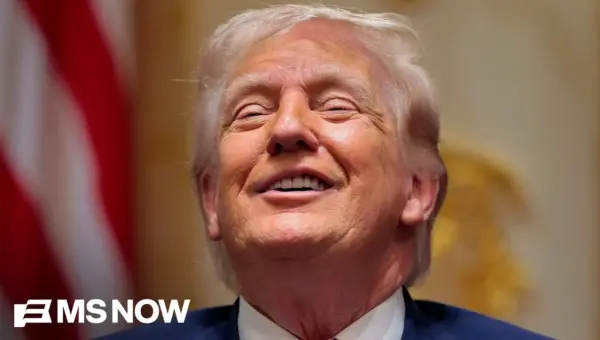
Trump’s Name Everywhere: A ‘Stain’ on GOP Legacy?
Former President Donald Trump's efforts to brand national symbols, including a proposed signature on dollar bills, spark debate. Critics view this as an authoritarian attempt to embed his legacy, potentially staining the Republican Party's history and contrasting with democratic ideals of public ownership.

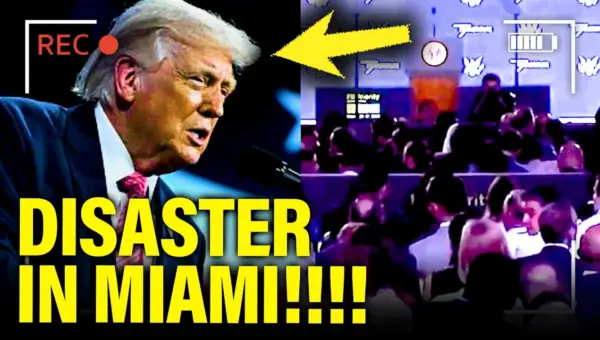
Trump’s War Talk Stuns Financial Crowd
Donald Trump's recent speech in Miami focused on his foreign policy, particularly his critical views on NATO and his vision for international relations. He declared the U.S. would no longer defend NATO allies, questioned the value of existing alliances, and suggested renaming the Strait of Hormuz. The speech also touched on his personal views of success, his allies, and his perceived role as a global peacemaker.
Trump’s Warpath: New Threats Signal Imperial Ambitions
Recent statements from Donald Trump reveal a potential embrace of increased military action and interventionist foreign policy. This approach, characterized by critics as "imperialism 2.0," contrasts with his past promises of peace and has even drawn criticism from parts of his own base. The implications for U.S. global engagement and domestic priorities are significant.