Saudi Prince Pushes Trump Toward Iran War Escalation
Saudi Crown Prince Mohammed bin Salman is reportedly urging President Trump to escalate attacks on Iran, pushing for strikes on its energy infrastructure. This strategy would likely harm ordinary Iranians while benefiting Saudi economic interests and the U.S. military-industrial complex. The situation highlights concerns over foreign influence on U.S. foreign policy and the human cost of conflict.

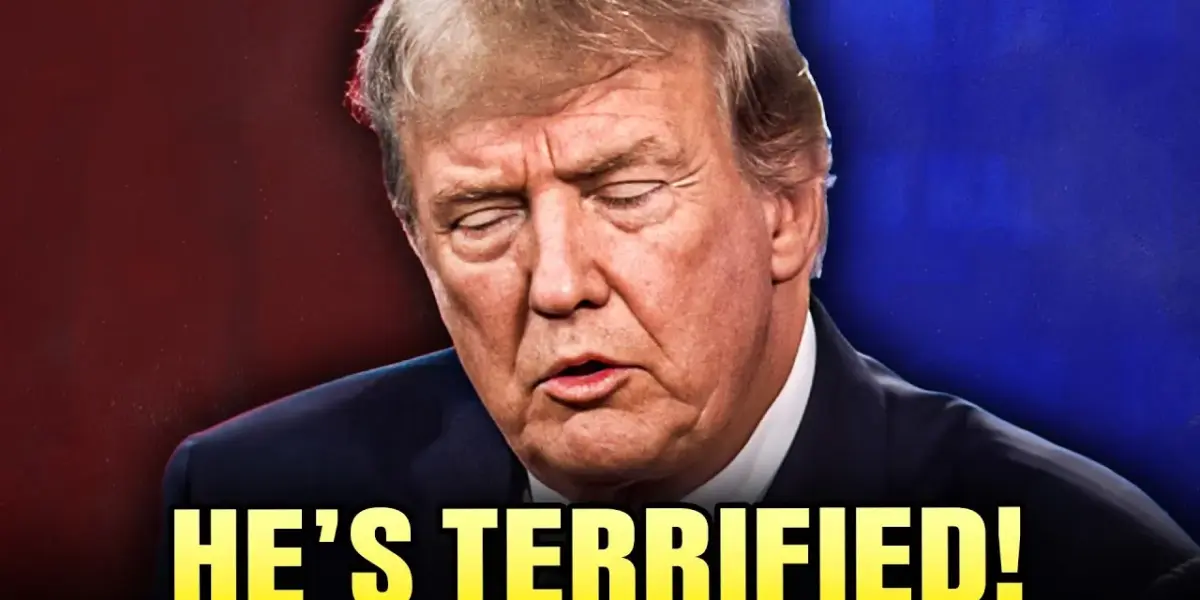
Saudi Prince Pushes Trump Toward Iran War Escalation
Reports suggest Saudi Arabia’s Crown Prince Mohammed bin Salman is pushing President Donald Trump to continue military actions against Iran. This comes even as Trump has sent mixed signals about ending operations, stating they are both finished and not finished. While Trump claims Iran has been “eradicated,” officials admit goals remain unclear and unaccomplished.
The Crown Prince reportedly told Trump that Iran’s government is a long-term danger to the region. He believes it “must be eliminated” before the current military operation, dubbed “Epic Fury,” concludes. These conversations, detailed by American officials speaking to The New York Times, show Prince Mohammed arguing against winding down the conflict.
Attacking Energy Infrastructure Hurts Ordinary Iranians
Prince Mohammed has specifically urged attacks on Iran’s energy infrastructure. The goal is to weaken the government. However, such actions would primarily harm the Iranian people, not just its leaders. The vast majority suffering from current attacks are ordinary citizens.
Saudi Arabia clearly wants Iran’s oil, which is central to its own power. The transcript suggests Saudi leaders show little concern for civilian casualties. It paints a picture of a regime willing to cause death and destruction to maintain an oil monopoly that is slipping away.
The people of Iran will suffer. Just like with the attacks that Donald Trump has launched against Iran, the majority, vast majority of the people suffering from it are the citizens, the people.
The strategy, as described, seems to involve damaging Iran’s energy sector. This could then allow the U.S. and its allies to rebuild and control that infrastructure. The implication is a plan to gain economic and political dominance through military action.
Trump’s Susceptibility and the Military-Industrial Complex
The transcript portrays President Trump as easily influenced. It suggests he is “stupid enough and impressionable enough to keep doing it,” comparing his mentality to that of a toddler. This perceived weakness makes him vulnerable to the Crown Prince’s pressure.
This cycle benefits the military-industrial complex. Saudi Arabia’s continued large weapons purchases from the U.S. keep these companies profitable. The profits then fund politicians who support Trump’s expanded war powers, preventing any checks on his actions.
This creates a self-perpetuating system. It ensures continued conflict and economic gain for powerful interests, while ordinary citizens bear the brunt of the consequences. The people who have no say in these decisions suffer the most.
Why This Matters
The influence of foreign powers, particularly Saudi Arabia, on U.S. foreign policy decisions is a critical issue. This situation highlights how personal relationships and economic interests can drive potentially devastating military actions. The focus on harming civilian populations through attacks on infrastructure raises serious ethical and humanitarian concerns.
Historical Context and Background
U.S.-Saudi relations have long been complex, balancing strategic interests with human rights concerns. Saudi Arabia is a major oil producer and a key U.S. ally in the Middle East. However, its internal policies and regional actions, including its involvement in the Yemen conflict, have drawn significant international criticism.
Tensions between the U.S. and Iran have been high for decades. Following the 1979 revolution, Iran became a major adversary for the United States. Recent years have seen escalations under various administrations, including targeted sanctions and military confrontations.
Implications, Trends, and Future Outlook
If Saudi Arabia continues to exert significant influence over U.S. military actions in the region, it could lead to further instability. The potential for escalating conflict with Iran poses a serious threat to global security and the world economy, particularly given Iran’s importance in oil markets.
The reliance on military solutions and the benefits to the defense industry suggest a trend where war becomes a profitable enterprise. This dynamic can make de-escalation difficult, as powerful stakeholders have an interest in continued conflict. Future outlooks suggest a continued struggle to balance U.S. strategic interests with humanitarian values and the pursuit of peace.
Source: Weak Trump Getting BULLIED Into Iran War Escalation (YouTube)

Related Articles
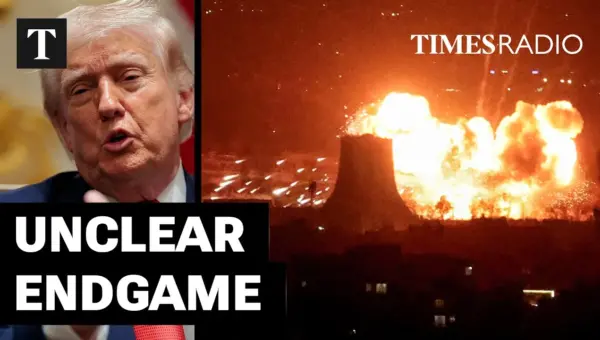
US Military Aims Achievable, Iran Political Future ‘Fuzzy,’ Says Ex-Advisor
Former Trump advisor Joel Rayburn stated that while US military objectives in Iran are achievable, the political outcome remains uncertain. Rayburn noted that Iran's regime is under immense pressure and could be nearing collapse. The potential closure of the Strait of Hormuz remains a key concern, with military assets being deployed to ensure its openness.

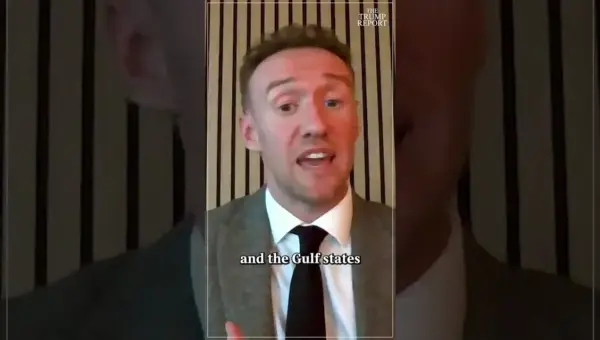
Trump’s Iran Gambit: Can He Claim Victory in a Full Retreat?
Could President Trump claim a victory by withdrawing U.S. forces from Iran? This analysis explores how a retreat could be framed as a success, focusing on weakened Iranian capabilities and broader regional shifts. The core issue remains Iran's financing of proxy groups, a challenge that persists regardless of U.S. presence.

Polls Reveal Deep Voter Concerns Over War, Economy for Trump
Recent polls and political analysis suggest President Trump faces significant challenges due to voter concerns about the prolonged conflict in Iran and the struggling economy. Republicans are growing anxious as these issues impact the president's standing, while Democrats see an opportunity to present themselves as a more stable alternative.