Saudi Arabia Pushes US for Iran War, Report Claims
Saudi Arabia's Crown Prince Mohammed bin Salman has reportedly urged the US to escalate military action against Iran, viewing it as an opportunity to reshape the Middle East. While Saudi officials deny the report, the push comes amid increased Iranian attacks on Saudi oil infrastructure. Experts suggest a complex dynamic where Saudi Arabia seeks US intervention while also managing the risks of regional instability.

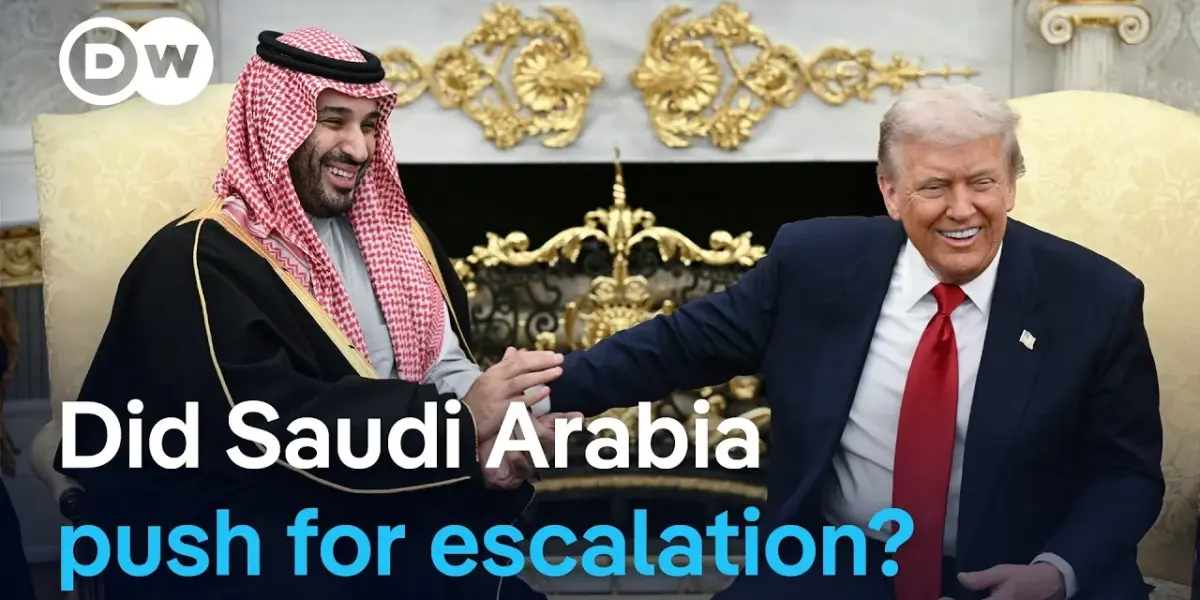
Saudi Arabia Urges US to Escalate Conflict with Iran
Crown Prince Mohammed bin Salman of Saudi Arabia has reportedly asked the United States to continue military action against Iran. This push comes as Saudi Arabia faces increased attacks on its oil facilities. The New York Times reported this information, citing sources familiar with discussions involving US officials.
Historic Opportunity to Reshape the Middle East
According to the report, Prince Mohammed believes a US-led military campaign against Iran presents a unique chance to change the Middle East. He reportedly argued that Iran’s government should be pressured toward collapse. However, Saudi officials have denied these claims. They state that the kingdom supports peaceful solutions and is focused on defending itself against Iranian aggression.
Deep-Rooted Rivalry Fuels Conflict
The tension between Saudi Arabia and Iran is long-standing. The two nations have been rivals since the 1979 Iranian Revolution. This history explains Saudi Arabia’s strong stance. Even in 2008, reports suggested a former Saudi King urged the US to confront Iran directly. Despite a recent agreement to improve ties brokered by China, the underlying conflict remains.
“Rent a Superpower” Strategy
Dr. Marzad Buruji, a scholar of Iranian politics, explained Saudi Arabia’s motivation. He described it as a “rent a superpower” strategy. This means Saudi Arabia wants the US to handle the difficult military actions. This approach is partly driven by recent Iranian drone attacks on Saudi infrastructure. A major missile attack in 2019 caused significant damage to Saudi oil facilities, highlighting the risks of ongoing conflict.
MBS’s Vision for a New Regional Order
If Prince Mohammed sees this as a historic opportunity, his vision for the Middle East likely involves reduced Iranian influence. Iran has historically tried to undermine Saudi policies in neighboring countries like Iraq, Lebanon, and Yemen. Removing this rival would allow Saudi Arabia to increase its own regional power and stability.
Concerns Over a Failed Iranian State
While Saudi Arabia may want to see Iran weakened, the idea of Iran collapsing into a failed state is also concerning. Dr. Buruji noted that a destabilized Iran with 92 million people could lead to a massive refugee crisis. This instability could also create political chaos. Furthermore, Iran could potentially stir up trouble among Saudi Arabia’s own Shiite population in the eastern part of the country. Such chaos could also undo Saudi gains in places like Syria and Iraq.
Israel’s Different Perspective
Israel’s view on a potential Iranian collapse differs from Saudi Arabia’s. Being geographically farther from Iran, Israel might see a failed state as a positive outcome. Iran is viewed as a significant threat by Israel. For Saudi Arabia, however, the proximity and potential for widespread instability make a collapsed Iran a worrisome prospect. The disruption could also impact vital oil shipping routes through the Persian Gulf, affecting Saudi Arabia’s economy.
The “Rent a Monarch” Dynamic
The relationship between Saudi Arabia and the US is complex. While Saudi Arabia may be encouraging US military action, there’s also a dynamic where the US might benefit from Saudi financial support. President Trump has referred to Prince Mohammed as a “warrior” fighting alongside the US. This suggests a reciprocal relationship, where Saudi Arabia uses its financial resources, such as large arms purchases and funding projects, to influence US policy.
Shifting US Security Guarantees
Many Persian Gulf states, including Saudi Arabia, have relied on the US military for protection. However, recent events have raised questions about the reliability of this security umbrella. The ongoing conflict has already affected 14 countries in the region. This raises concerns for these smaller nations about their long-term security, as they have few alternative allies besides the United States.
Saudi Direct Involvement Unlikely, For Now
Despite the tensions, Dr. Buruji believes Saudi Arabia is unlikely to get directly involved in a large-scale conflict at this moment. The prospect of Houthi rebels in Yemen joining the fight is a significant worry for them. If the conflict ends quickly, Saudi Arabia would be left to manage the long-term challenge of Iran independently. They must consider how to secure their future for years to come.
Source: Report: Saudi Arabia urges US to press on with the Iran war | DW News (YouTube)

Related Articles
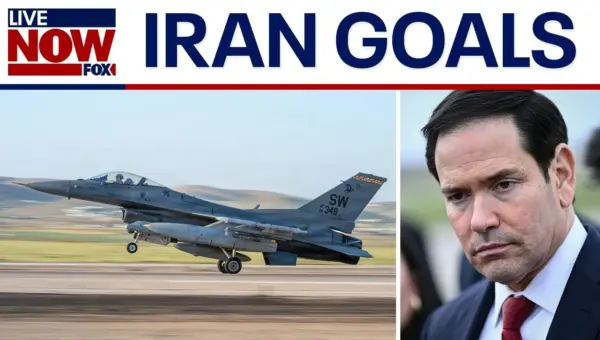
Rubio: US Can Achieve Iran War Goals Without Troops
Senator Marco Rubio outlined a strategy to counter Iran without deploying U.S. ground troops, focusing on weakening the regime and enhancing maritime security. He also criticized Cuba's economic system and expressed concerns about West Bank violence.


Israelis Forge Resilience Amidst Constant Bomb Shelter Drills
Life in Israel is a blend of resilience and constant vigilance, with many families adapting to frequent bomb shelter drills and even sleeping in makeshift shelters. Despite ongoing missile attacks, Israelis strive to maintain normalcy, though businesses face disruption and emotional fatigue is a growing concern.

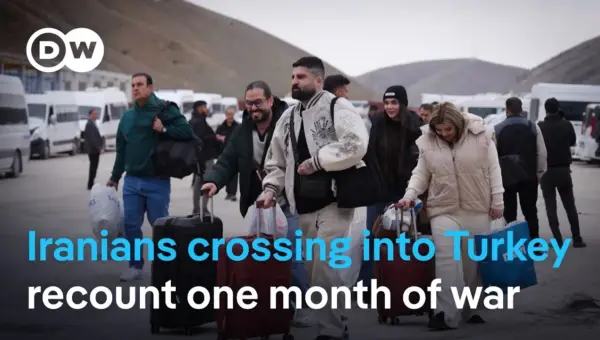
Iran War Exodus: Refugees Flee to Turkey Amidst Bombings
A train from Tehran brings refugees to Turkey, fleeing daily bombings and economic collapse. Many express deep fear for loved ones left behind, while some hold onto national pride and hope for victory. The conflict's impact is also felt economically in Turkey, with rising gas prices.