Sanders Demands Rich Pay Fair Share Amidst Protests
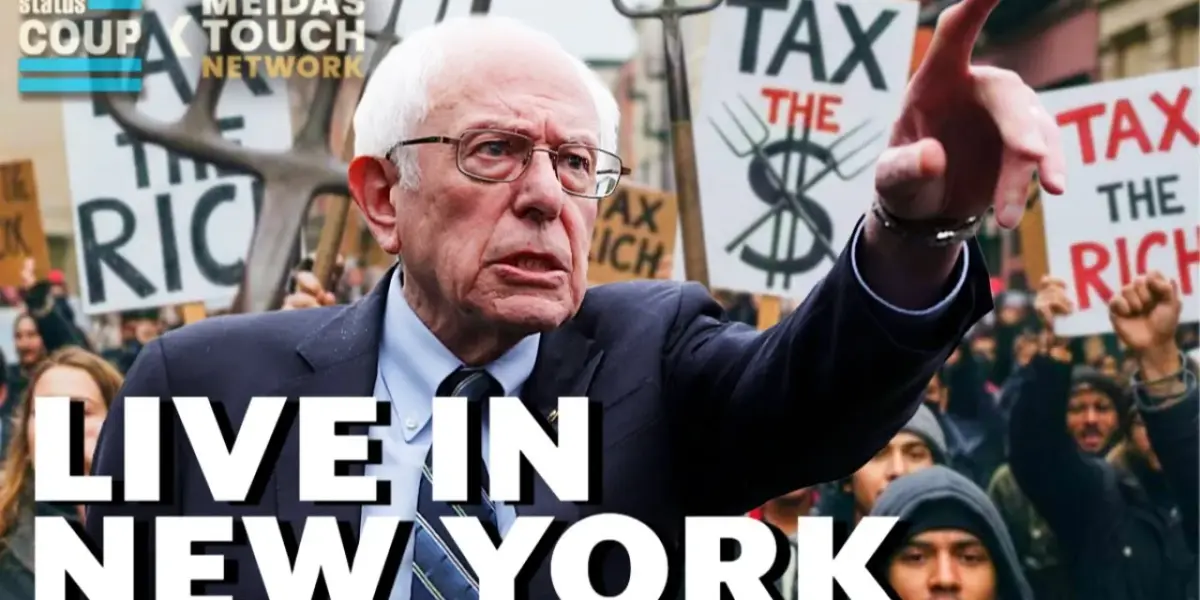
Senator Bernie Sanders rallied in New York City, calling for higher taxes on the wealthy. The event, covered by Status Coup, highlighted public frustration with economic inequality. The movement demands a fairer tax system to fund essential services and address the wealth gap.

Sanders Demands Rich Pay Fair Share Amidst Protests
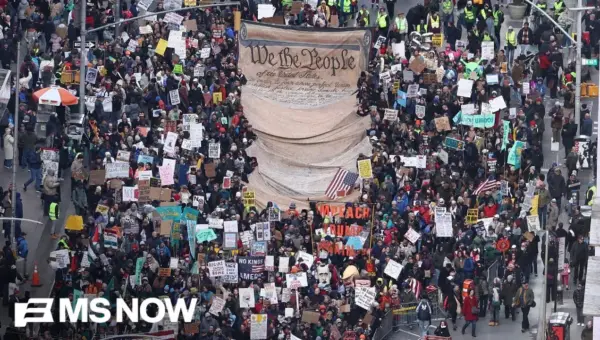
Senator Bernie Sanders recently joined a rally in New York City, calling for the wealthy to pay their fair share in taxes. This event followed protests known as ‘No Kings Day,’ highlighting growing public frustration with economic inequality. The rally, covered by independent news outlet Status Coup, aimed to bring attention to the vast wealth gap in the United States.
Reporter Jon Farina was on the ground, speaking with attendees to understand their reasons for joining the protest. The core message echoed by many was a desire for a more equitable system where the wealthiest individuals and corporations contribute more to society. This sentiment reflects a broader national conversation about income disparity and the role of taxation in addressing it.
The Call for Fair Taxation
Bernie Sanders has long been a vocal advocate for progressive taxation. His message at the rally reinforced his long-standing position: that those who have benefited most from the economic system should contribute more to its upkeep. He argues that higher taxes on the rich and corporations can fund essential public services like healthcare, education, and infrastructure.
The rally’s organizers and participants believe that current tax laws favor the wealthy, allowing many billionaires and large companies to pay a lower effective tax rate than middle-class families. They see this as a matter of fairness and economic justice. The demand is not necessarily for extreme wealth confiscation, but for a system where tax burdens are more balanced according to ability to pay.
Context of Inequality
The ‘Tax the Rich’ movement is not new, but it has gained significant momentum in recent years. Economic data consistently shows that while corporate profits and individual wealth at the top have soared, wages for many working Americans have stagnated. This widening gap fuels public anger and calls for policy changes.
Historically, the United States has seen periods of high top marginal tax rates, particularly in the mid-20th century. Proponents of higher taxes on the wealthy often point to these periods as evidence that such policies can coexist with economic growth. However, opponents argue that high taxes can stifle investment and lead to job losses.
Voices from the Ground
Status Coup’s reporting provided a platform for the voices of ordinary citizens attending the rally. Many expressed feeling left behind by an economy that seems to reward those at the very top disproportionately. Their concerns ranged from the rising cost of living to the perceived lack of investment in social programs that could benefit the broader population.
The protesters viewed the rally as a way to make their voices heard by lawmakers and the public. They emphasized that their demands are rooted in a desire for a society that works for everyone, not just a select few. The energy at the rally suggested a deep well of public sentiment that political leaders are increasingly being called upon to address.
Why This Matters
The ‘Tax the Rich’ rallies and the political advocacy around them are significant because they tap into a fundamental debate about economic fairness and the structure of American capitalism. The sheer number of people willing to gather and demand change indicates a widespread feeling that the current economic system is not working for everyone.
These movements can influence public opinion and put pressure on politicians to consider policies that aim to redistribute wealth or increase taxes on corporations and high earners. The debate over taxation is central to discussions about social programs, national debt, and economic opportunity. How societies choose to tax their wealthiest citizens has direct consequences for public services and the overall health of the economy.
Implications and Future Outlook
The ongoing push for higher taxes on the wealthy suggests a potential shift in political priorities. If successful, such policies could lead to increased government revenue, which might then be directed towards social safety nets, infrastructure projects, or climate initiatives. This could, in turn, help to reduce income inequality and improve living standards for many.
However, the path forward is complex. Debates about tax policy often involve powerful lobbying efforts from wealthy individuals and corporations. Furthermore, there are differing economic theories on the best way to foster prosperity. Some economists argue that lower taxes and deregulation are more effective at creating jobs and wealth, while others maintain that progressive taxation and robust social programs are key to a stable and equitable economy. The conversation is likely to continue, shaped by economic conditions, public sentiment, and political will.
Status Coup is the leading INDEPENDENT ON-THE-GROUND reporting outlet in America that covers what the corporate media COVERS UP. We are FUNDED BY THE PEOPLE FOR THE PEOPLE—and need your support to help us stay ON-THE-GROUND.
Source: LIVE Bernie Sanders TAX THE RICH Rally in NYC (YouTube)

Related Articles
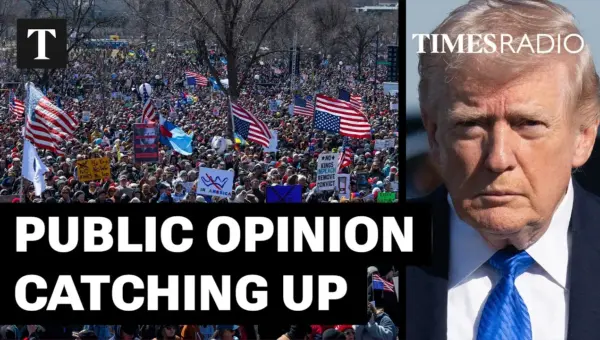
US Public Opinion May Soon Clash With Trump’s Iran War Stance
Tens of thousands protested nationwide against the Trump administration's military actions, particularly concerning Iran. While public opinion largely opposes the war, the administration is proceeding without broad consent, leading to potential clashes. Economic concerns and shifting global alliances add further complexity to the escalating conflict.

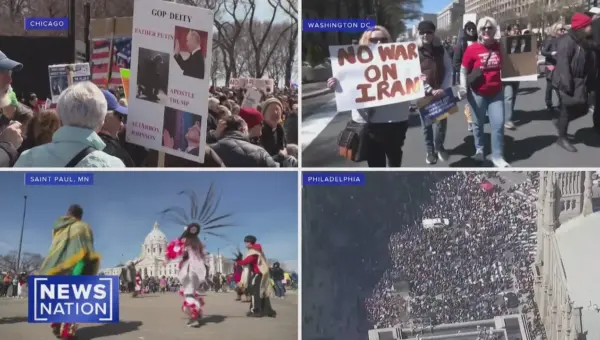
US Protests Challenge Trump’s Power
Tens of thousands protested across the US and globally in 'No Kings' rallies, challenging President Trump's policies. Issues ranged from ICE to foreign wars, with calls for government accountability.
Millions Protest ‘King-Like’ Power Grabs, Defend Democracy
Millions participated in nationwide 'No Kings' protests against perceived power grabs and disregard for constitutional rights. Organizers reported over 8 million people turned out, aiming to stop actions seen as king-like and a threat to democracy. Legal groups are actively challenging administration actions in court.