Sanctions Against Russia: A Critical Assessment Reveals Shortcomings and Untapped Potential
Despite extensive sanctions against Russia, a critical assessment suggests these measures are "definitely falling short," particularly due to the continued trade with countries like India, China, and Turkey. While actions against Rosneft and Lukoil are deemed strong, the lack of broader enforcement allows Russia to mitigate impact, highlighting the complex geopolitical challenges and the need for intensified, unified global pressure.

Sanctions Against Russia: A Critical Assessment Reveals Shortcomings and Untapped Potential
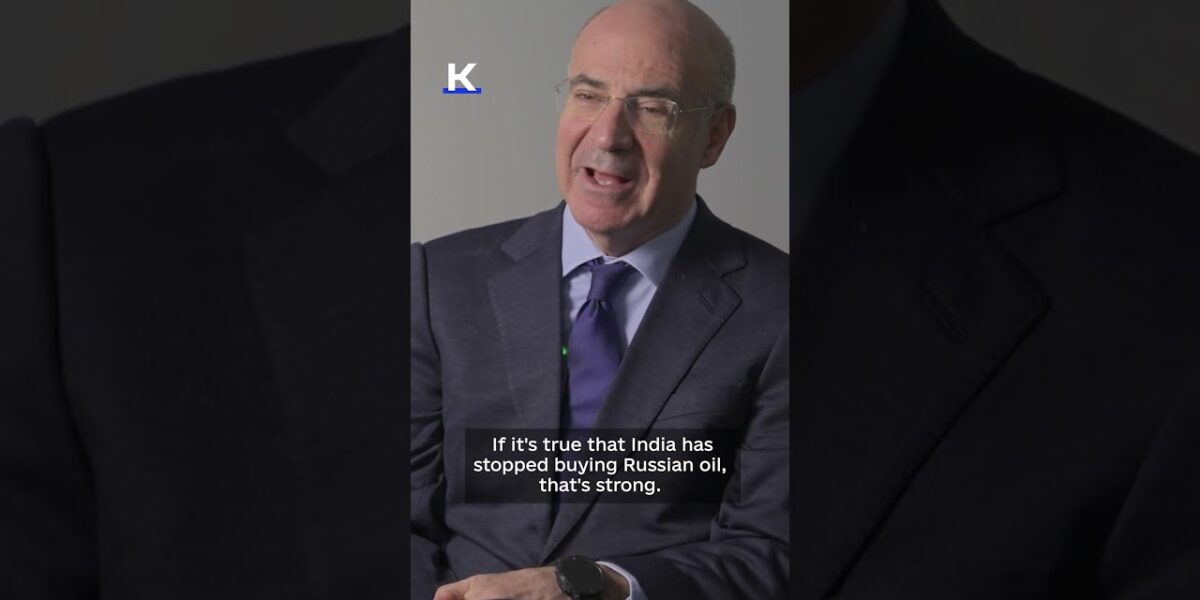
The global effort to exert economic pressure on Russia following its full-scale invasion of Ukraine in February 2022 has been unprecedented in scale and scope. Yet, despite a barrage of sanctions from Western nations, a prominent voice in international finance and a staunch critic of the Kremlin has offered a sobering assessment: these measures are “definitely falling short.” While acknowledging the strength of specific actions taken against Russian energy giants like Rosneft and Lukoil, the expert underscores the critical need for broader, more aggressive enforcement, particularly targeting key facilitators such as China and Turkey, and expresses skepticism regarding India’s claimed reduction in Russian oil purchases. This perspective highlights the complex, often frustrating, reality of economic warfare and the formidable challenges in compelling a determined adversary like Russia to change course.
The Efficacy of Sanctions: A Mixed Report Card
Economic sanctions, historically employed as a tool of foreign policy, aim to achieve various objectives: deterring aggression, compelling behavioral change, or weakening an adversary’s capacity to act. The arsenal deployed against Russia has been comprehensive, targeting its financial sector, energy exports, defense industry, and elite individuals. Measures include freezing central bank assets, disconnecting key banks from SWIFT, imposing price caps on oil, and restricting access to critical technologies.
The speaker’s assertion that sanctions are “definitely falling short” resonates with a growing body of analysis suggesting that while Russia’s economy has undoubtedly been impacted, it has also demonstrated a surprising degree of resilience and adaptability. Initial predictions of economic collapse have not materialized, prompting questions about the design, implementation, and enforcement of the sanctions regime.
Targeting Russia’s Economic Pillars
Despite the overall critique, the expert singles out sanctions against Rosneft and Lukoil as “strong” actions. These two companies are titans of Russia’s oil and gas sector, which remains the lifeblood of the country’s economy and a primary source of funding for its military apparatus. Rosneft, majority-owned by the Russian government, is one of the world’s largest publicly traded oil companies by production volume, playing a crucial role in global energy markets. Lukoil, a privately owned but deeply integrated player, also holds significant sway. Targeting such entities directly aims to diminish Russia’s revenue streams and its capacity to sustain the war effort.
The imposition of sanctions on these energy giants typically involves restrictions on their access to Western financial markets, technology, and services, as well as limitations on their ability to sell oil to certain markets or at certain prices. Such measures are intended to raise their operating costs, reduce their profits, and complicate their logistics, thereby creating a tangible economic squeeze on the Kremlin. The speaker’s approval of these specific actions suggests an understanding that cutting off Russia’s energy revenues is paramount to the long-term effectiveness of sanctions.
The Loopholes and the Lifelines: India’s Role in Russian Oil Trade
A significant point of contention and a primary reason for the perceived shortfall in sanctions effectiveness is the continued flow of Russian oil to non-Western markets. The speaker explicitly states, “I don’t believe that India has stopped buying Russian oil.” This skepticism highlights a critical vulnerability in the sanctions regime. Following Western sanctions and a price cap on Russian crude, Moscow began offering significant discounts, which were eagerly snapped up by countries like India and China.
India, a rapidly growing economy with immense energy needs, has become one of the largest purchasers of Russian crude since the invasion. Prior to 2022, Russian oil constituted a negligible portion of India’s imports. However, in the wake of the war, India dramatically ramped up its purchases, taking advantage of discounted prices and filling the void left by European buyers. This trade has provided a crucial financial lifeline to Russia, allowing it to reroute its energy exports and mitigate the impact of Western restrictions.
A Geopolitical Tightrope Walk
India’s stance is rooted in a complex geopolitical calculus. As the world’s most populous nation, India prioritizes its energy security and economic growth. Its long-standing strategic relationship with Russia, particularly in defense procurement, also plays a significant role. India views its energy purchases as a pragmatic decision to secure affordable resources for its citizens and industries, rather than an endorsement of Russia’s actions in Ukraine. Furthermore, India has historically maintained a policy of strategic autonomy, resisting pressure to align completely with any single bloc.
The challenge for sanctioning nations lies in balancing the desire to isolate Russia with the need to maintain relationships with crucial global partners like India. Imposing secondary sanctions on countries that continue to trade with Russia carries significant diplomatic and economic risks, potentially alienating allies and disrupting global supply chains. This delicate balancing act contributes to the “falling short” assessment, as the full potential of economic pressure is constrained by broader geopolitical considerations.
The Untapped Potential: China, Turkey, and the Global Sanctions Landscape
The speaker’s most pointed criticism and recommendation for strengthening sanctions revolve around the need to “go after China” and “go after Turkey.” This highlights the consensus among many analysts that as long as major economies continue to facilitate Russian trade, the sanctions regime will remain porous.
China’s “No-Limits” Partnership
China’s role is undeniably pivotal. Months before the full-scale invasion, Beijing and Moscow declared a “no-limits” partnership, signaling a deepening strategic alignment. Since then, China has become Russia’s largest trading partner, absorbing significant volumes of Russian oil and gas, and providing critical goods and technologies that Russia can no longer acquire from Western sources. While China has largely avoided direct violations of Western sanctions that would trigger secondary penalties, its expanded trade with Russia and its strategic support have been instrumental in helping Moscow circumvent the intended isolation.
Targeting China with sanctions would be a monumental undertaking, carrying immense economic consequences for the global economy. China is the world’s second-largest economy and an indispensable link in global supply chains. Any attempt to “go after China” would require a level of international consensus and political will that has, thus far, proven elusive. However, the expert’s call underscores the belief that without addressing China’s enabling role, the effectiveness of sanctions against Russia will always be limited.
Turkey’s Pragmatic Balancing Act
Turkey, a NATO member, presents another complex challenge. While condemning the invasion and providing military assistance to Ukraine, Ankara has also maintained robust economic ties with Moscow, refusing to join Western sanctions. Turkey has benefited from discounted Russian energy, seen an influx of Russian capital, and played a role in facilitating trade that helps Russia bypass sanctions. Its strategic location and its willingness to engage with both sides have allowed it to position itself as a mediator, albeit one whose economic decisions have drawn scrutiny from Western allies.
Sanctioning Turkey would be diplomatically fraught, potentially destabilizing NATO’s southeastern flank and complicating efforts to manage regional conflicts. However, like China, Turkey’s continued economic engagement with Russia is seen by critics as a significant leak in the sanctions dam, diminishing the overall pressure on the Kremlin.
Assessing the Impact: Russian Resilience vs. Western Pressure
Despite the perceived shortcomings, the sanctions are “not nothing.” The speaker notes that “it clearly irritates the Russians,” citing Russian Foreign Minister Sergey Lavrov’s complaints as evidence. This observation is crucial: even if sanctions haven’t crippled Russia’s war machine or forced a retreat, they have undeniably imposed costs and created significant logistical and economic hurdles. Russia has faced challenges in importing advanced technologies, spare parts, and consumer goods, leading to domestic inflation, disruptions in various sectors, and a reliance on less efficient alternative markets.
The Russian government has responded by implementing capital controls, boosting domestic production, and forging stronger economic ties with non-Western partners. This adaptation has allowed Russia to reorient its economy, but at a cost. The long-term implications of this forced reorientation, including brain drain, reduced access to innovation, and a diminished standard of living, are still unfolding. Lavrov’s public complaints, while perhaps intended for a domestic audience to rally support, also betray a genuine frustration with the constraints imposed by Western measures.
The Political Will Imperative: Leadership and the Future of Sanctions
The speaker’s critique extends to the political leadership, remarking that a certain leader (implied to be former President Trump) “likes to think of himself as like, you know, the king of the jungle, but he’s been kind of weak on this front. Putin has humiliated him and he’s not done anything about it.” This direct challenge to the perceived strength of political will highlights a crucial factor in the effectiveness of sanctions: consistent, determined, and unified leadership.
Implementing and enforcing a robust sanctions regime requires sustained political commitment, a willingness to absorb potential economic blowback, and the diplomatic skill to maintain a broad international coalition. The perception of “weakness” or inconsistency from key global leaders can embolden adversaries and undermine the collective impact of sanctions. The challenges of navigating domestic political pressures, economic interests of allied nations, and the complexities of international trade make maintaining a strong, unified front exceptionally difficult.
The call for stronger action against China and Turkey, while strategically sound from a sanctions perspective, also underscores the immense political and diplomatic hurdles involved. Such moves would require a significant escalation of economic warfare, potentially leading to widespread global economic disruption and a further fracturing of the international order. The debate over sanctions, therefore, is not merely an economic one; it is deeply intertwined with questions of global leadership, alliance management, and the future of international relations.
Broader Implications: Reshaping Global Commerce and Diplomacy
The ongoing sanctions regime against Russia, and the debate over its effectiveness, carries profound implications for global commerce and diplomacy. It has accelerated the trend towards de-dollarization in certain regions, as countries seek alternatives to a financial system that can be weaponized. It has also highlighted the emergence of a more fragmented global economy, with distinct blocs forming around geopolitical alignments.
The experience with Russia demonstrates that while sanctions can inflict pain and disrupt economies, they rarely achieve their objectives quickly or completely, especially against large, resource-rich nations with alternative trading partners. Their success often depends on a combination of factors: the target country’s economic vulnerability, the breadth and depth of international cooperation, and the political will of the sanctioning powers to absorb potential costs.
Moreover, the use of sanctions as a primary tool of foreign policy raises questions about their long-term efficacy and unintended consequences. While they serve as a crucial lever of non-military pressure, their limitations necessitate a broader strategy that includes diplomatic engagement, military support, and efforts to strengthen democratic institutions globally.
Conclusion: The Imperative for Comprehensive and Concerted Action
The critical assessment that sanctions against Russia are “definitely falling short” serves as a stark reminder of the complexities inherent in economic statecraft. While specific measures targeting Russia’s energy sector have been strong, their overall impact is diluted by significant loopholes and the continued economic engagement of major global players like India, China, and Turkey. The frustration expressed by Russian officials like Sergey Lavrov indicates that the sanctions are indeed causing irritation and imposing costs, but these have not yet translated into a decisive shift in Moscow’s war policy.
To move beyond merely “irritating” the Russians and to achieve the ultimate goal of compelling a cessation of hostilities, a more comprehensive and concerted approach is required. This would entail not only tightening existing enforcement mechanisms and addressing circumvention tactics but also confronting the difficult political and economic challenges of extending pressure to key enablers. The path forward demands unwavering political will, robust international coordination, and a clear-eyed understanding that economic warfare, while powerful, is a long game with profound global repercussions.
Source: Putin would starve Russians before ending war, Browder says (YouTube)

Related Articles

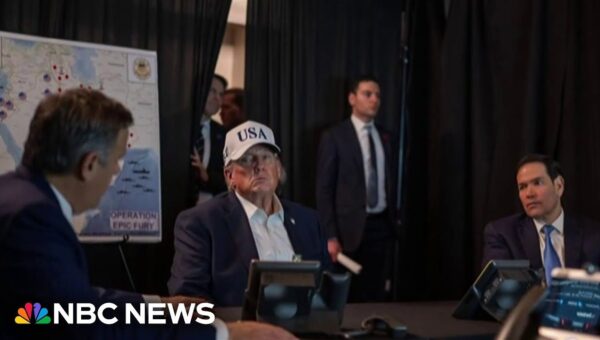
Trump: Iran Strikes Ahead of Schedule, Expects ‘Great Deal for World’
Three U.S. service members have been killed amid escalating conflict with Iran, President Trump confirmed. He stated that strikes are ahead of schedule, with senior Iranian leaders killed, and expressed optimism for a "great deal for the world" despite ongoing talks with Iranian officials.
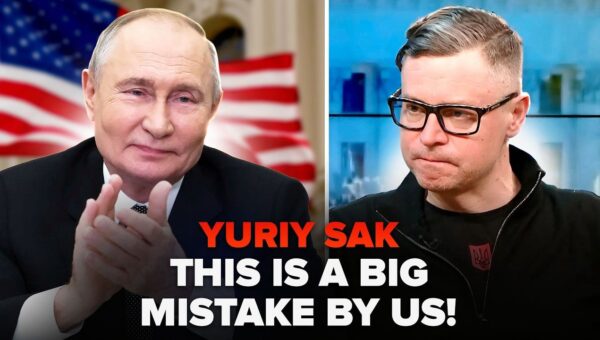
Trump’s Putin Stance: US Strategy and Global Implications
Analysis suggests Donald Trump's approach to the Ukraine war involves pressuring Kyiv, but US involvement is crucial for resolution. China's influence and the 'MAGA' agenda's geopolitical implications are key factors.


US Strikes Iran: Mounk and Fukuyama Discuss Unpredictable Conflict
Leading political scientists Yascha Mounk and Francis Fukuyama analyze the recent US strikes on Iran, warning of unpredictable outcomes and internal instability. They question the objectives of the "war of choice" and its potential to destabilize the region, while also discussing the shifting global perceptions of Israel.