San Francisco’s ‘Cartel Alley’ Exposes Progressive Policy Failures
San Francisco's Tenderloin district, known as 'Cartel Alley,' faces a severe crisis fueled by rampant drug use, crime, and homelessness. The report links these issues to a lack of law enforcement and progressive policies like Proposition 47, which critics argue have weakened the justice system. City welfare payments are also cited as a factor drawing addicts, creating a cycle of despair and crime that has driven businesses away.

San Francisco’s ‘Cartel Alley’ Exposes Progressive Policy Failures
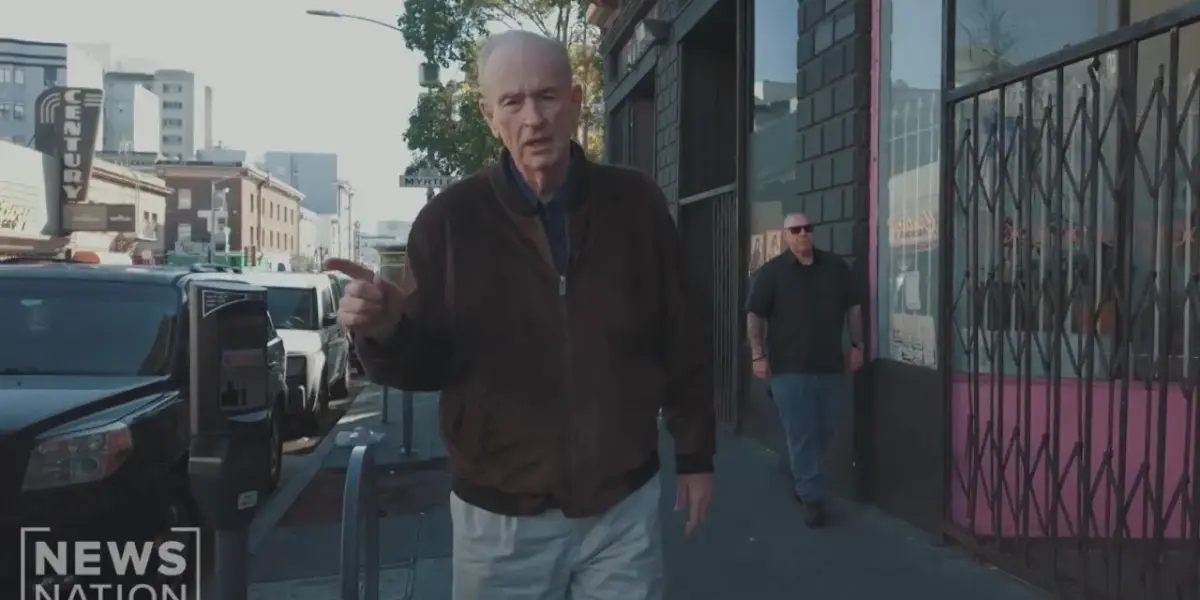
The Tenderloin district in San Francisco has become a stark symbol of a city struggling with widespread drug use, crime, and homelessness. This area, infamously dubbed ‘Cartel Alley,’ highlights a critical breakdown in public safety and social policy. Bill O’Reilly, reporting from the scene, expressed deep anger and sadness, stating that such conditions should not exist in the United States. He pointed to a severe lack of law enforcement as the primary driver of the crisis.
Drugs and Despair Fuel the Crisis
The streets are awash with drugs like heroin, cocaine, and methamphetamine, now dangerously mixed with fentanyl, which can be deadly. Many of the addicted individuals, often referred to as ‘street people,’ seem to have lost the will to live. Their lives revolve solely around obtaining and using drugs. Ironically, the city provides these individuals with needles and crack pipes, a policy O’Reilly calls ‘insane’ and counterproductive to solving the problem.
Welfare Policies Draw Addicts
A key reason people flock to San Francisco, according to the report, is the city’s welfare system. California and San Francisco offer cash payments to these individuals for little or no work. This money is then used to buy drugs, creating a powerful incentive for addicts to come to the city. San Francisco’s mild weather, with neither extreme heat nor snow, further adds to its appeal.
Progressive Reforms Backfire
For years, law-abiding citizens have endured what is described as a ‘layer of progressive insanity’ and ‘radical criminal justice reform.’ A major turning point was California’s Proposition 47, passed in 2014. This proposition reclassified many felonies as misdemeanors, aiming to reduce prison overcrowding. However, critics argue it has led to a ‘revolving door’ justice system.
Judges and Policymakers Blamed
The report suggests the issue isn’t solely with police failing to do their jobs. Instead, it points to judges, state laws, and state policymakers. These officials have lowered penalties for what are termed ‘quality of life crimes.’ This means arrests often lead to quick releases with no lasting consequences, especially when arrests are made at all.
District Attorney Chesa Boudin’s Tenure
The situation worsened significantly in 2019 when Chesa Boudin became San Francisco’s District Attorney. Raised by radical parents, Boudin entered office with a strong anti-police and anti-incarceration agenda. He followed through on promises to stop enforcing many laws, claiming they caused racial disparities in the justice system. This led to a ‘free-for-all’ on the streets, with police often not even bothering to arrest people for offenses like drug dealing, drug use, prostitution, and illegal camping.
Shoplifting and Business Exodus
The decriminalization of shoplifting was another policy that had predictable and negative results. Organized groups began engaging in ‘smash and grab’ thefts, targeting high-value items with the assurance of no consequences. This lack of accountability has driven many retailers to close their doors in San Francisco. Major stores have cited crime and safety concerns as the main reasons for leaving the downtown area.
Global Impact
Why This Reshapes the World Order
The conditions in San Francisco’s Tenderloin district serve as a cautionary tale for cities worldwide grappling with similar issues. It demonstrates how well-intentioned progressive policies, when implemented without considering all consequences, can lead to unintended and severe outcomes. The breakdown of law and order impacts not only residents but also the economic vitality of a major global city. This situation raises questions about the effectiveness of different governance models and the balance between social reform and public safety. It suggests that social policies must be grounded in practical realities and enforceable laws to be successful.
Historical Context
The current crisis echoes historical debates about how societies should address poverty, addiction, and crime. Early 20th-century reform movements often focused on rehabilitation and social welfare, but also relied on strong law enforcement. Later approaches, particularly in the late 20th century, saw a rise in ‘tough on crime’ policies. The current situation in San Francisco represents a swing back towards a more lenient approach, with Proposition 47 and Boudin’s tenure as DA being key examples of this shift. The outcome, however, suggests that radical reforms without sufficient public safety measures can be detrimental.
Economic Leverage and Consequences
The economic impact is significant. Retailers leaving San Francisco due to crime reduces jobs and tax revenue. The city’s reputation as a safe and functional place to live and do business is damaged. The cost of dealing with homelessness, addiction, and crime places a heavy burden on taxpayers. The flow of cash welfare payments to fuel drug addiction represents a direct economic drain, essentially subsidizing the drug trade.
Regional Alliances and Power Balances
While this issue is primarily domestic, it has implications for California’s political landscape and its standing nationally. The failure to manage these social issues could influence future elections and policy debates across the United States. It also affects how other cities and states approach similar challenges, potentially leading to different policy choices based on San Francisco’s experience.
Future Scenarios
One possible future scenario is a continued decline, with more businesses leaving and conditions worsening. Another is a significant policy reversal, with increased law enforcement and stricter social controls, potentially leading to clashes over civil liberties. A third, more optimistic scenario, involves a balanced approach that combines effective social services with robust public safety measures, leading to gradual improvement. The likelihood of each scenario depends heavily on political will and the effectiveness of future policy decisions.
Source: Bill O'Reilly's anger and sadness at San Francisco's Tenderloin district (YouTube)

Related Articles


Immigration Debate Ignites Over Murder Suspect’s Status
A Venezuelan national accused of murder has become a focal point in the U.S. immigration debate. Prosecutors presented evidence of his alleged involvement in a student's death, while the defense highlighted his difficult background. The case raises questions about public safety and migrant support.

US Marshals Target Memphis Crime Surge
The U.S. Marshals Service has launched a major crime-fighting initiative in Memphis, aiming to unite law enforcement agencies and build community trust. The task force's primary goal is to reduce violent crime and make the city safer for its residents. This effort highlights the importance of collaboration between federal and local authorities in addressing public safety concerns.

Illegal Immigrant Charged in Student’s Murder
A man accused of killing Loyola University freshman Sheridan Gorman is due in court today. Authorities state the suspect is in the U.S. illegally and had an active warrant. The case is drawing national attention, focusing on immigration laws and public safety.