Samsung’s Z Trifold: A Foldable That Finally Makes Sense
Samsung's innovative Galaxy Z Trifold redefines foldable phones with its dual-folding 10-inch display, offering a true tablet experience in a pocketable form. Despite its premium price and some first-gen quirks, it finally makes the foldable concept compelling for power users.

Samsung’s Z Trifold: A Foldable That Finally Makes Sense
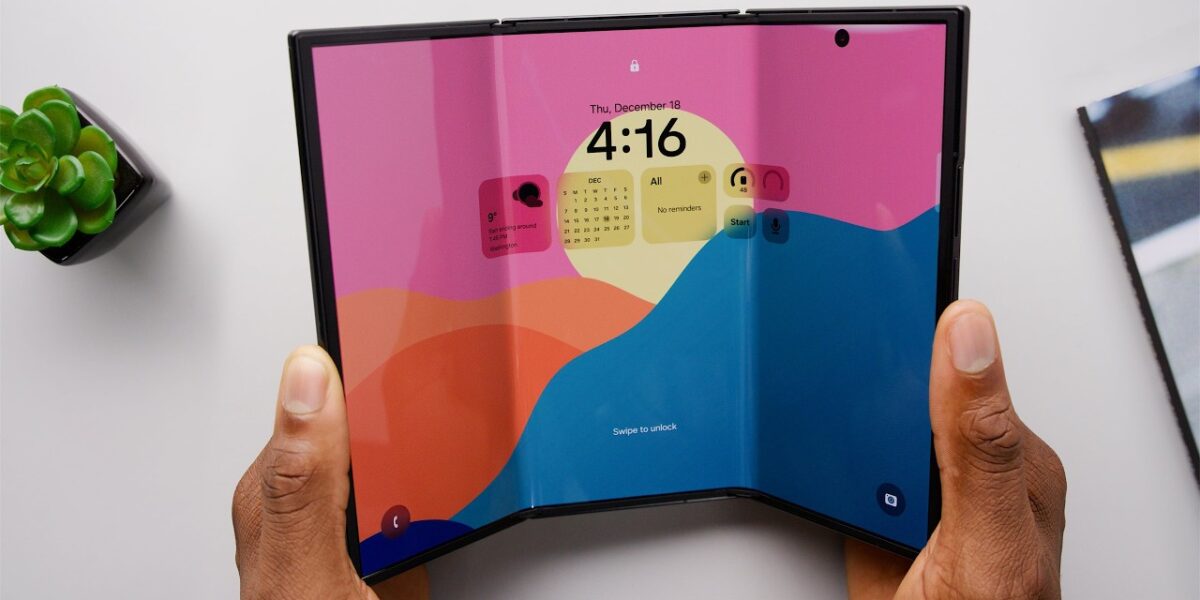
For years, the foldable smartphone market has been a fascinating, albeit niche, space. We’ve seen devices that fold once, offering a larger, tablet-like experience when unfolded. But Samsung may have just cracked a new code with the Galaxy Z Trifold, a device that folds not once, but twice, to create a truly expansive 10-inch tablet that can, remarkably, fit into your pocket. This isn’t just an incremental upgrade; it’s a fundamental shift in how we can perceive and use portable devices, and for the first time, the foldable concept truly clicks.
While the idea of a tri-folding phone isn’t entirely new – the Huawei Mate XT explored a similar concept in 2024 by folding outwards in a Z-shape – Samsung’s approach with the Z Trifold offers a more refined and practical user experience. Instead of an exposed, constantly vulnerable outer screen, the Z Trifold features a more traditional clamshell-like fold. It boasts an external cover display, and when you unfold it, a second internal display unfolds a second time, revealing a massive, near-square 10-inch tablet.
Redefining Portability and Screen Real Estate
The key difference lies in the screen’s aspect ratio. While an 8-inch screen on a standard foldable offers a significant jump from a phone, the video experience can often feel constrained by the display’s inherent squareness, leaving large black bars during media consumption. The Z Trifold, with its 16:10 aspect ratio on the unfolded 10-inch display, fundamentally changes this. Watching full-screen videos is a revelation, with no wasted pixels. Games feel more immersive, and multitasking becomes genuinely productive.
Imagine opening your phone and having an app like the Files app display multiple columns simultaneously, allowing you to navigate your file system with unprecedented ease. The YouTube app mirrors its tablet counterpart, letting you watch videos in a substantial window while scrolling through related content or comments. Web browsing feels less like squinting at a cramped phone screen and more like using a compact laptop. Even standard social media apps, when used in landscape mode, feel expansive and comfortable.
This expansive canvas is also a dream for productivity. The ability to run three apps side-by-side, whether stacked vertically or horizontally, means each application has ample room to breathe, avoiding the cramped, unusable interfaces often found on smaller foldables. Furthermore, the Z Trifold uniquely supports Samsung DeX without needing an external monitor, enabling a multi-window desktop experience directly on the device, with the option to use it as a second screen for a connected monitor.
Under the Hood: Flagship Power Meets Foldable Innovation
Underneath its innovative design, the Z Trifold packs serious power. It’s equipped with the Snapdragon 8 Gen 4 Elite chipset, paired with a generous 16GB of RAM and 512GB of internal storage. While not the absolute latest chip, it’s a flagship processor from the previous year, ensuring smooth performance for demanding tasks and applications.
The camera system is essentially carried over from the Z Fold 7, featuring a capable 200MP primary sensor, a 10MP 3x telephoto lens, and a 12MP ultrawide sensor. The cover display is also familiar, a 6.5-inch 21:9 panel with a 120Hz refresh rate and a peak brightness of 2600 nits, offering a premium external viewing experience.
Design and Engineering: A Study in Compromise and Ingenuity
The most striking aspect of the Z Trifold is its physical form. When closed, it’s undeniably thick at 12.9mm and weighs over 300 grams, making it feel like a substantial device. However, Samsung has managed to make it thinner than some of the earliest single-fold devices, a testament to engineering advancements. The design is meticulously considered, from the way the bottom leaf is slightly longer to provide a convenient lip for opening, to the satisfying magnetic closure and the smooth, forceful spring of the hinges.
The dual-folding mechanism introduces some unique challenges and considerations. The internal display, while offering an incredible 10-inch canvas, is thinner at 3.9mm on one side and 4.2mm on the other. This thinness comes at the cost of battery capacity; the 5600mAh battery, while the largest in a Samsung foldable, is split across three sections and is smaller than what you’d find in a conventional 10-inch tablet. This is where future advancements like silicon-carbon batteries could be a game-changer.
Charging is surprisingly robust for such a thin device, with support for 45W wired charging (charger included) and 15W wireless charging. The device also retains an IP48 rating, offering decent water resistance. However, the dual-folding nature means the internal display is more delicate. Creases are visible, and the differing fold radii suggest this is a first-generation approach to multi-folding durability. The internal screen’s brightness maxes out at 1600 nits, which is lower than the cover display, potentially impacting outdoor usability.
The Price of Innovation
The elephant in the room, as with any cutting-edge technology, is the price. While official US pricing is yet to be confirmed, the imported Korean model cost the equivalent of around $2,500 USD. It’s a significant investment, placing it at the very top of the market. However, considering the dual screens, complex hinge mechanisms, and the unique tablet-sized experience it offers, the price, while steep, might be justifiable for a specific audience.
Who Should Care?
The Samsung Galaxy Z Trifold is not for everyone. Its thickness and weight when closed will be a dealbreaker for those prioritizing sleekness and portability in a standard phone form factor. However, for power users, content creators, and anyone who craves a true tablet experience without carrying a separate device, the Z Trifold is a compelling proposition. If you’ve ever found yourself wishing your foldable’s screen was just a bit bigger for multitasking, media consumption, or productivity, this device directly addresses that need.
It represents a bold step forward for Samsung, showcasing a willingness to push boundaries and experiment with form factors, even if it means a higher price tag and some first-generation compromises. The Z Trifold makes the foldable dream more tangible, offering a glimpse into a future where our most powerful computing devices are also the most portable.
Specs & Key Features
- Processor: Snapdragon 8 Gen 4 Elite
- RAM: 16GB
- Storage: 512GB
- Main Display: 10-inch (unfolded), 16:10 aspect ratio, dual-folding
- Cover Display: 6.5-inch, 21:9 aspect ratio, 120Hz, 2600 nits
- Rear Cameras: 200MP (primary), 10MP (3x telephoto), 12MP (ultrawide)
- Battery: 5600mAh (split across three sections)
- Charging: 45W wired, 15W wireless
- Durability: IP48 water resistance
- Dimensions (closed): 12.9mm thickness, >300g weight
- Special Features: Samsung DeX on-device, dual-folding display
Availability and Pricing
The Samsung Galaxy Z Trifold has been imported from Samsung Korea and is expected to retail in the US in the range of $2,500 to $3,000 USD. Official availability dates are yet to be announced.
Source: Samsung Galaxy Z Tri Fold Impressions: NOW It Makes Sense! (YouTube)

Related Articles


Walmart’s $360 SuperBox: A Piracy Pandora’s Box?
The $360 SuperBox, sold on Walmart.com, promises unlimited streaming content but raises serious questions about legality, security, and ethics. This device offers a tempting bypass to subscription fees but comes with significant risks, including potential botnet involvement and network compromise.


Honor Magic V6: Thinnest Foldable With Massive Battery
Honor's new Magic V6 foldable pushes boundaries by integrating the largest battery in a foldable phone within its incredibly slim 8.75mm design. Featuring advanced silicon-carbon battery tech and IP68/IP69 ratings, it promises extended battery life and enhanced durability.

Galaxy Buds 4 Pro: Samsung’s New Earbuds Outshine AirPods
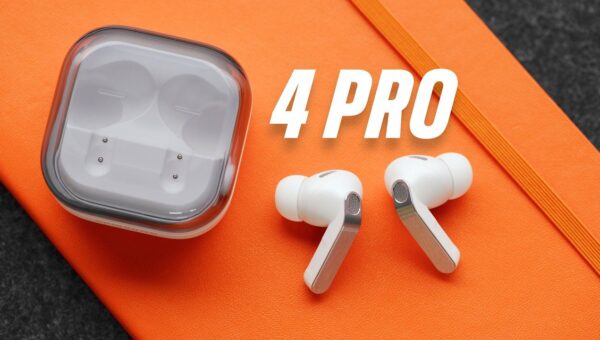
Samsung's new Galaxy Buds 4 Pro are a major contender in the premium wireless earbud market, rivaling and even surpassing the performance of Apple's AirPods Pro. With exceptional sound, advanced ANC, and a refined design, they are a top choice for Android users.