Samsung’s TriFold: A Tablet That Fits in Your Pocket
Samsung's new Galaxy Z Trifold redefines foldable phones by offering a massive 10-inch tablet-like display that folds into a pocketable device. It boasts impressive performance, standalone DeX capabilities, and an immersive media experience, though its thickness and weight are noted as areas for future improvement.

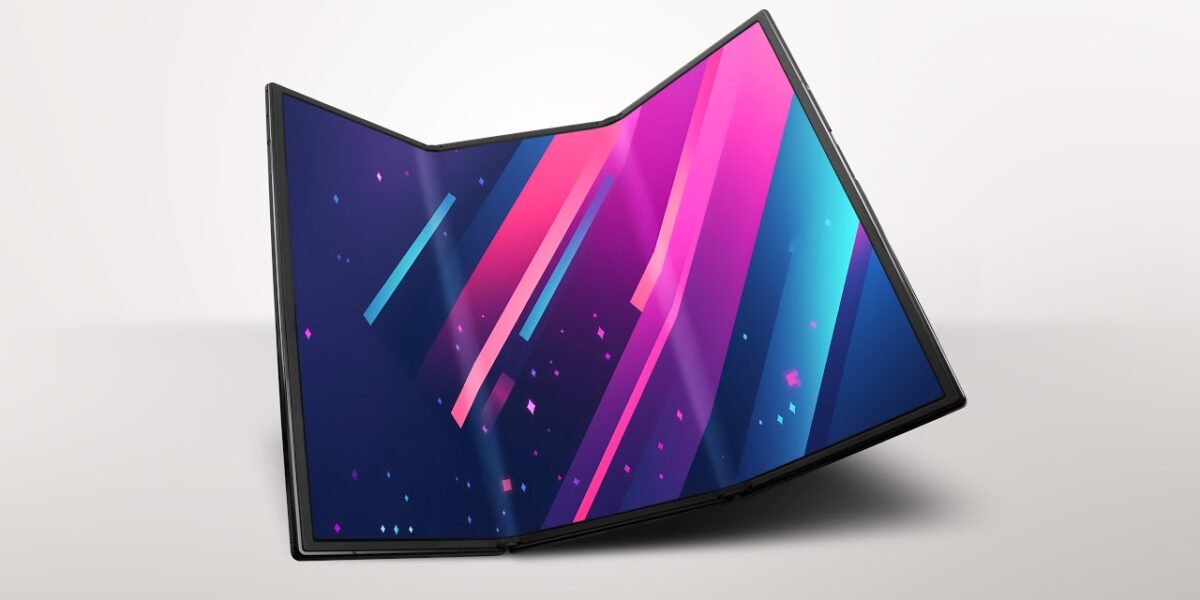
Samsung’s TriFold: A Tablet That Fits in Your Pocket
The foldable phone market has been a fascinating playground for innovation, pushing the boundaries of what we expect from our mobile devices. While the concept of a bendable screen has always been compelling, practical usability has often lagged behind the ‘wow’ factor. That is, until now. The Samsung Galaxy Z Trifold has arrived, and it’s not just another foldable; it’s a device that redefines the category by offering a truly expansive tablet-like experience that miraculously folds down to pocketable dimensions.
A New Dimension in Foldables
At first glance, the Trifold shares a familiar aesthetic with Samsung’s Fold series, but the magic truly unfolds when you open it. Instead of a two-panel design, the Trifold boasts a three-panel display that unfurls like a brochure, revealing a massive 10-inch screen. This isn’t just a slightly larger phone screen; it’s a full-fledged tablet experience that can be carried in your pocket. While it is noticeably thicker and heavier than the latest ultra-compact foldables like the Fold 7, it offers a generational leap in screen real estate compared to devices like the year-and-a-half-old Fold 6, all within a comparable footprint when folded.
The reviewer found the Trifold’s size and weight acceptable for pocketability and use, though future iterations aiming for a 250-260g weight would be ideal. The exterior panels sport a ceramic glass fiber-reinforced polymer, a material likely chosen for weight reduction. While functional, this material offers a less premium feel than the glass backs found on other flagship Samsung foldables.
Hinge Technology and Design Considerations
The hinge mechanism on the Trifold feels robust and durable, exhibiting no play when the device is open. A subtle difference in panel thickness is noticeable, a trade-off for integrating essential components like the USB-C port. The reviewer suggests that further significant thinning of the device might be limited by the need for such ports, though the outer panels could potentially shed a bit more thickness in future designs.
The true revelation of the Trifold lies in its expansive screen. For years, the reviewer has been frustrated by the underutilization of large foldable displays on traditional two-panel devices, often plagued by black bars during media consumption. The Trifold, however, finally makes full use of its large screen, transforming movies and shows into an immersive experience. The display itself is excellent, supporting up to 120Hz for gaming, with visuals looking stunning. While the main display’s peak brightness outdoors caps at 1,600 nits, the outer display matches the Fold 7’s impressive 2,600 nits peak brightness.
Performance and Internals
Under the hood, the Trifold is powered by the Snapdragon 8 Elite for Galaxy chip, the same capable processor found in the Fold 7. Paired with 16GB of RAM, it delivers smooth performance. The camera system and speaker setup are also identical to the Fold 7, with the speakers providing great audio quality despite the device’s slim profile, featuring one on the top and one on the bottom.
Unique Folding Mechanism and Its Implications
The folding process for the Trifold is specific: the left panel must fold first, followed by the right. This order is enforced by the hinge design. The left hinge is standard, allowing a clean fold, while the wider right hinge accommodates the extra panel, requiring a slightly looser fold. While not an annoyance, this precise folding order means the Trifold cannot be used in a ‘mid-folded’ orientation like some other foldables. It’s either fully open or fully closed, utilizing the front screen. This design also means a fourth, rear-facing screen is essentially superfluous when the device is open, consuming resources and space.
This contrasts with designs like Huawei’s Mate X series, which fold in a Z-like manner, allowing one of the three panels to be exposed on the outside when folded. While this eliminates the need for a separate outer screen, it leaves that panel vulnerable to scratches from pocket debris. Samsung’s approach prioritizes screen protection by keeping all flexible panels folded inward, with the durable glass on the exterior when closed. While Huawei’s design might appear more elegant, Samsung’s method offers better protection.
Versatility: Tablet, Phone, and Computer
The Trifold’s expansive screen unlocks impressive multitasking capabilities. Furthermore, it runs a custom version of Samsung DeX, uniquely capable of operating as a standalone desktop experience without needing an external monitor. When paired with a wireless mouse and keyboard, the Trifold effectively transforms into a pocketable computer, offering unparalleled versatility as a phone, tablet, and PC.
The battery is Samsung’s largest yet in a foldable, supporting 45W wired and 15W wireless charging. Notably, the device comes with a charger and a snap-on case that features a protective mechanism for the hinge, flexing as the device is opened and closed.
The Future of Foldables?
As of late 2025, Samsung is on its seventh-and-a-half generation of foldables, with the Trifold representing their eighth generation. The reviewer posits that if competitors, including a rumored Apple foldable, stick to traditional two-panel designs, Samsung’s Trifold’s superior utility for media consumption and multitasking could make it a significantly tougher sell for a device that doesn’t leverage screen real estate as effectively. The sheer versatility and expansive display of the Trifold position it as a compelling glimpse into the future of mobile technology.
Despite its impressive technological achievement, the Trifold comes with a hefty price tag, as is typical for cutting-edge foldable technology. However, for those seeking the ultimate in mobile versatility and an immersive viewing experience that fits in their pocket, the Samsung Trifold is an exceptional piece of engineering. With potential future reductions in price and weight, this tri-panel design could very well become the standard.
Specs & Key Features
- Display: 10-inch unfolded tablet-like experience (three panels)
- Outer Display Brightness: Up to 2600 nits peak
- Main Display Brightness: Up to 1600 nits peak outdoors
- Processor: Snapdragon 8 Elite for Galaxy
- RAM: 16GB
- Storage: Not specified in transcript
- Rear Material: Ceramic glass fiber-reinforced polymer
- Hinge: Durable, well-made, specific folding order required (left panel first)
- Unique Feature: Standalone Samsung DeX support
- Battery: Largest in a Samsung foldable to date
- Charging: 45W wired, 15W wireless
- In the Box: Charger, snap-on case with hinge protection
- Refresh Rate: Up to 120Hz on main display
Source: The Samsung TriFold is AWESOME! (YouTube)

Related Articles


Walmart’s $360 SuperBox: A Piracy Pandora’s Box?
The $360 SuperBox, sold on Walmart.com, promises unlimited streaming content but raises serious questions about legality, security, and ethics. This device offers a tempting bypass to subscription fees but comes with significant risks, including potential botnet involvement and network compromise.
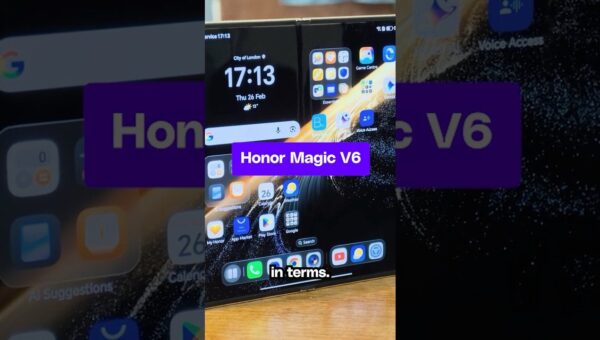
Honor Magic V6: Thinnest Foldable With Massive Battery
Honor's new Magic V6 foldable pushes boundaries by integrating the largest battery in a foldable phone within its incredibly slim 8.75mm design. Featuring advanced silicon-carbon battery tech and IP68/IP69 ratings, it promises extended battery life and enhanced durability.

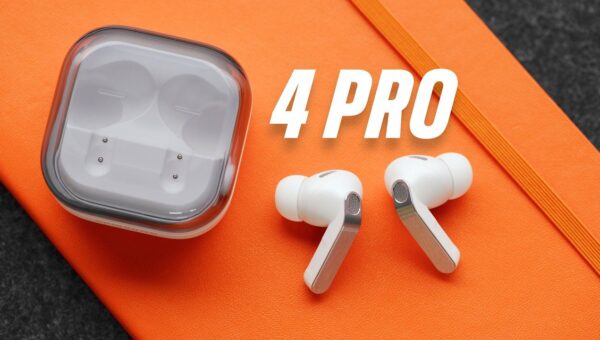
Galaxy Buds 4 Pro: Samsung’s New Earbuds Outshine AirPods
Samsung's new Galaxy Buds 4 Pro are a major contender in the premium wireless earbud market, rivaling and even surpassing the performance of Apple's AirPods Pro. With exceptional sound, advanced ANC, and a refined design, they are a top choice for Android users.