Samsung’s S26: A Stagnant Flagship Dilemma
Samsung's Galaxy S26 lineup presents a mixed bag. While the Ultra introduces an innovative privacy screen, the base and Plus models suffer from stagnant camera hardware, increased prices, and feature omissions, raising questions about Samsung's priorities in its flagship smartphone series.

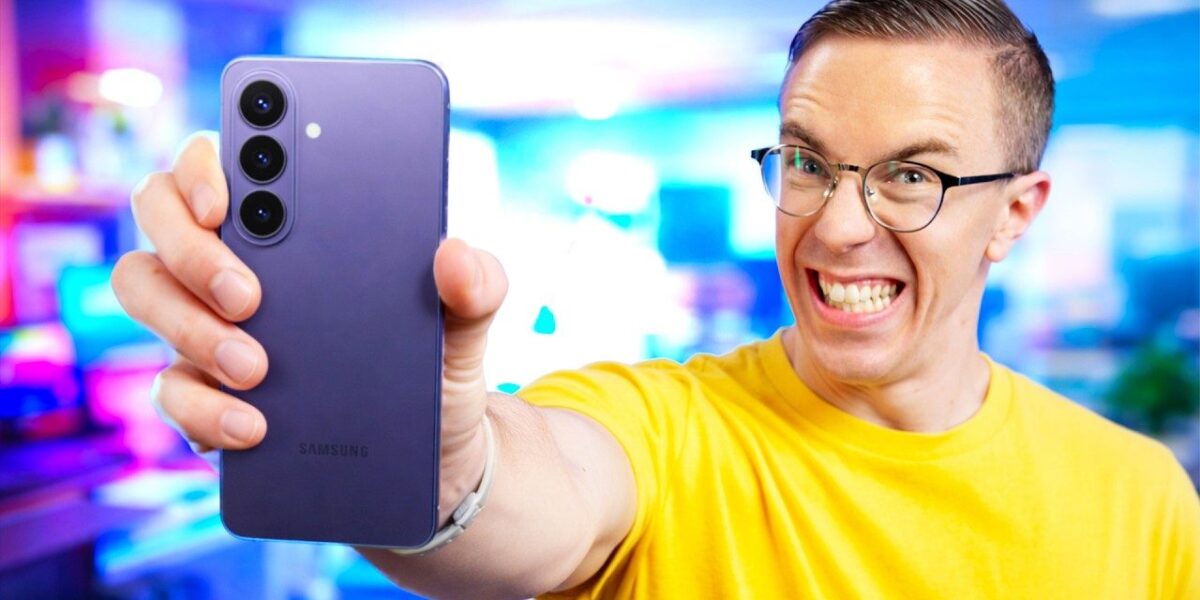
Samsung’s S26: A Stagnant Flagship Dilemma
Samsung has long been the undisputed king of the Android smartphone market, consistently delivering flagship devices that push the boundaries of innovation. However, with the latest Galaxy S26 lineup, a troubling trend emerges: a sense of stagnation, particularly in the base and Plus models, raising questions about Samsung’s commitment to its most iconic smartphone series.
The Ultra Shines, But At What Cost?
Let’s start with the Galaxy S26 Ultra, which offers some genuinely exciting advancements. Priced competitively, it boasts the brand-new Snapdragon 8 Elite Gen 5 for Galaxy processor. But the real showstopper is the innovative ‘Privacy Screen’ feature. This technology dynamically alters the display’s viewing angles, allowing users to selectively block content like notifications or the entire screen from prying eyes. Unlike static privacy films, this feature is app-aware and can be toggled on and off seamlessly. When inactive, the screen reverts to a standard, vibrant OLED, making the privacy function an impressive feat of display engineering.
However, even the Ultra sees a materials shift, moving away from titanium to a purportedly more robust, higher-grade aluminum. While this might be a cost-saving measure or an engineering decision, it’s a departure from the premium feel some users have come to expect from the top-tier model.
Base and Plus Models Face an Uphill Battle
The narrative takes a significant downturn when examining the base Galaxy S26 and S26 Plus. These models are not only more expensive, with the base S26 now starting at $800-$900, but they also appear to be making compromises. Notably, the base S26 has lost millimeter wave 5G support, a feature that has become standard on many flagship devices in the US. This move, combined with a price increase, makes for a difficult sales proposition.
Adding to the global complexity, while US models will feature Snapdragon processors, other markets like Europe and Korea will receive Exynos 2600 chips. Past performance suggests that Exynos variants often lag behind their Snapdragon counterparts, further complicating the S26’s appeal across different regions.
A Stale Camera System Raises Eyebrows
Perhaps the most glaring issue is the camera hardware. When comparing the Galaxy S23, S24, S25, and the new S26, the main sensor, ultrawide, and telephoto lenses remain largely unchanged across four generations. While Samsung sprinkles in AI enhancements, the core hardware is four years old. In a market where competitors like Google’s Pixel and Apple’s iPhone consistently upgrade their camera systems, Samsung’s decision to maintain the status quo on its most accessible flagships, while simultaneously increasing the price, is hard to justify. The ultrawide and telephoto lenses, in particular, are showing their age.
Missing Features and Shifting Priorities
Another notable omission is the lack of Qi2 magnetic charging support. While Apple has offered MagSafe for years, the Qi2 standard aims to bring similar magnetic alignment and potentially faster wireless charging to the broader ecosystem. Samsung’s decision to sit this out is perplexing, with speculation pointing towards a desire to push first-party cases with built-in magnets, a move that feels less like innovation and more like a revenue strategy.
The discontinuation of the Galaxy S25 Edge further underscores a potential shift in Samsung’s focus. While the Edge model was well-received by some, its apparent poor sales have led to its absence in the S26 lineup. This contrasts sharply with Samsung’s continued investment and innovation in its foldable series, now on its seventh generation with the Fold 7 and the introduction of a new Trifold device. This suggests that Samsung’s R&D and marketing energy are increasingly directed towards the foldable market, potentially at the expense of its traditional flagship S line.
The Pricing Paradox and Apple’s Dominance
The S26’s pricing strategy, especially the increased cost of the base model, puts it in a precarious position relative to Apple’s iPhone. Historically, Samsung and Apple have vied for the same customer base, often mirroring each other’s pricing to remain competitive. With the base S26 now exceeding the price of a comparable iPhone, Samsung faces an uphill battle. Apple’s formidable services ecosystem, generating billions in revenue, allows it to absorb hardware profit margins more flexibly. Samsung, heavily reliant on hardware sales and without a comparable services powerhouse, finds it harder to engage in aggressive pricing strategies.
Internal Dynamics and Rising Component Costs
Adding another layer of complexity are reports suggesting internal friction within Samsung. Allegations surfaced that Samsung’s memory division prioritized selling RAM to AI data centers over providing stable, long-term pricing for its own phone division. The global RAM shortage, exacerbated by the AI boom, has sent memory prices soaring. This situation, if true, highlights a potential conflict of interest where Samsung’s most profitable divisions are not necessarily its smartphone operations. Reports indicate a significant jump in Samsung’s smartphone component costs, forcing the company to either absorb these costs, pass them on to consumers, or make cuts elsewhere – which appears to have happened with the S26.
A Conglomerate’s Priorities
Viewing Samsung not just as a phone manufacturer but as a massive tech conglomerate provides crucial context. Samsung’s dominance in display technology (supplying even Apple), memory chips, foundries, TVs, and appliances means the Galaxy S line, while historically significant, may no longer be its primary profit driver. With the explosive growth in AI, the company’s other divisions are experiencing unprecedented profitability. This could explain why less innovation is trickling down to the S26, as Samsung’s resources and attention are increasingly focused on areas like foldables and the booming AI hardware market.
Verdict: Ultra a Modest Upgrade, Base a Step Back
The Galaxy S26 Ultra offers a legitimate, albeit modest, upgrade. The privacy screen is a standout feature, and the new processor provides a performance boost. However, the shift away from titanium and the largely iterative camera improvements might not justify the premium for all users. The wider aperture on the main and telephoto sensors, coupled with faster charging, represent incremental gains.
Conversely, the base Galaxy S26 feels like a step backward. A $100 price increase, a lack of millimeter wave support, and the continued reliance on aging camera hardware make it a tough sell, especially when compared to its direct competitors and even its own predecessors. The use of Exynos chips in many global markets further weakens its competitive standing. The inclusion of 256GB of storage as standard is a welcome addition, but it doesn’t entirely offset the other drawbacks.
Who Should Care?
For loyal Samsung users seeking the latest and greatest, the S26 Ultra might be worth considering, primarily for its unique privacy screen. However, those looking for a significant leap in camera technology or build materials might want to hold off. For potential buyers of the base S26 or S26 Plus, the value proposition is questionable. The increased price and stagnant features make it difficult to recommend over other options in the market, including older Galaxy models or competing flagships.
Samsung’s focus appears to have shifted, with foldables now taking center stage. While the S26 line ensures Samsung maintains a presence across all market segments, the lack of compelling innovation in its core flagship series suggests that the company’s true excitement and investment lie elsewhere. The question remains: is simply existing at every price point enough for the Galaxy S line to thrive, or is it a sign of a flagship series losing its way?
Specs & Key Features (Galaxy S26 Ultra)
- Display: Dynamic OLED with Privacy Screen feature
- Processor: Snapdragon 8 Elite Gen 5 for Galaxy
- Build: Armored Aluminum frame
- Camera: Updated main sensor with wider aperture, updated telephoto with wider aperture
- Charging: Faster charging speeds, Qi2 support not explicitly mentioned
- Other: Privacy Screen functionality
Specs & Key Features (Galaxy S26/S26 Plus)
- Processor: Snapdragon (US), Exynos 2600 (International)
- Camera: Same main, ultrawide, and telephoto sensors as S23/S24/S25
- Connectivity: Lacks millimeter wave 5G on base model
- Storage: 256GB standard on base model
- Build: Aluminum frame
- Charging: Standard speeds, Qi2 support not explicitly mentioned
Source: The Problem with the Galaxy S26 (YouTube)

Related Articles


Samsung’s AI Photo Editor: Brilliant or Dangerous?
Samsung's new Galaxy S26 Ultra features 'Generative Edit,' an AI tool that can add or alter elements in photos. While offering creative possibilities, it raises serious ethical concerns about potential misuse and the spread of misinformation.


Samsung’s Galaxy S26 Ultra Privacy Display Unveiled
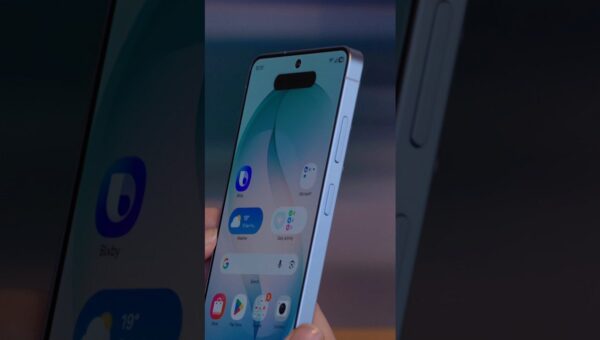
Samsung's upcoming Galaxy S26 Ultra may feature an innovative 'Privacy Display' technology, using dual-pixel technology to limit viewing angles. With extensive software controls for activation, this feature promises enhanced security for sensitive data on the go.
Galaxy S26 Ultra: Privacy Display Steals the Show
Samsung's Galaxy S26 Ultra introduces a revolutionary built-in privacy display, offering unparalleled on-the-go security. This pixel-level control shields your screen from side views, with customizable options for apps and notifications. Enhanced cameras and a refined design round out this compelling flagship.