Sabotage in Lviv: Deadly Blasts Unmask Russia’s Deepening Hybrid Warfare in Western Ukraine
A suspected terrorist attack in Lviv, believed by Ukrainian officials to be orchestrated by Russia, tragically killed a 23-year-old police officer and injured 25 others in the city's historic Old Town. The arrest of a Ukrainian woman in connection with the two blasts underscores Russia's use of insidious hybrid warfare tactics, targeting first responders and aiming to destabilize Western Ukraine.

Sabotage in Lviv: Deadly Blasts Unmask Russia’s Deepening Hybrid Warfare in Western Ukraine
In the early hours of February 22, the historic heart of Lviv, a city long considered a sanctuary from the direct ravages of war in Ukraine’s west, was rocked by a suspected terrorist attack that claimed the life of a young police officer and injured 25 others. Ukrainian officials swiftly attributed the insidious act to Russia, framing it as a deliberate ‘deadly trap’ designed to destabilize and sow fear far from the front lines. The arrest of a Ukrainian woman in connection with the blasts has cast a chilling light on the evolving nature of the conflict, signaling a dangerous escalation in Russia’s hybrid warfare tactics that now reach into the perceived safety of Western Ukraine.
A Night of Terror in Lviv’s Old Town
Lviv, with its cobblestone streets, vibrant cultural scene, and UNESCO World Heritage status, has served as a symbol of Ukrainian resilience and a vital logistical hub since the full-scale invasion began in February 2022. While the city has periodically endured missile and drone strikes, the incident on February 22 marked a disturbing shift: an apparent act of internal sabotage, meticulously planned to target first responders.
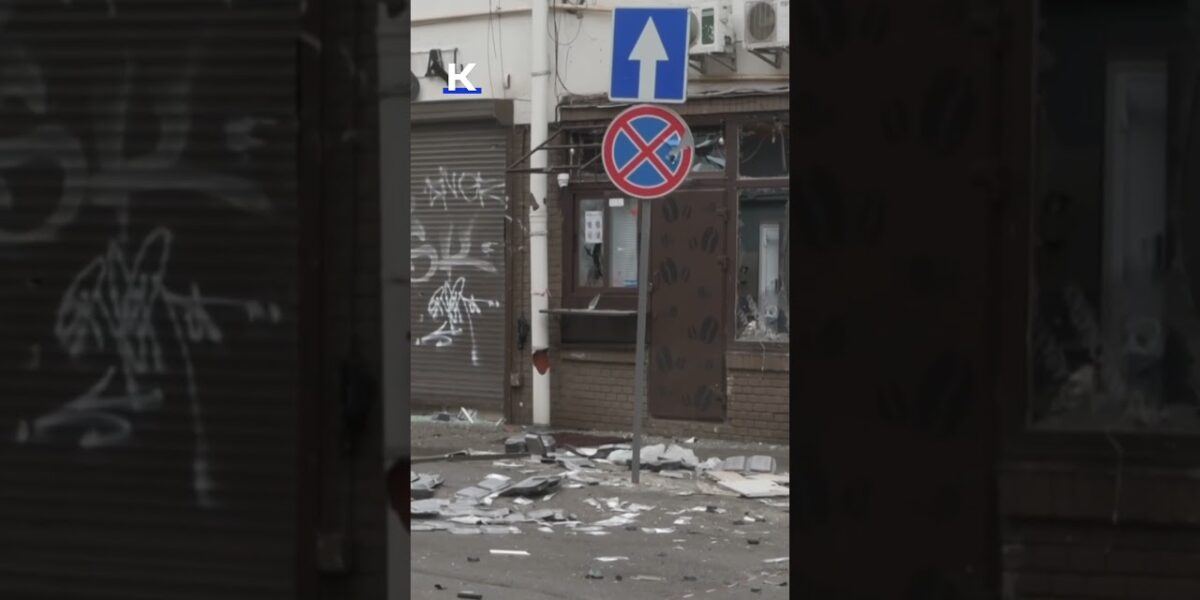
According to reports, the tranquility of the city’s Old Town was shattered by two powerful explosions. The initial blast occurred after law enforcement officers responded to a reported store intrusion. As a second police crew arrived at the scene, a subsequent, equally devastating explosion took place. This sequence of events, as described by Ukraine’s National Police and Lviv Oblast’s Prosecutor’s Office, strongly suggests a premeditated ambush, designed not merely to cause damage but specifically to target and inflict casualties among emergency services personnel.
The human cost of this calculated aggression was tragically immediate. Ukraine’s national police identified the fallen officer as 23-year-old Viktoria Shpylka, a young woman whose life was cut short in the line of duty. Six other law enforcement officers were hospitalized in serious condition, alongside 19 other injured individuals, comprising both civilians and other emergency personnel. The shattered windows and debris scattered across the historic district served as a stark reminder of the indiscriminate nature of the attack and its devastating impact on a community accustomed to a relative degree of peace.
The Hand of Moscow: A ‘Deadly Trap’
Ukrainian Minister of Internal Affairs, Ihor Klymenko, did not mince words when addressing the nation on Sunday morning. “The police, in cooperation with the Security Service of Ukraine, have arrested a suspected saboteur,” Klymenko announced, adding with conviction, “There is every reason to believe that the crime was carried out on the orders of Russia. It’s not the first time that the enemy has deliberately set up deadly traps for Ukrainian law enforcement officers.”
Lviv Mayor Andrii Sadovyi further confirmed that the detainee was a Ukrainian citizen, a woman, underscoring the chilling reality that Russia is employing local agents to execute its destabilization agenda. This accusation, if proven, points to a sophisticated and deeply troubling aspect of Russia’s ongoing aggression: the recruitment and deployment of internal saboteurs to sow chaos and fear within Ukrainian society, far beyond the conventional battlefields.
The phrase “deadly traps” used by Minister Klymenko is particularly resonant. It speaks to a tactic designed to exploit the very principles of public service and humanitarian response. By targeting first responders – police, paramedics, firefighters – who are trained to rush towards danger, such attacks aim to erode trust, instill fear among those who protect, and ultimately overwhelm emergency services. This psychological warfare component is a hallmark of hybrid conflict, seeking to undermine morale and create a pervasive sense of insecurity.
Lviv: A Symbol and a Target
Lviv’s strategic importance extends beyond its cultural heritage. As the largest city in Western Ukraine, it serves as a critical logistical gateway for humanitarian aid, military supplies, and displaced persons entering from Europe. Its railway network and proximity to the Polish border make it an indispensable transit point for Western support. Disrupting operations or creating a climate of fear in Lviv could hinder these vital supply lines and project an image of vulnerability across the entire country, including areas previously considered relatively safe.
While missile and drone attacks on Lviv have occurred, often targeting critical infrastructure or military installations, the nature of this suspected sabotage operation is different. It suggests a more insidious form of infiltration, a direct attempt to destabilize from within. This type of attack aims to demonstrate Russia’s reach and capacity to strike anywhere in Ukraine, challenging the perception of security that many Lviv residents and internally displaced people have come to rely upon.
The city has also been a haven for countless Ukrainians fleeing the violence in the east and south. An attack of this nature in Lviv carries a profound psychological impact, potentially undermining the sense of safety for those who sought refuge there, and by extension, for the entire nation. It sends a message that no place is entirely immune from the conflict’s reach, even through unconventional means.
The Broader Context of Russian Hybrid Warfare
Russia’s war against Ukraine is not confined to conventional military operations. It encompasses a wide spectrum of hybrid warfare tactics, including cyberattacks, disinformation campaigns, political interference, and sabotage. The suspected Lviv attack fits squarely within this broader strategy, aiming to achieve objectives that direct military force might not, or to soften targets for future actions.
The recruitment of local agents, often individuals who may be disaffected, financially motivated, or ideologically aligned with Russia, is a classic intelligence tactic. These agents can plant explosives, gather intelligence, or spread propaganda, operating under the radar of conventional security measures. The Security Service of Ukraine (SBU) has repeatedly highlighted its ongoing efforts to identify and neutralize such saboteur groups, underscoring the constant internal threat Ukraine faces.
Targeting first responders is also a deliberate tactic seen in other conflicts. It serves multiple purposes: to maximize casualties by drawing in rescuers, to degrade the enemy’s emergency response capabilities, and to inflict a severe psychological blow on both the public and those dedicated to protecting them. It’s a method designed to create a sense of helplessness and chaos, thereby weakening the social fabric and state authority.
The Ongoing Fight Against Internal Threats
The arrest of the suspected saboteur in Lviv highlights the critical role played by Ukraine’s security services in counteracting Russia’s multifaceted aggression. The cooperation between the National Police and the SBU is paramount in identifying and apprehending individuals involved in such clandestine operations. This requires robust intelligence gathering, effective surveillance, and swift operational responses.
The challenges are immense. In a country at war, discerning genuine criminal activity from acts of sabotage can be complex. The sheer volume of potential threats, coupled with the need to maintain civil liberties, places immense pressure on law enforcement agencies. Yet, the rapid arrest in Lviv demonstrates Ukraine’s determination and capability to confront these internal threats head-on.
For the average Ukrainian citizen, such incidents underscore the importance of vigilance and cooperation with authorities. Public awareness campaigns often encourage citizens to report suspicious activities, recognizing that community involvement is a crucial layer of defense against internal sabotage. The war has fostered a strong sense of national unity, which paradoxically also makes it harder for saboteurs to operate unnoticed, as most citizens are highly attuned to potential threats.
Remembering Viktoria Shpylka and Honoring Resilience
The death of Viktoria Shpylka at just 23 years old is a poignant reminder of the personal sacrifices made every day in Ukraine’s struggle for sovereignty. Her commitment to duty, like that of countless other law enforcement officers and emergency personnel, stands in stark contrast to the cynical and destructive aims of those who orchestrate such attacks. Her memory serves as a rallying cry for justice and a testament to the bravery of those who serve.
The Lviv community, though shaken, has shown remarkable resilience in the face of previous attacks, and this incident is unlikely to break its spirit. Instead, it will likely reinforce the collective resolve to resist Russian aggression in all its forms. The swift response from authorities, the outpouring of support for the victims, and the continued functioning of essential services are all testaments to Ukraine’s enduring strength.
In the aftermath of the blasts, enhanced security measures are likely to be implemented across Lviv and potentially other Western Ukrainian cities. This may include increased police patrols, heightened scrutiny of public spaces, and intensified intelligence operations. The goal is not only to prevent future attacks but also to reassure the populace that their safety remains a top priority, even as the nature of the conflict evolves.
A New Front in the War
The Lviv sabotage attack marks a concerning development in Russia’s full-scale invasion, highlighting the expansion of its hybrid warfare tactics into previously safer regions of Ukraine. By employing local agents to execute ‘deadly traps,’ Moscow seeks to sow internal discord, undermine trust in authorities, and disrupt vital logistical operations. However, the swift response by Ukrainian law enforcement and security services, culminating in an arrest, demonstrates Ukraine’s unwavering commitment to defending its territory and its people from all forms of aggression, both overt and covert. The tragic loss of Viktoria Shpylka serves as a powerful reminder of the profound human cost of this conflict and the bravery of those who stand on the front lines of freedom, even far from the conventional battlefield.
Source: Woman arrested after suspected terrorist attack in Lviv (YouTube)

Related Articles

Iran’s Regime Under Siege: Attacks Cripple Leadership, Impact Russia
Iran's regime is reportedly facing critical blows from targeted attacks, crippling its leadership and severing a vital military supply line to Russia. This dual pressure is significantly impacting Russia's war efforts in Ukraine, while internal dissent grows within Iran.

Ukraine Strikes Deep: Russia’s ‘Untouchable’ Assets Hit
Ukraine has successfully launched long-range drone attacks deep inside Russia, hitting a crucial chemical plant in Perm and an oil terminal in Krasnodar. These strikes dismantle Russia's perceived geographical safety and target key economic lifelines, impacting its ability to sustain the war effort. The attacks highlight Ukraine's evolving strategy of systematic disruption and innovative use of technology, including high-altitude balloons, to degrade Russian capacity.


Ex-Russian President Medv’s Stark War Ultimatum Revealed
Former Russian President Dmitry Medvedev has reaffirmed Moscow's non-negotiable demands for ending the war in Ukraine, directly linked to Vladimir Putin's public conditions. His statements dismantle illusions of compromise and suggest a prolonged conflict, as the stated goals remain vague and open-ended.