Rutte Warns NATO Faces Crisis Over US Support
NATO Secretary General Mark Rutte has warned of a potential crisis within the alliance, citing concerns over its support for key operations and evolving U.S. strategic priorities. The remarks highlight underlying tensions regarding collective security and burden-sharing among member nations. This geopolitical uncertainty could impact defense sector investments and broader market sentiment.

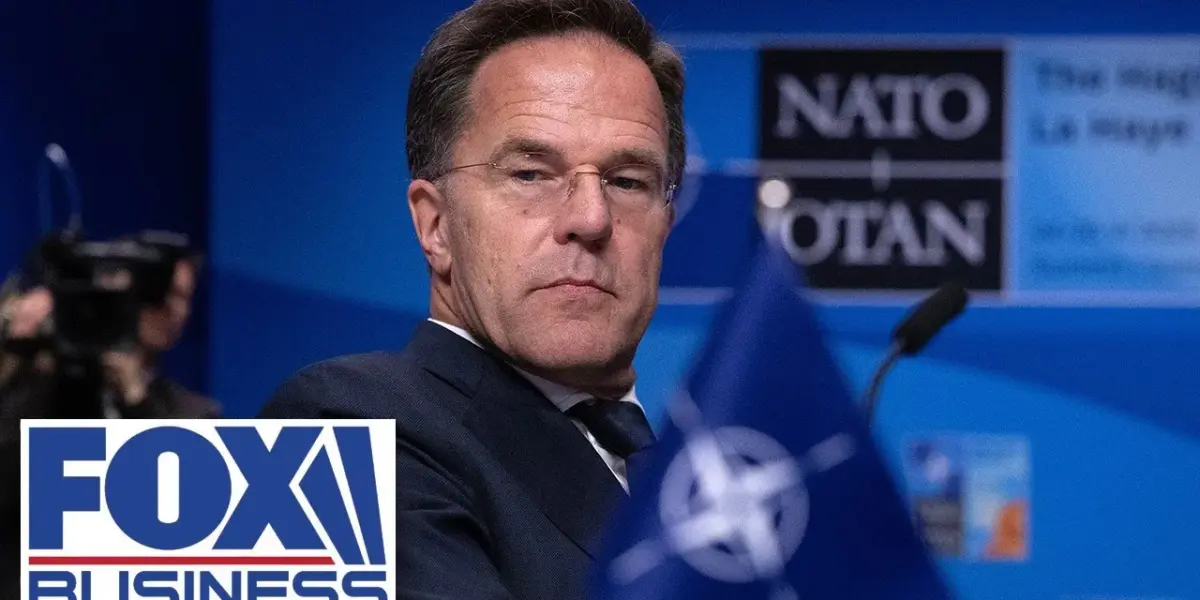
Rutte Warns NATO Faces Crisis Over US Support
NATO Secretary General Mark Rutte recently addressed a critical juncture for the military alliance, highlighting concerns over its future. Speaking at the Ronald Reagan Institute in Washington, D.C., Rutte discussed the challenges NATO faces, particularly regarding its ability to support key operations and adapt to changing geopolitical demands from its most powerful member, the United States.
The discussion comes at a time when NATO is grappling with internal debates and external pressures. A central point of concern is the alliance’s perceived failure to fully back Operation Epic Fury. This operation, along with potential plans from the Trump administration to relocate U.S. bases in Europe, has brought underlying tensions within NATO to the surface. Rutte’s remarks suggest a growing unease about the alliance’s cohesion and its capacity to act decisively in a complex global security environment.
Rutte emphasized the importance of a strong and united NATO. He pointed out that the alliance’s strength relies on the commitment and support of all its member nations. When key allies, especially the United States, signal potential shifts in their support or strategic direction, it can create uncertainty for the entire group. This uncertainty can affect everything from joint military planning to defense spending commitments across Europe.
Market Impact: What Investors Should Know
Geopolitical stability is a crucial factor for global markets. Uncertainty surrounding major military alliances like NATO can create ripples across various sectors. Defense stocks, for instance, are often sensitive to news about international security agreements and military spending. If NATO’s future is in question, it could lead to fluctuations in these companies’ valuations.
Furthermore, economic confidence is tied to global security. A perceived weakening of alliances could dampen investor sentiment, potentially leading to broader market volatility. This is because businesses and investors rely on a predictable international environment to make long-term investment decisions. Major shifts in defense posture or alliance commitments can make future economic growth seem less certain.
For investors, understanding these geopolitical dynamics is key. While specific market movements are hard to predict, a strong and unified NATO generally contributes to a more stable global outlook. Conversely, signs of division or wavering commitment can introduce risk. Investors should monitor developments closely, particularly those involving defense spending, international cooperation, and the strategic priorities of major global powers.
Long-Term Implications for Allies
The core of NATO’s strength lies in its collective security agreement, known as Article 5. This means an attack on one member is considered an attack on all. However, the effectiveness of this agreement depends on the willingness and ability of all members to contribute and support each other’s security needs. Rutte’s comments suggest that this foundational principle is being tested.
The potential relocation of U.S. bases in Europe, if it were to occur, would represent a significant strategic shift. It could alter the military footprint and response capabilities of both the U.S. and its European allies. Such a move would likely require extensive consultation and planning, and could lead to adjustments in defense strategies and resource allocation among NATO members. This kind of change demands careful consideration of long-term security needs.
Rutte’s address serves as a reminder that alliances are dynamic. They require continuous effort to maintain trust, share burdens, and adapt to new threats. The future of NATO hinges on its members’ ability to address these challenges and reaffirm their shared commitment to collective security. The alliance’s ability to navigate these complex issues will shape the security landscape in Europe and beyond for years to come.
The ongoing discussions and potential strategic realignments signal a period of transition for NATO. How the alliance responds to these internal and external pressures will be closely watched by governments, military leaders, and financial markets worldwide. The outcome will influence defense budgets, international relations, and the overall stability of the European continent.
Source: WATCH LIVE: Mark Rutte addresses NATO's future after failing to support the US (YouTube)

Related Articles
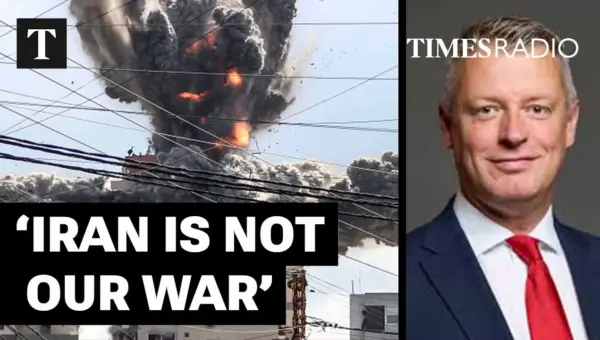
UK Defends Allies But Says ‘Iran Is Not Our War’
Britain is stepping up to defend allies in the Middle East but insists "Iran is not our war," according to the Minister for Defense Readiness and Industry. The UK is focusing on defensive measures and leading international efforts to reopen the vital Strait of Hormuz. The government also addressed concerns about NATO's future and countered Russian aggression against undersea cables.
Iran Tests Global Order Amid Strait of Hormuz Standoff
Peace talks loom as Iran's control over the vital Strait of Hormuz fuels global concern. Analysts question Iran's commitment to agreements, while regional demands and proxy conflicts complicate diplomatic efforts. The situation tests the international order and global energy security.

Iran Deal Faces Skepticism Amid US Scientists’ Mysterious Deaths
Skepticism surrounds potential US-Iran negotiations due to Iran's history of deception. Meanwhile, rising gas prices are blamed on market manipulation, not free capitalism. The discussion also highlights alarming, unexplained deaths of US scientists, raising questions about government transparency and accountability.