Russia’s War Machine Stalls Amidst Internal Strife
Russia's military progress is reportedly halving each month, fueled by internal economic strain and a wave of Ukrainian drone strikes targeting critical infrastructure. Analysts point to growing internal dissent and historical parallels with the collapse of the Tsarist regime.

Russia’s War Machine Stalls Amidst Internal Strife
Vladimir Putin’s regime is facing mounting pressure, with internal weaknesses and external challenges increasingly threatening its stability. The Russian military’s progress on the battlefield has slowed dramatically, a stark contrast to earlier stages of the conflict. This decline is linked to a worsening economic situation within Russia, which is impacting the government’s ability to sustain its war effort.
Declining Battlefield Gains
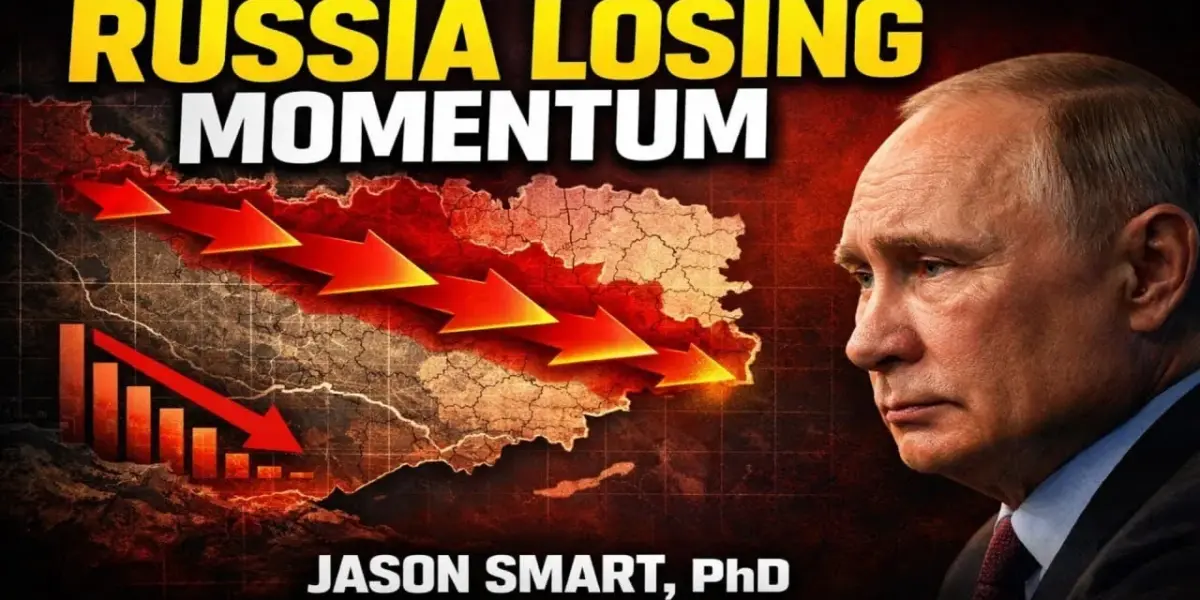
Russia is now losing territory in Ukraine, a significant reversal from previous gains. The pace of Russian advances has reportedly halved each month. In January, Russia reportedly gained about 240 square kilometers. This figure dropped to 120 square kilometers in February and further to just 50 square kilometers in March. In some areas, Russian forces are being pushed back, leading to increased nervousness among soldiers who fear a lack of reinforcements and supplies.
Economic Strain and Infrastructure Attacks
The economic situation in Russia is deteriorating, with the nation’s railway system reportedly burdened by over $50 billion in debt. This financial strain is attributed to a lack of long-term planning for wartime logistics. Compounding these issues, Ukraine has been conducting a sustained campaign of drone strikes deep within Russia. These attacks, numbering over 180 on Russian oil infrastructure, are hindering Russia’s ability to refine oil and conduct business as usual. Drone strikes have also increasingly targeted Russian-occupied Crimea, aiming to disrupt supply lines and isolate the peninsula by targeting bridges, ferries, and airfields.
Internal Divisions and Weaknesses
Analysts suggest that the Putin regime itself is poorly designed, with a small group of elites at the top enriching themselves. As economic resources become scarcer, internal infighting among these elites is reportedly growing, potentially destabilizing the Kremlin. The government’s attempts to control information within Russia, including by limiting internet access in major cities like Moscow and St. Petersburg, have reportedly extended to cutting communications for frontline soldiers. This lack of communication hinders battlefield coordination and could lead to further territorial losses.
Strategic Implications
The combination of battlefield setbacks, economic pressures, and Ukrainian drone strikes presents a significant challenge for Russia. The country’s vast territory, which is difficult to defend comprehensively, makes it vulnerable to attacks on its own soil. Ukraine’s strategy of striking deep into Russia, targeting critical infrastructure like oil refineries and military bases such as the Angles air force base, aims to degrade Russia’s war-making capacity. Attacks on industrial sites, like the Magnitogorsk iron and steel factory, one of Russia’s largest producers, directly impact its ability to produce necessary military equipment.
Ukraine’s attacks are making it physically impossible for Russia to wage war.
Historical Parallels
The current situation within Russia has drawn comparisons to the final years of Tsar Nicholas II’s reign. Like the last Tsar, who presided over a massive yet ineffective military that eventually collapsed, Putin’s regime is seen by some as facing a similar trajectory. The Tsar’s poor leadership is credited with creating a military that was unable to withstand the pressures of war, leading to widespread collapse and ultimately, revolution.
Geopolitical Impact
Russia’s weakened state has implications beyond Ukraine. The country’s reliance on partnerships with nations like Iran, driven by mutual sanctions, means that if one partner falters, the other may not offer significant support. Russia’s global ambitions, aimed at undermining Western interests and causing instability, are facing increasing resistance. The internal focus on survival and managing domestic crises may reduce Russia’s capacity to project power internationally.
The War’s Broader Context
Some analysts view the conflict not merely as a regional war but as a broader confrontation between Russia and the West. Russia’s actions, including alleged cyberattacks and attempts to provoke instability, are seen as part of a long-term strategy to weaken Western democracies. The Russian government’s rhetoric, often referencing World War II, suggests a belief in an ongoing global struggle that they still aim to win, despite current battlefield difficulties.
The ongoing internal struggles and external pressures suggest that the Putin regime is facing a period of significant turbulence. Reports of elites fleeing Russia and difficulties in accessing bank deposits further indicate a worsening economic and social climate within the country. The ultimate outcome remains uncertain, but the current trajectory suggests a weakening of the regime’s grip.
Source: Putin's Progress Halves Every Month (YouTube)

Related Articles

G7 Allies Clash Over Iran War Strategy, Urge Focus on Russia
G7 foreign ministers met in Paris, revealing deep divisions over the U.S. war with Iran. European allies urged the U.S. to pressure Russia, linking its actions to the conflict and fearing support for Ukraine will wane.

Iran Blocks China Ships, Exposing Beijing’s Weak Grip
Iran's recent decision to block Chinese ships at the Strait of Hormuz is exposing the limits of Beijing's influence in the Middle East. This action is causing delays and cancellations for Chinese manufacturers, turning a perceived geopolitical win into an economic strain.
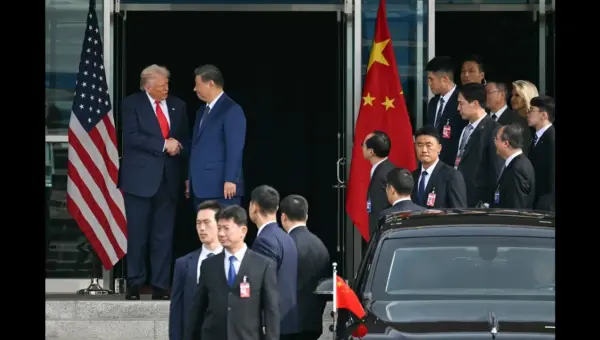
Trump’s “Walk Away” Tactic Signals Tougher Stance on China
Retired Air Force Brigadier General David Stillwell believes President Trump's strategy of being willing to walk away from negotiations puts pressure on China. This tactic, combined with US global actions and strengthened alliances, signals a more assertive American foreign policy.