Russia’s War Machine Faltering Amidst Recruitment Crisis
Russia faces critical manpower shortages as its war in Ukraine drags on, potentially exceeding the duration of the Soviet Union's WWII campaign. Recruitment issues, combined with global weapons supply constraints and shifting geopolitical alliances, are creating significant challenges for Moscow's war machine. Drone warfare and the strategic value of experienced personnel are becoming increasingly important factors.

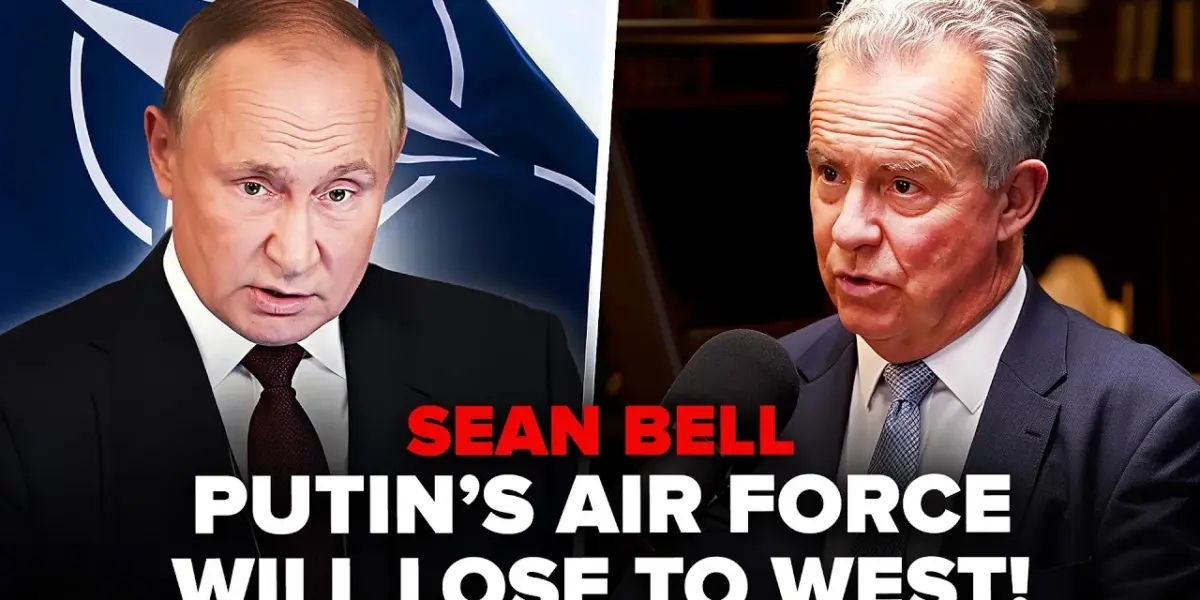
Russia’s War Machine Faltering Amidst Recruitment Crisis
Western intelligence assessments suggest Russia is facing significant recruitment challenges, potentially losing more soldiers than it can replace. This critical weakness comes as Russia’s protracted conflict in Ukraine has now surpassed the duration of the Soviet Union’s war against Nazi Germany. Despite slow, costly advances, Russia’s military appears increasingly strained.
Struggles on the Battlefield
While official Russian Ministry of Defense briefings often highlight positives like economic strain and heavy Russian casualties, the reality on the ground indicates Russia is still advancing. However, these gains are slow and come at an immense cost. Ukraine, meanwhile, faces its own difficulties in sustaining its war effort, particularly in finding enough personnel to continue fighting.
A key development noted by analysts is that, for the first time, the West assessed late last year that Russia was losing more personnel than it could recruit. This contrasts with earlier tactics, such as the Wagner Group’s use of convicts and recruitment from abroad, often with promises of deployment away from the front lines. Many recruits were reportedly sent directly into combat, leading to a realization that promised high pay might not be enjoyably spent.
The conflict in Ukraine has now lasted longer than the Soviet Union’s involvement in World War II. This extended duration places a significant strain on Russia’s resources and manpower.
Strategic Implications: The Recruitment Crisis
Russia’s inability to match its losses with new recruits is a critical vulnerability. Historically, prolonged wars of attrition heavily favor the side with superior manpower reserves. If Russia cannot sustain its troop levels, its ability to conduct offensive operations and maintain control over occupied territories will be severely hampered. This situation could make Russia more susceptible to decisive Ukrainian counterattacks, a prospect President Putin would likely seek to avoid.
The reliance on short-term recruitment tactics, like using convicts, suggests a desperation for manpower. This approach can lead to less experienced and potentially less motivated troops, impacting overall combat effectiveness. The long-term sustainability of Russia’s military campaign is therefore in question.
Weapons Supplies and Geopolitical Shifts
The global supply of advanced weaponry, such as Patriot missile systems and long-range munitions, is limited. Manufacturing new weapons takes considerable time, and current consumption rates, particularly in conflicts like the one in the Middle East, are depleting stockpiles. For instance, the production rate of Patriot missile systems is reportedly around 17 per week, falling short of current demand.
This scarcity makes it increasingly difficult for countries like the United States to supply both Europe for Ukraine and engage in other military operations. The war in Iran, with its high rate of target strikes and associated weapon usage, further exacerbates these supply chain issues.
Furthermore, shifts in geopolitical alliances and priorities, such as former President Trump’s focus on an “America First” policy and potential withdrawal from NATO commitments, create uncertainty. If the U.S. reduces its support, Europe may need to shoulder a greater burden, potentially straining its own military capabilities and economic resources. This could embolden Russia, as it might perceive a weakening of Western resolve and unity.
Drone Warfare and Future Tactics
The transcript highlights the evolving nature of warfare, particularly the significant role of drones. The use of inexpensive Iranian Shahed drones against advanced, costly Western air defense systems like the Patriot missile presents a strategic dilemma. While Western militaries possess superior technology, the sheer volume of cheaper drones can overwhelm defenses and deplete expensive missile stocks.
Ukraine’s expertise in combating drones, gained through its own experiences, is now being shared with Middle Eastern nations. This exchange of knowledge is a shrewd diplomatic move by President Zelenskyy, potentially fostering goodwill and securing much-needed support. Drones are increasingly seen not just as weapons but as integral components of a battle space, providing intelligence, surveillance, and reconnaissance, and potentially even performing tasks previously handled by manned aircraft.
The long-term implications suggest a future where drone swarms and sophisticated electronic warfare capabilities could play a decisive role. Nations that can effectively integrate these technologies into their military doctrines may gain a significant advantage.
The Question of Negotiation and Long-Term Strategy
President Putin’s current stance appears to be one of strategic patience, possibly believing that time is on his side. He may anticipate that Western support for Ukraine will wane, especially if political shifts, like a change in U.S. leadership, occur. Russia has previously indicated a willingness to end the conflict if Ukraine cedes territory, specifically parts of the Donbas region.
However, the perception of Russia’s strength is complex. While military analysts point to Russia’s ongoing, albeit slow, advance, the underlying recruitment issues and the strain on resources cannot be ignored. The key question remains whether Russia can sustain this war of attrition in the long run.
The strategic objective for Ukraine and its allies is to make the cost of continued aggression prohibitively high for Russia. This involves not only providing advanced weaponry but also ensuring a consistent and robust supply chain. The possibility of a Ukrainian counteroffensive, particularly a surprise attack on Crimea, could present a significant strategic setback for Putin, potentially forcing him to the negotiating table.
Ultimately, the conflict’s future hinges on sustained Western support, Russia’s ability to replenish its forces, and the strategic decisions made by leaders on all sides. The current situation suggests a critical summer ahead, which could reveal Russia’s true offensive capabilities and Ukraine’s resilience.
Source: ⚡️Russia’s fatal WEAKNESS exposed! Putin’s war machine starts to CRUMBLE @WorldatStake24 (YouTube)

Related Articles
Ukraine Strikes Russian Oil Refinery, Eyes Iran Threat
Ukrainian forces struck a key Russian oil refinery, disrupting Moscow's war capabilities. Meanwhile, Finland's president urged continued U.S. support for Ukraine, as Kyiv shares its air defense expertise globally amid growing geopolitical complexities involving Iran and potential sanctions against Hungary.


Trump Halts Iran Strikes Amid Stalled Diplomacy
President Trump announced a pause on planned strikes against Iran, citing productive talks, though Iran denies negotiations occurred. Reports also suggest a potential U.S. ground operation on Iran's Hark Island. The situation raises concerns about international support for Ukraine and potential shifts in U.S. foreign policy.
China Sends Old Jets Reborn as Drones Toward Taiwan
China has converted old J6 fighter jets into attack drones, deploying over 200 near Taiwan. These drones could overwhelm air defenses and present a costly challenge for Taiwan's interceptors. This move highlights evolving military tactics and regional tensions.