Russia’s War Casualties: Unreliable Figures Cloud Conflict Data
Determining accurate military casualty figures in the Russia-Ukraine war remains a significant challenge due to unreliable official reports and methodological complexities. Independent analysts are forced to manipulate data and acknowledge significant gaps, highlighting the pervasive misinformation surrounding the conflict's human cost.

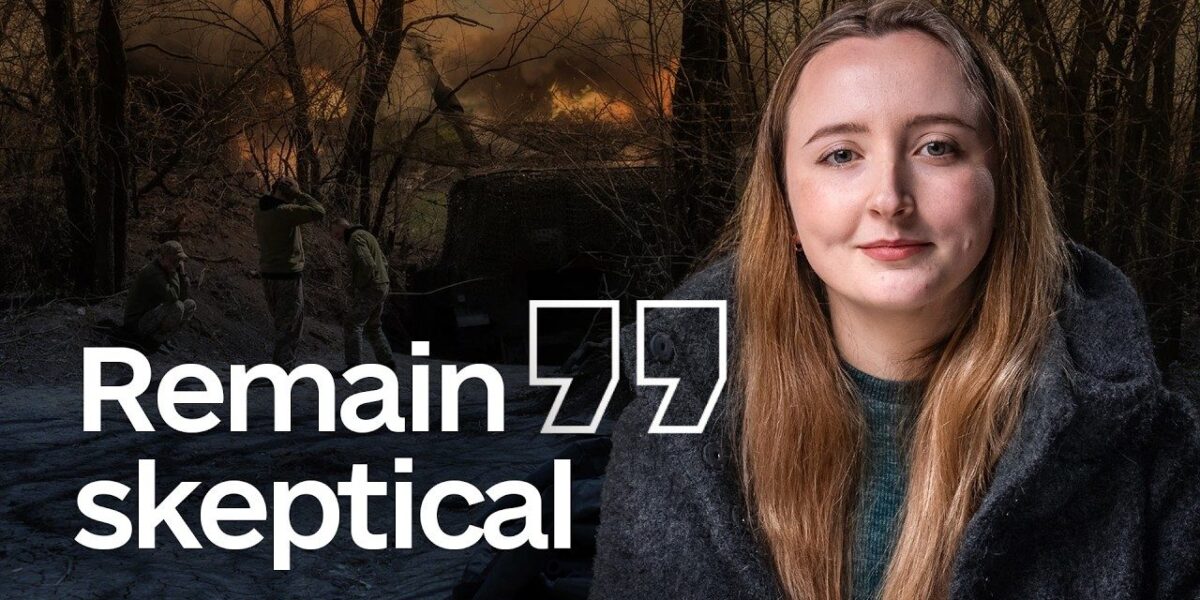
Unraveling the Fog of War: The Challenge of Counting Military Losses
In the ongoing conflict between Russia and Ukraine, one of the most contentious and opaque aspects is the accurate accounting of military casualties. Both sides, along with external observers, face immense challenges in determining reliable figures for killed and wounded soldiers. This difficulty is compounded by a pervasive atmosphere of misinformation, propaganda, and the inherent complexities of wartime data collection.
The Unhinged Nature of Russian Casualty Reports
Independent analysts have expressed deep skepticism regarding the official casualty figures released by the Russian Ministry of Defense. In an interview, an expert stated, “Russian reported casualties are completely unhinged and that I can say confidently because we actually did check that.” The process of verifying these numbers reveals a stark disconnect from reality. When the Russian Ministry of Defense was incorporated as a source, its reported figures were found to be “so far beyond any independent estimates that we can find that we couldn’t in good faith publish that.”
Faced with such outlandish numbers, data trackers resort to drastic measures. “What we did and we do that sometimes if that’s all we have then we just reduce it manually just just reduce it to a random number,” the expert explained. This involves taking reported figures of hundreds or thousands and reducing each to a mere ’10’ in their dataset. This manipulation, while adding up to a number “at least in the realm of reality,” highlights the profound unreliability of the source. The prevailing theory is that these inflated figures originate from propaganda efforts rather than battlefield reports, with the possibility that a single individual may be generating these numbers arbitrarily.
Ukraine’s Casualty Data: Methodological Hurdles
While Ukrainian casualty figures have generally been viewed as more reliable by Western intelligence services over time, their integration into independent datasets is not without its own set of challenges. A significant hurdle lies in the methodology of data collection and reporting organizations. “Fatalities that we record have to be disaggregated enough,” an analyst noted. “A lot of what Ukraine reports is not disaggregated enough for us to use.”
Specifically, data often lacks crucial details such as precise locations or specific dates, making verification difficult. Even when aggregated data is provided, such as daily fatality counts for a broad operational district, it limits the ability to pinpoint specific trends or changes within regions. “Because of that, we record only a portion of Russian casualties – Russian military casualties in our data set,” the expert conceded. Furthermore, Ukraine, like many nations at war, reports “casualties” which can encompass killed, wounded, and missing persons, adding another layer of complexity to verifying precise fatality counts.
“We currently since the beginning of the full-scale invasion have 230,000 military fatalities for both Ukraine and Russia. Due to our methodology, it is a little bit difficult to distinguish between Russian and Ukrainian military fatalities in our data set.” – Interview Excerpt
Estimating the Human Cost: A Difficult Calculus
Despite the methodological difficulties, organizations like the one interviewed strive to compile the most accurate picture possible. As of the interview, their dataset recorded approximately 230,000 total military fatalities for both Russia and Ukraine since the full-scale invasion began. Distinguishing between the two sides proved challenging due to data structure, but an estimated 150,000 of these were attributed to Russian military fatalities. These figures are acknowledged as a “bare minimum” and are lower than estimates from independent sources like Mediazona and iStories, which track obituaries and funeral reports.
The conflict is recognized as the deadliest globally, even with these conservative estimates. The organization’s analysis rarely focuses on military fatalities, instead highlighting trends in fighting intensity and civilian casualties. However, the sheer scale of the conflict places it at the top of global deadliness rankings.
Beyond Battlefield Deaths: Political Violence and Occupied Territories
The scope of tracking extends beyond direct combat. The organization also monitors “political violence,” which includes acts of sabotage and assassinations occurring behind front lines in both Russia and Ukraine. In Ukrainian-controlled areas, these acts are often financially motivated, targeting vulnerable individuals. In Russian-controlled territories, while Ukrainian special services attempt recruitment, a significant portion of these actions are ideologically driven, aiming to resist the Russian regime.
Gathering reliable data from occupied territories presents an even greater challenge. The information environment is vastly different, with a heavy reliance on unverified government sources. Independent journalists and returning POWs offer glimpses, but this information is often delayed and fragmented. The full extent of atrocities in occupied areas, similar to the scale of destruction in cities like Mariupol, may never be fully known without a fundamental change in the information landscape or regime change.
Coping with the Grim Reality
The individuals tasked with tracking these grim statistics grapple with the emotional toll. The sheer volume of data – over 1,500 events recorded weekly in Ukraine alone – can create a sense of detachment, treating data points as mere text and boxes. However, this detachment can shatter when a familiar location appears, bringing the brutal reality of the numbers into sharp focus.
The motivation to continue this harrowing work stems from the belief that documenting the cost of conflict, aggression, and violence is crucial. “The benefit of this work. You try to, you know, record the cost of an armed conflict, the cost of aggression, the cost of violence, and that’s that’s worth something. That is important to me personally,” an analyst shared. This dedication, coupled with a grim adaptation to the ongoing tragedy, underscores the vital, albeit emotionally taxing, role of independent data collection in understanding the true human impact of the war.
Looking Ahead: The Persistent Need for Transparency
As the war continues, the challenge of obtaining accurate and verifiable casualty figures will persist. The discrepancies between official reports and independent assessments, particularly from Russia, remain vast. While Ukraine’s reporting faces methodological hurdles for external analysts, efforts to disaggregate data and incorporate more independent sources are ongoing. The true cost of this conflict, in terms of human lives lost, remains shrouded in uncertainty, underscoring the critical need for greater transparency and reliable data collection in future conflicts.
Source: The problem with counting military losses in Russia's war (YouTube)

Related Articles


Trump’s ‘Casualties’ Remark Ignites Fierce Public Outcry
Former President Donald Trump's recent comments on military casualties have drawn sharp criticism, with critics calling his remarks callous and comparing them to dismissive internet memes. The controversy also highlights broader concerns about the alleged weakening of accountability mechanisms during his administration. The situation has prompted renewed calls for political vigilance and pressure on lawmakers to ensure robust oversight.
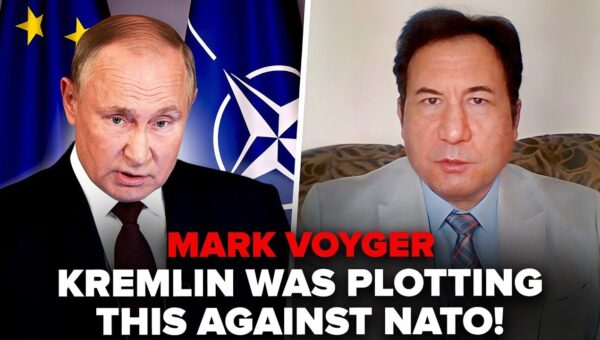
Kremlin Ultimatum Revealed: NATO on High Alert Amidst Russian Response
China's potential role as a peace broker in the Russia-Ukraine conflict is viewed with skepticism, with concerns raised about its impartiality. Meanwhile, Russia's diplomatic maneuvers are seen as part of a broader hybrid warfare strategy, while Hungary's actions under Viktor Orbán are described as consistently pro-Russian, potentially disrupting European unity.

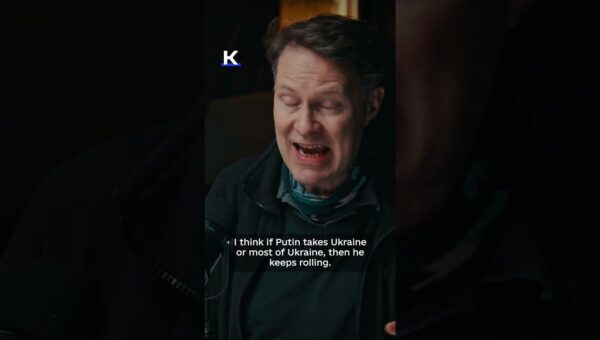
Journalist Luke Harding on Russia’s War and Ukraine’s Global Fate
Journalist Luke Harding shares his insights on Russia's war in Ukraine, drawing from his personal experiences with the FSB in Moscow. He warns that Putin's ambitions extend beyond Ukraine, potentially threatening European stability and the future of democracy.