Russia’s Ukraine War Funds Rise as Mideast Conflict Shifts Focus
Russia is benefiting significantly from the ongoing conflict in the Middle East, with rising oil prices and eased sanctions boosting its war funding by an estimated $150 million daily. Meanwhile, Ukraine faces increasing challenges, including a shortage of air defense systems and potential shifts in international support.

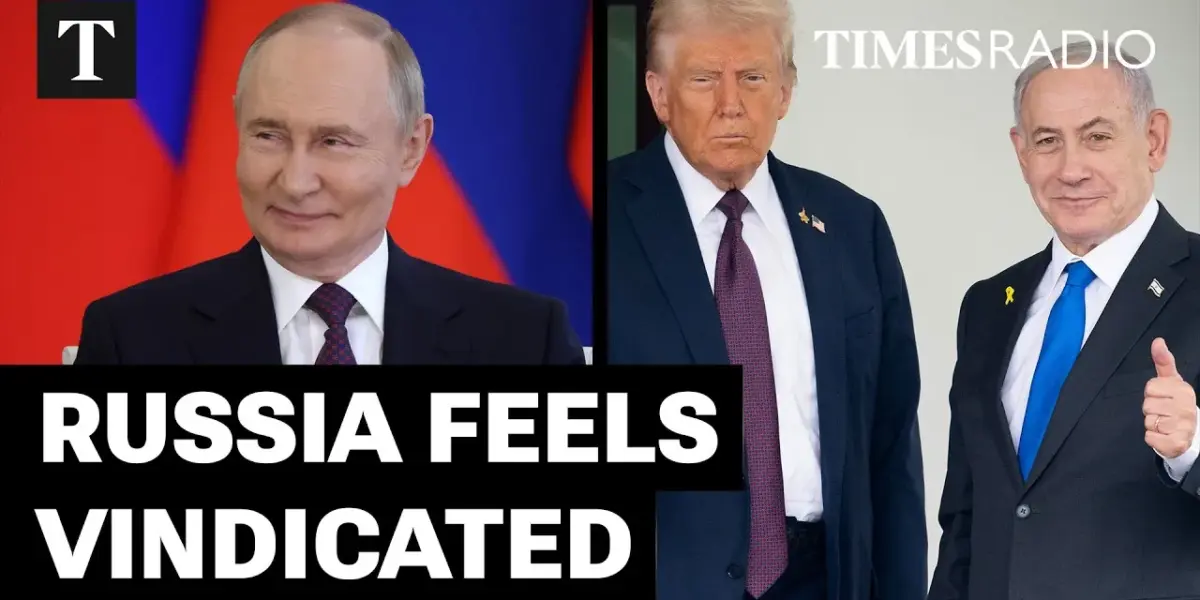
UK Targets Russian Oil Tankers Amid Geopolitical Tensions
British forces are now authorized to board and detain Russian oil tankers operating in UK waters. This move is a direct effort to cut off oil revenues that fund Russia’s war in Ukraine. It marks a significant escalation, moving beyond rhetoric to concrete action. This development highlights how the conflicts in Ukraine and the Middle East are becoming increasingly connected, both economically and strategically. One war drives up oil prices, while the other relies on those higher prices for funding. With no clear end in sight for either conflict, the global economy faces growing instability as each war fuels the other.
Mideast Instability Offers Putin a Strategic Advantage
Former head of MI6’s Russia desk, Christopher Steele, believes the events in the Middle East are a clear benefit to Vladimir Putin. He explained that Russia thrives on global instability. Conflicts elsewhere make oil, gas, and raw materials scarcer, which Russia can then export. This situation has already led to higher oil prices. Additionally, the U.S. has eased some oil sanctions, particularly those affecting India, a major Russian customer. Steele estimates this benefits Russia by at least $150 million per day, directly funding its war efforts.
Russia Benefits from Higher Oil Prices and Eased Sanctions
The boost in oil revenues is substantial for Russia, especially as its economy was showing signs of strain. Steele pointed out that Russia exports much of its oil to countries like China, which are not subject to Western price caps. This creates a double advantage: Russia can export oil more easily, and it fetches a higher price. Meanwhile, Western leaders are trying to refocus attention on Ukraine, but this is complicated by the ongoing events in the Middle East. Critics suggest political motivations behind this renewed focus, especially in light of U.S. pressure regarding support for Ukraine.
Ukraine Faces Growing Challenges on the Battlefield and Beyond
The war in Ukraine is largely a stalemate on the front lines. However, Russia has increased its attacks on civilian targets within Ukraine, especially in western regions. The conflict in the Middle East is making it harder for Ukraine to acquire air defense systems. Steele noted that more air defense missiles have been fired by the U.S. and its allies in the Middle East over the past four weeks than have been supplied to Ukraine since the war began. This poses a significant problem for Ukrainian President Zelenskyy and impacts the defense of Ukraine’s energy infrastructure.
Russia Exploits Mideast Conflict for Political Gains
While Russia and Iran are allies, Russia has not directly intervened in the recent Middle East conflict. Instead, Steele suggests Russia is using the situation to create a narrative of moral equivalence. It seeks to equate the actions of the U.S. and Israel in Iran with Russia’s actions in Ukraine. He highlighted that there are no UN Security Council resolutions covering the U.S. actions in Iran, similar to the situation with Russia’s invasion of Ukraine. This political maneuvering is damaging to Ukraine’s international standing.
U.S. Support for Ukraine Threatened by Mideast War
Adding to Ukraine’s difficulties, reports indicate that the U.S. may withhold defense guarantees unless Ukraine agrees to cede the Donbas region to Russia. This demand is a key objective for Russia and is considered unreasonable by Ukraine. Steele believes the conflict in Iran is politically harming Ukraine’s interests. The potential fall of Iran’s Islamic regime could also have unpredictable consequences, potentially leading to a failed state, which would be detrimental to global stability and the world economy.
Shadow Fleet and Shifting Alliances Raise Concerns
The British action against Russian oil tankers, referred to as the “shadow fleet,” is seen as necessary. These ships pose environmental risks, but more importantly, they have been re-registered under Russian ownership. This increases the risk of military confrontation if interventions are attempted. Steele expressed concern that the U.S. may not actively participate in enforcing measures against the shadow fleet, leaving allies like the UK and France to shoulder the burden. This lack of U.S. involvement could weaken efforts to counter the shadow fleet.
European Solidarity with Ukraine May Waver
There is a risk that European solidarity with Ukraine could weaken as the Middle East conflict deepens. While major powers like France and Germany are expected to remain committed, other European nations may shift their focus. Steele pointed to comments from Belgium’s prime minister regarding a deal with Russia on energy exports and the continued reliance on Russian oil and gas by countries like Slovakia and Hungary. These divisions can hinder the EU’s ability to provide necessary support and sanctions packages to Ukraine, especially when countries like Hungary can veto such measures.
Source: Russia Views US-Israel Attack on Iran As Moral Equivalence For Ukraine War | Christopher Steele (YouTube)

Related Articles

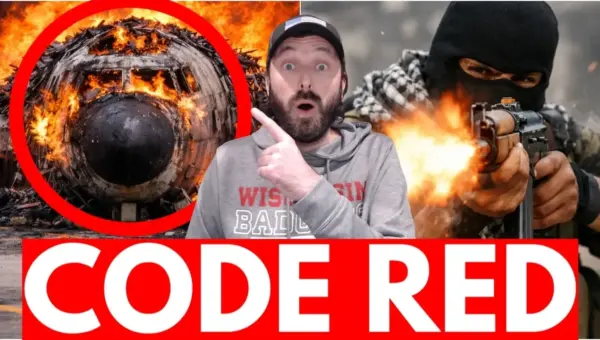
Iran Bombs U.S. Planes, Escalating Mideast Conflict
Iran has directly attacked U.S. aircraft stationed in Saudi Arabia, confirmed by satellite imagery showing significant destruction. This escalation follows other recent incidents and comes amid threats of continued conflict, with officials estimating the war could last several more weeks.
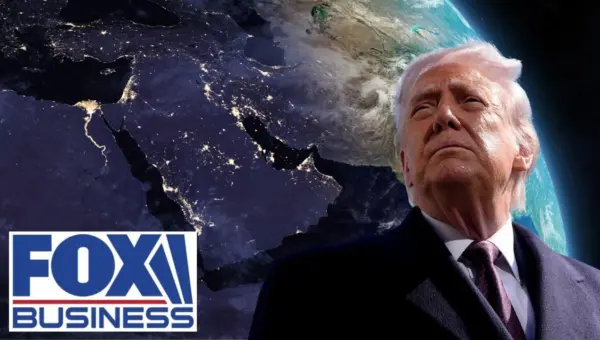
Markets Wobble as Geopolitics Shift Dramatically
Global markets are showing volatility as geopolitical tensions rise, with the Nasdaq nearing correction territory. Concerns over consumer spending, rising costs, and the nation's fiscal health are intensifying. Analysts debate whether current events represent short-term market noise or a fundamental "reinvention of geopolitics" with long-term implications.

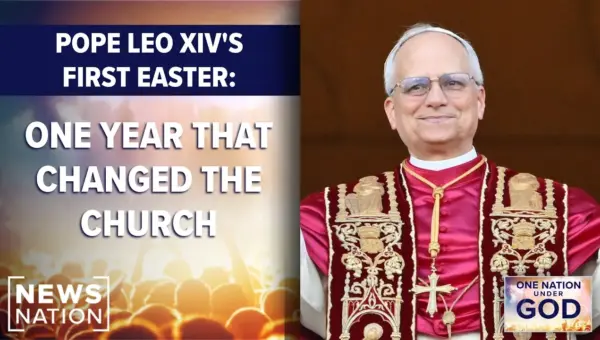
Pope Leo XIV Shifts Vatican’s Global Focus
Pope Leo XIV, the first American pope, brings a unique multicultural background and extensive missionary experience to the Vatican. His election signals a potential shift in the Church's global focus, with an emphasis on peace and contemporary issues like artificial intelligence.