Russia’s TV Dreams of Dividing Europe
Russian state television broadcasts increasingly aggressive rhetoric, discussing the division of Europe and dismissing Ukraine's statehood. This contrasts with battlefield realities and official diplomatic stances, highlighting a dual strategy of projecting strength and seeking geopolitical advantage. Analysts warn that these televised fantasies ignore the ongoing war and Ukraine's fight for sovereignty.

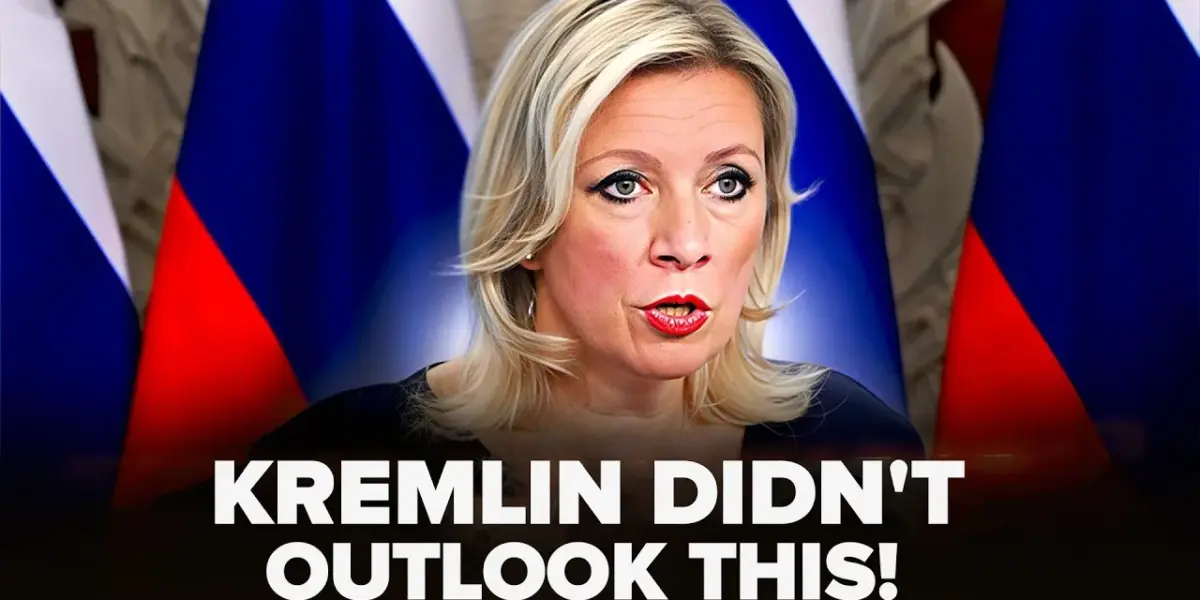
Russia’s TV Dreams of Dividing Europe
Russian state television has broadcasted increasingly aggressive rhetoric, with prominent figures openly discussing the potential division of European territories, a stark contrast to battlefield realities. This commentary, often delivered with confidence, reveals a strategic narrative aimed at projecting strength and influencing perceptions, even as the conflict in Ukraine continues.
Kremlin’s Shifting Narratives
The Kremlin’s propaganda machine appears to be adjusting its messaging as the war in Ukraine progresses. While official spokespersons maintain a diplomatic stance, emphasizing a commitment to negotiated solutions, state television hosts like Vladimir Solovyov have presented a more radical vision. These broadcasts often dismiss Ukraine’s statehood and suggest territorial claims by neighboring countries, including Hungary, Romania, and Poland. Such statements, while shocking, serve a purpose within Russia’s information warfare strategy.
Historical Echoes of Annexation
The rhetoric echoes Russia’s actions in 2014, when it annexed Crimea. At that time, Russia employed a strategy of plausible deniability, using unmarked troops before facilitating a referendum under military observation. This historical precedent highlights a pattern of territorial expansion disguised as legitimate political processes. The current discussions on state television can be seen as an extension of this playbook, normalizing aggressive territorial ambitions.
The ‘Forward Zone’ Doctrine
A recurring theme in Russian state media is the concept of Ukraine as a ‘forward zone’ or an ‘outskirts of Western civilization.’ This framing suggests that Ukraine is merely a tool for Europe to wage war against Russia. Proponents of this view argue that as long as Europe uses Ukraine in this manner, the conflict will remain on Ukrainian territory. However, this narrative ignores Russia’s role in initiating the full-scale invasion in 2022, the largest war in Europe since World War II.
Propaganda vs. Reality
The disconnect between the pronouncements on Russian state television and the realities on the ground is significant. While hosts like Solovyov discuss dividing Europe and eliminating Ukrainian leadership, official statements from Moscow reiterate a willingness to negotiate. This dual messaging strategy aims to both rally domestic support through aggressive rhetoric and maintain diplomatic channels with international actors. However, the persistent claims of Russia being at war with NATO and planning for future conflicts suggest a broader strategic objective beyond the current conflict.
Geopolitical Implications and European Response
The aggressive rhetoric from Russian media has prompted a strong response from European nations. Despite economic pressures, European leaders have largely rejected returning to Russian fossil fuels, viewing it as a strategic mistake that would fund further aggression. Instead, Europe is focused on bolstering its own defense capabilities and supporting Ukraine. The European Commission has emphasized the need to counter Russian influence and maintain a united front against what it perceives as a direct threat to European security.
Sanctions and Economic Warfare
The impact of international sanctions on Russia has also been a frequent topic on Russian state television. Narratives often portray sanctions as ineffective, with hosts claiming the West’s initial predictions of economic collapse were false. However, the underlying message often reveals a concern about Russia’s ability to sustain its war effort. The discussion around seizing Russian assets and using them for compensation highlights the economic dimensions of the conflict, with both sides seeking to gain advantage through financial means.
The Role of Diplomacy and Deception
Russian state media frequently criticizes the West’s diplomatic efforts, accusing it of sabotaging negotiations and deceiving Russia. However, independent observers note that Russia itself has shown little willingness to make concessions or agree to a ceasefire, with its primary demand being Ukraine’s surrender. The contradictory messages—claiming readiness for peace while setting preconditions and issuing threats—underscore the challenges in achieving a genuine diplomatic resolution.
Speculation on Future Leadership
The potential return of Donald Trump to the U.S. presidency has also become a subject of discussion on Russian television. Some figures suggest that a Trump administration could facilitate a division of Europe, with Russia taking what it deems necessary. This speculation highlights a strategic hope within some Russian circles that a shift in U.S. leadership could create new opportunities for Russian geopolitical objectives. The discussion also includes calls for the elimination of Ukrainian President Zelenskyy, revealing a deep animosity towards Ukraine’s current leadership.
Conclusion: Resilience and Truth
In response to the escalating rhetoric and ongoing aggression, Ukrainian officials and analysts emphasize the need for unity, resilience, and courage. They maintain that the only way to counter Russian propaganda and aggression is through steadfast defense of truth and territory. As the conflict continues, the stark contrast between Russia’s televised fantasies and the grim reality of war underscores the importance of critical information consumption and unwavering support for Ukraine’s sovereignty.
Source: 💥Zakharova burst in with unexpected! Solovyov went off rails on air — everyone stunned by statement (YouTube)

Related Articles
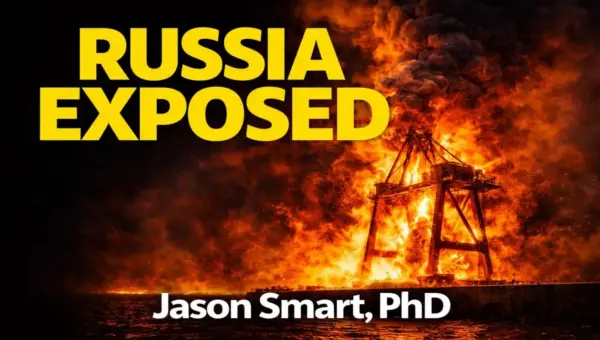
Ukraine Strikes Russian Oil Hubs, Straining War Funding
Ukraine's repeated strikes on Russian oil export terminals are targeting the financial backbone of Moscow's war machine. These attacks aim to cripple Russia's revenue streams and force a costly defense of its energy infrastructure, creating significant economic and political pressure on the Kremlin.
Trump’s Fury Erupts as Iran Vows Retaliation Amidst Escalating Tensions
Former President Donald Trump has reportedly reacted with intense anger following U.S. and Israeli strikes on Iranian steel plants. Iran has vowed massive retaliation, raising concerns about regional stability and potential escalation. This event draws on a long history of U.S.-Iran tensions.

UK Must “Rearm Rapidly” as Old World Order Dies
A new report from UK MPs and peers declares the old liberal international order dead, warning that Britain can no longer rely on the US for defense. The committee urges the UK to rapidly rebuild its military power and forge new alliances with European partners and middle powers to navigate an increasingly dangerous world.