Russia’s Silent Discontent: A Nation’s Quiet Shift
Russia is experiencing a subtle but significant rise in public discontent, fueled by the dissonance between the Kremlin's historical narratives and the realities of the prolonged war in Ukraine. As daily life becomes more restricted and personal costs mount, citizens are quietly questioning official justifications, potentially leading to a shift from fear-driven silence to collective confidence.

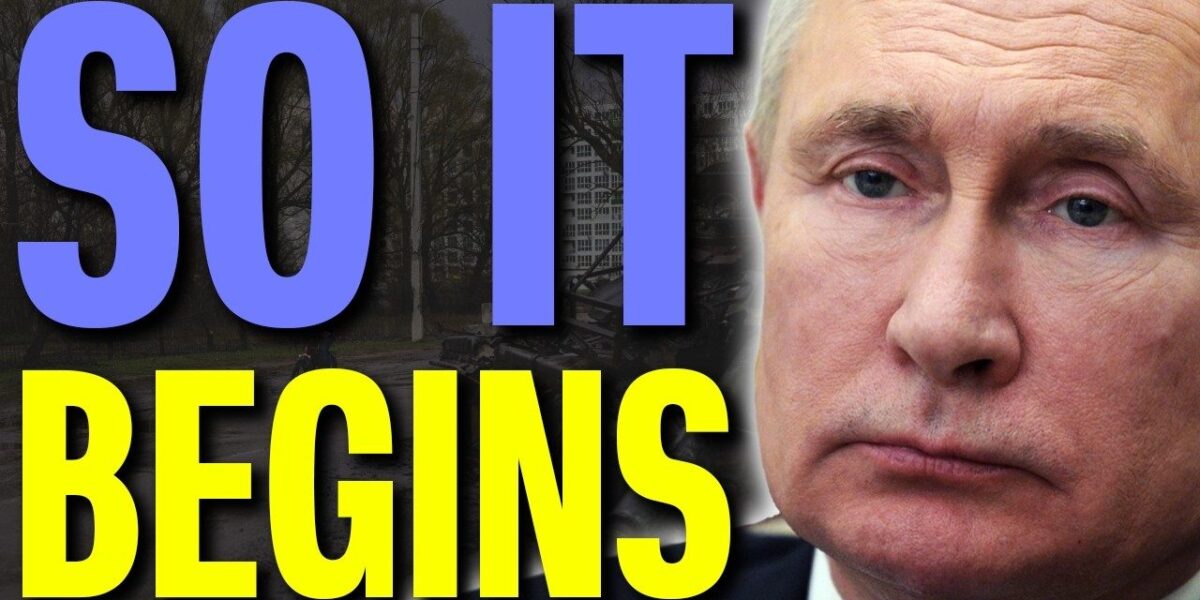
Russia’s Silent Discontent: A Nation’s Quiet Shift
In a subtle yet significant development, the long-standing unspoken agreement between the Russian government and its populace appears to be fraying. For over two decades, many Russians have adhered to a pact of quiet compliance, focusing on private life while the state managed political and military affairs. However, as the war in Ukraine approaches its fourth anniversary, a growing undercurrent of doubt and dissatisfaction is emerging, challenging the Kremlin’s carefully constructed narratives and potentially signaling a new, more volatile phase for the nation.
The Myth That Refuses to Match Reality
The Kremlin frequently invokes historical parallels, particularly the Great Patriotic War (World War II), to frame its current actions. This narrative casts Russia as a nation standing alone against evil, making immense sacrifices for a noble cause, mirroring the heroism of past generations. The official story posits that Russia is once again engaged in a fight akin to its victory over Nazism, a narrative intended to unify and justify the ongoing conflict.
However, this historical framing is increasingly clashing with contemporary realities for ordinary Russians. Unlike the clear objectives and universally understood enemy of World War II, the current war’s aims are often described as vague – protection from an undefined threat, security against unseen dangers, or control over territories unfamiliar to most citizens. The lack of a clear, symbolic end goal, such as the fall of Berlin in the past, leaves many questioning the purpose and duration of the immense sacrifices being demanded. This disconnect is amplified by the international community’s reaction, which largely isolates Russia rather than celebrating its purported liberation efforts, a stark contrast to the global alliance against the Axis powers.
“The war in Ukraine is approaching its fourth anniversary. Four years. Longer than the Great Patriotic War lasted. And once that comparison enters people’s minds, it doesn’t leave. Because suddenly the official story starts falling apart.”
This growing disparity between the official historical narrative and lived experience is fostering skepticism. While the government insists on historical repetition, citizens observe a reality of international isolation and unclear objectives. This dissonance, particularly after years of conflict, is eroding the effectiveness of historical propaganda and prompting individuals to seek alternative explanations for their circumstances.
The Cost That Keeps Arriving Home
Wars, though often discussed in abstract military terms, have tangible and deeply personal consequences for those at home. Initially, many Russians may have felt distanced from the conflict, viewing it as a distant event affecting other regions and families. However, the passage of time erodes this detachment. As personal connections – former classmates, neighbors, colleagues’ relatives – become casualties or are otherwise impacted by the war, it transforms from a distant headline into a personal tragedy.
Beyond the human toll, the war’s economic repercussions are increasingly felt. The civilian economy, increasingly geared towards defense, struggles. Small businesses falter, jobs disappear, and entire professions become obsolete. Meanwhile, the cost of living continues to rise, and daily life becomes noticeably more restricted. This manifests as fewer available stores, a diminished variety of brands and services, and a shrinking landscape of entertainment options, often heavily censored.
Furthermore, communication channels are being curtailed. The disappearance of various messaging apps and the complications surrounding international calls and video chats isolate families and friends separated by borders. The shrinking of these personal connections, coupled with the constant reminders of limitations and uncertainty, fuels a dangerous question: how long must this endure? When an answer remains elusive, the focus shifts from endurance to questioning the fundamental premise of the ongoing sacrifices.
Fear, Silence, and the Breaking Point
The Kremlin’s long-term strategy has heavily relied on cultivating a culture of public apathy and discouraging political engagement. The message has been consistent: stay out of politics, and you will be left alone. Politics is portrayed as dangerous and corrupt, with the individual’s role being to live quietly and avoid attracting attention. This approach, built on the memory of past repressions, has proven effective for years, as fear, even when not constantly present, serves as a potent deterrent.
Russians have learned to self-censor, avoiding sensitive topics, political jokes, and dissenting opinions. Silence has become ingrained. However, this strategy faces a limit when silence no longer guarantees safety or stability. When individuals adhere to the rules, remain politically quiet, yet find themselves poorer, more isolated, and more restricted, the power of fear begins to wane. If adherence to silence does not yield improvement or security, its protective value diminishes.
At this juncture, silence transforms from a shield into a form of complicity in one’s own decline. This realization can foster internal resistance, not necessarily through open rebellion, but through a cessation of pretense – the decision to stop accepting that the current situation makes sense. This shift is not publicly announced but is tested in private conversations, where critical remarks met with agreement rather than shock can signify a change.
“So at some point, silence stops being a shield and starts feeling like complicity in your own decline. That’s when internal resistance forms. Not rebellion yet. Just internal resistance.”
As fear begins to be shared, it can gradually morph into collective confidence. This is the phase the Kremlin most fears, as it cannot be easily legislated away. Once initiated, this shift tends to progress quietly but inexorably.
The Silent Rebellion Taking Shape
The seeds of significant societal change are often sown not in public squares, but in private spaces like kitchens, where honest, albeit quiet, conversations occur. In Russia today, these intimate discussions are reportedly shifting. People are admitting their doubts, their exhaustion, and their disbelief in the official narrative to their closest circles. What initially feels isolating can lead to the realization that they are not alone in their sentiments.
This growing awareness can foster the formation of small, informal, and trusted groups. While these may not appear overtly threatening, they represent a significant mental and social shift. Confidence, unlike fear, can spread more rapidly once critical mass is achieved. This is not a prediction of immediate upheaval or calls for chaos, but rather a description of a slower, potentially more inevitable process: a society that has lost faith in its current narrative but has not yet determined its future direction.
The Kremlin’s strategy has long depended on maintaining the illusion of public isolation regarding dissent. When this illusion dissolves, the collective strength of millions who share these doubts becomes a powerful, albeit silent, force. This silent rebellion waits, and if consistently ignored, it risks becoming less silent. The current situation is characterized not by dramatic explosions, but by the steady build-up of pressure within a constrained system – a system grappling with historical myths that no longer resonate, sacrifices that feel unjustified, and a shrinking quality of life.
The most unstable phase for any system, the analysis suggests, is not when people are shouting, but when they quietly cease to believe. Crossing this threshold marks a point of no easy return, indicating a fundamental shift in public consciousness that could have profound long-term implications for Russia’s future.
Source: "IT'S STARTING": Russia Begins to BOIL OVER. (YouTube)

Related Articles

Iran’s Regime Under Siege: Attacks Cripple Leadership, Impact Russia
Iran's regime is reportedly facing critical blows from targeted attacks, crippling its leadership and severing a vital military supply line to Russia. This dual pressure is significantly impacting Russia's war efforts in Ukraine, while internal dissent grows within Iran.

Putin’s Grip Weakens: Journalist Sees Russia’s Endgame
British journalist John Sweeney asserts that Vladimir Putin cannot afford to end the Ukraine war, as doing so would expose its futility and threaten his rule. He calls for stronger Western sanctions and increased aid to Ukraine, predicting a gradual erosion of Putin's power driven by economic pressures and internal dissent.

Ukraine Strikes Deep: Russia’s ‘Untouchable’ Assets Hit
Ukraine has successfully launched long-range drone attacks deep inside Russia, hitting a crucial chemical plant in Perm and an oil terminal in Krasnodar. These strikes dismantle Russia's perceived geographical safety and target key economic lifelines, impacting its ability to sustain the war effort. The attacks highlight Ukraine's evolving strategy of systematic disruption and innovative use of technology, including high-altitude balloons, to degrade Russian capacity.