Russia’s Shadowy Role Fuels Iran’s Regional Threat
A British military base in Iraq was struck by an Iranian drone swarm, highlighting the deepening military alliance between Tehran and Moscow. While defenses intercepted most drones, the attack underscores the escalating regional tensions and the growing threat posed by the Russia-Iran axis.

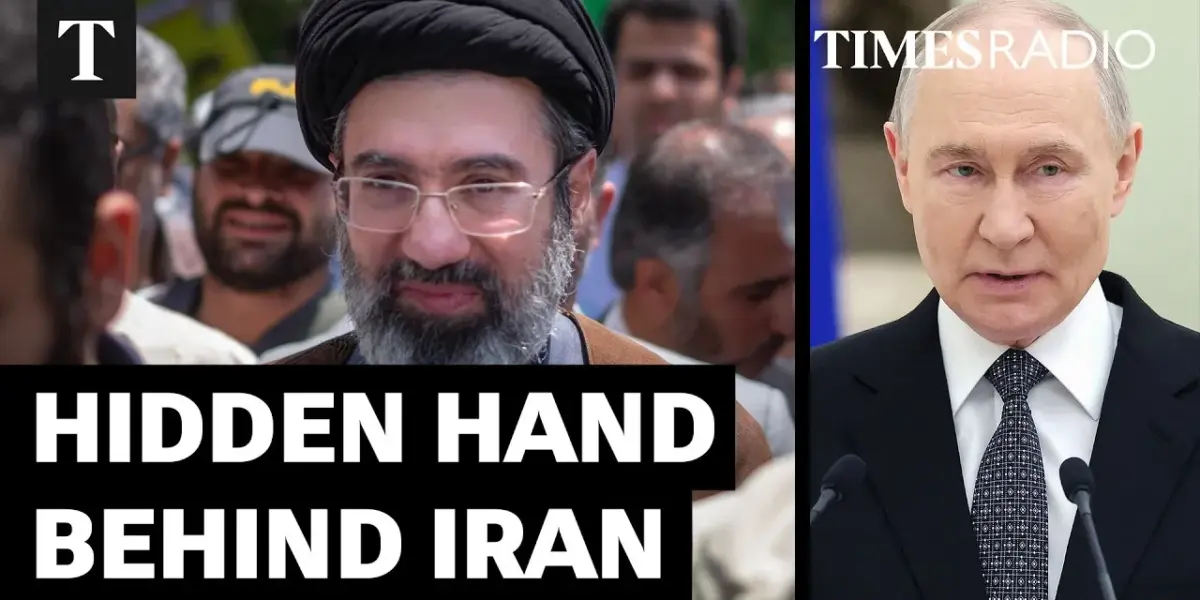
UK Base Attacked as Russian-Iranian Axis Tightens
A British military base in Iraq was targeted by an Iranian drone swarm on Tuesday, marking a significant escalation in regional tensions. The attack, which occurred at the airport near Erbil, saw approximately 20 drones launched, with a small percentage reportedly breaching defenses. While no British personnel were injured, some American service members sustained minor injuries. The incident underscores the growing instability in the Middle East and highlights the increasingly intertwined military cooperation between Iran and Russia.
Defense Secretary Confirms Growing Axis of Aggression
British Defense Secretary John Healey addressed the attack, stating that the UK has maintained a team at the base in Erbil since the conflict began, focused on intercepting drones and protecting personnel. He described the incident as part of a broader operation to bolster regional defenses. Healey explicitly linked the attack to a “growing axis of aggression” between Russia and Iran, citing Russia’s extensive use of Iranian-style drones in Ukraine and the adoption of similar tactics by Iran in its regional operations. “We see from Iran some of the same tactics we see from Russia in Iran,” Healey stated, emphasizing that the links between these two nations pose a wider threat.
Iran’s New Leader Issues Defiant Statement
The attack coincided with the first public statement from Iran’s new Supreme Leader, Moshtaba Kani. Following the recent killing of his predecessor and other family members, Kani issued a defiant message calling for the closure of U.S. bases in the region, warning of further attacks if his demands are not met. His statement, delivered shortly after the drone strike on the Iraqi base, signals a continuation of Iran’s hardline stance against perceived foreign interference.
Expert Analysis: A War of Choice with No Clear Exit
Aaron David Miller, a former Middle East negotiator for the United States and senior fellow at the Carnegie Endowment for International Peace, offered a stark assessment of the ongoing conflict. He characterized the war as a “war of choice” rather than necessity, suggesting that the initial justifications for the strikes may have been based on flawed intelligence. Miller pointed to statements from former President Trump regarding Iran’s nuclear capabilities and imminent threats, which he claims were false. This, he argues, sets a higher bar for success and raises questions about the lack of a clear exit strategy.
“The basic problem remains the same. Yes, the administration has degraded seriously Iran’s ballistic missile inventory, its production facilities. It shredded to some degree what remains of the nuclear infrastructure… But the the basic flaw here is if the regime is not removed, then in fact it is only a matter of time that the Iranians rebuild, recoup, re-energize.”
Miller expressed concern that even with significant degradation of Iran’s military capabilities, the regime’s survival would only lead to a rebuilding and re-energization of its forces. He also highlighted the immense cost of munitions expended, which could be critical for potential future threats in the Asia-Pacific region, particularly concerning Taiwan.
The Russia-Iran Drone Nexus: A Global Threat
Richard Spencer, The Times’ foreign correspondent, provided on-the-ground insights from Iraqi Kurdistan. He confirmed that both British and American intelligence believe Russia has provided crucial intelligence to Iran to aid its attacks. Beyond intelligence sharing, the cooperation extends to military hardware. Russia supplies Iran with ground-based air defense systems, while Iran has been a key supplier of its indigenously developed “Shahed” drones to Russia for use in Ukraine. Spencer explained that Ukraine has become a vital testing ground for this new drone technology, with the lessons learned now feeding back into Iran’s offensive capabilities against its neighbors.
Kurdistan’s Fragile Stability Under Threat
Spencer also detailed the attack on the base in Erbil, describing it as a U.S. military facility with a British presence, part of a long-standing cooperation with the Kurdish autonomous region. He spoke with Serwan Bazani, head of the military command in Erbil, who confirmed that while the majority of drones were intercepted, a small percentage got through, resulting in minor American casualties. Bazani expressed bewilderment at the attack, emphasizing that Kurdistan has strived to remain neutral and has not been used as a staging ground for attacks against Iran. The incident highlights the vulnerability of this semi-autonomous region, which seeks to maintain good relations with its neighbors.
Geopolitical Chessboard: Iran’s Oil Leverage
Miller elaborated on the broader geopolitical implications, noting that Iran’s geographical position grants it significant leverage, particularly concerning the Strait of Hormuz. As long as Iran possesses the capacity to disrupt global oil supplies through short-range ballistic missiles and drones, it can continue to hold the global economy to ransom. This capability undermines the security and prosperity that Gulf states were beginning to rely on as regional stability seemed to improve. The prospect of Iran’s regime being removed, Miller suggested, is negligible, and without such a change, the fundamental issues driving the conflict will persist.
Looking Ahead: An Unresolved Conflict?
As the conflict enters its second week, the situation remains precarious. The coordinated actions of Iran, bolstered by Russian support and intelligence, coupled with the complex political landscape and the absence of a clear diplomatic off-ramp, suggest a prolonged period of regional instability. The effectiveness of military actions against Iran’s capabilities is juxtaposed against the resilience of the regime itself, leaving the ultimate outcome of the conflict uncertain and potentially extending far beyond initial expectations.
Source: The Hidden Russian Operation Behind Iran | Richard Spencer (YouTube)

Related Articles


Stocks Ignore War Risks, Focus on “Taco Moments”
Stock markets appear to be overlooking the severe supply chain risks stemming from the Iran conflict, focusing instead on potential diplomatic de-escalations. While the S&P 500 shows resilience, bond and commodity markets signal deep concern over disruptions to critical resources like LNG, helium, and fertilizers.

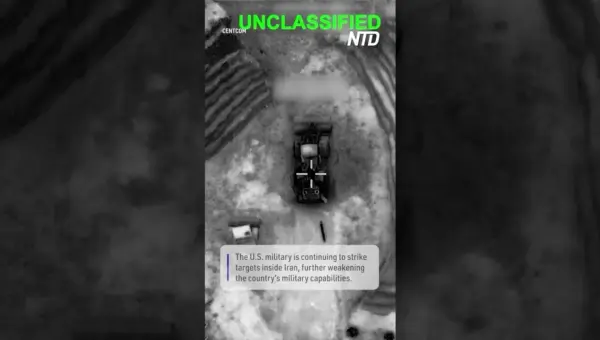
US Strikes Cripple Iran’s Military Might, CENTCOM Reports
U.S. Central Command reports ongoing strikes inside Iran are significantly weakening its military power. This direct action aims to reshape regional security dynamics, but carries risks of escalation. The long-term impact depends on Iran's response and ability to adapt.

U.S. Iran Tensions Rise Amid Shifting Alliances
Rising tensions between the U.S. and Iran are creating a volatile geopolitical situation. With conflicting signals on de-escalation and potential shifts in alliances like NATO and U.S.-Israel relations, the path forward remains uncertain. The global economy and regional stability hang in the balance.