Russia’s Ruble Support Weakens, Currency Faces Decline
Russia is set to withdraw support for its national currency, the ruble, which has been artificially strengthened through capital controls and market interventions. As oil revenues fall and the country prioritizes its reserves, analysts predict a significant depreciation of the ruble.

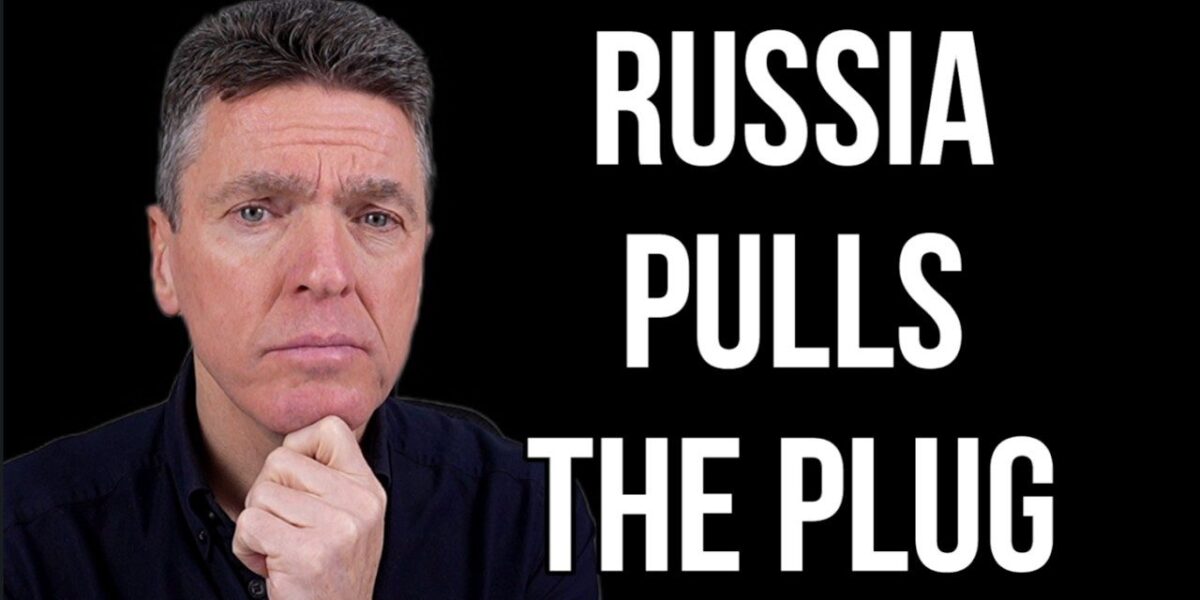
Russia Shifts Economic Strategy, Ruble Support Ebbing
In a significant pivot of its economic policy, Russia is set to withdraw support for its national currency, the ruble. For the past year, the ruble has defied expectations, emerging as one of the world’s strongest currencies. However, this strength has been largely artificial, propped up by a combination of stringent capital controls, high interest rates, and direct intervention in currency markets. Now, as Russia prioritizes its national reserves and grapples with falling oil revenues, analysts predict a potential sharp depreciation of the ruble.
The Pillars of Ruble Strength Revealed
The ruble’s surprising resilience over the past 12 months can be attributed to three primary factors. Firstly, Russia implemented strict capital controls, significantly limiting the ability of individuals and entities to move money out of the country. This prevented large-scale sell-offs of the ruble and kept foreign currency within its borders. Secondly, the Central Bank of Russia aggressively raised interest rates to a high of 15.5%. This policy, in theory, makes holding rubles more attractive for investors seeking higher returns, although its practical impact in the current economic climate is debatable.
The third and arguably most crucial factor has been Russia’s active intervention in the foreign exchange market. Despite international sanctions, Russia remains heavily reliant on oil and gas exports, with revenues primarily generated in U.S. dollars or Chinese yuan. Instead of allowing these foreign currency earnings to accumulate, Russia has been systematically selling them on the open market. This process, where dollars and yuan are exchanged for rubles, directly inflates the ruble’s value, creating the illusion of economic strength.
The Paradox of a Strong Ruble
Ironically, the artificially strong ruble has become a detriment to Russia’s own economy. Since oil is priced in dollars, a stronger ruble means that when these revenues are converted back into the national currency, the government receives less in ruble terms. This, coupled with declining oil revenues due to sanctions and market shifts, has led to a rapidly widening budget deficit. The strength of the ruble, therefore, is not a reflection of a robust economy but a consequence of policies that are now proving counterproductive.
“The ruble hasn’t been strong because Russia is strong. It’s been strong because it’s been propped up. And now Russia is about to stop doing that.”
The negative repercussions extend beyond government revenue. Russian exporters are also suffering, as they receive fewer rubles for their goods when converting foreign currency earnings. While imports technically become cheaper, the effectiveness of this is severely limited by sanctions, which restrict the availability of goods that can be imported. Consequently, a strong currency that benefits no one – not the government, not exporters, and not the broader economy struggling under high interest rates – has become a central economic paradox for Russia.
The Budget Rule Reversal and Its Implications
The turning point appears to be Russia’s adherence to its fiscal ‘budget rule.’ This rule dictates that excess revenues from high oil prices should be channeled into the National Wealth Fund, the country’s sovereign reserve fund. Historically, these funds have been used to smooth out economic volatility and, more recently, to prop up government spending and the ruble’s value.
However, the policy is now being reversed. Russia plans to redirect a larger portion of its oil revenues into the National Wealth Fund. While seemingly a prudent move to bolster reserves, this decision has a significant consequence for the ruble. By saving these funds rather than injecting them into the market, Russia will reduce its sales of foreign currency. This means fewer dollars and yuan will be sold, leading to fewer rubles being bought, thereby removing a critical pillar of support for the currency.
Forecasting a Ruble Decline
The shift in policy is expected to trigger a substantial weakening of the ruble. Analysts are closely monitoring the situation, with forecasts suggesting a sharp decline is possible, potentially reaching levels around 100 rubles to the U.S. dollar by 2026. This projection is based on the convergence of falling oil revenues and the removal of artificial currency support.
Russia now faces a critical choice: maintain support for its currency at the expense of its foreign reserves, or prioritize the accumulation of reserves, allowing the ruble to weaken. Current indications suggest the latter path is being chosen, implying that the ruble may soon begin to reflect the underlying realities of Russia’s strained economy rather than its artificially inflated value.
Looking Ahead: The Ruble’s New Reality
The coming months will be crucial in observing the ruble’s trajectory. As Russia steps back from its currency support mechanisms, the market’s reaction will be closely scrutinized. The potential for a significant depreciation poses new challenges and opportunities for Russia’s economic landscape, international trade, and the purchasing power of its citizens. The world will be watching to see if the ruble’s new reality aligns with the economic pressures it faces.
Source: RUSSIA Pulls The Plug (YouTube)

Related Articles


Iran’s Regime Under Siege: Attacks Cripple Leadership, Impact Russia
Iran's regime is reportedly facing critical blows from targeted attacks, crippling its leadership and severing a vital military supply line to Russia. This dual pressure is significantly impacting Russia's war efforts in Ukraine, while internal dissent grows within Iran.


Iran’s Oil Leverage: Strait of Hormuz and Geopolitical Chess
Iran's strategic control over the Strait of Hormuz, a vital oil chokepoint, and its role as a key oil supplier to China and Russia grant it significant global leverage. This dynamic, coupled with regional security concerns, profoundly impacts energy markets and U.S. foreign policy.

Ukraine Strikes Deep: Russia’s ‘Untouchable’ Assets Hit
Ukraine has successfully launched long-range drone attacks deep inside Russia, hitting a crucial chemical plant in Perm and an oil terminal in Krasnodar. These strikes dismantle Russia's perceived geographical safety and target key economic lifelines, impacting its ability to sustain the war effort. The attacks highlight Ukraine's evolving strategy of systematic disruption and innovative use of technology, including high-altitude balloons, to degrade Russian capacity.