Russia’s Global War Falters: Putin Faces Mounting Crises
Russia's war in Ukraine is revealed as part of a larger global conflict, with Moscow facing internal instability and economic strain. Facing mounting pressures, the Kremlin is employing distraction tactics and seeking unreliable allies, while its strategic miscalculations have led to significant global ramifications.

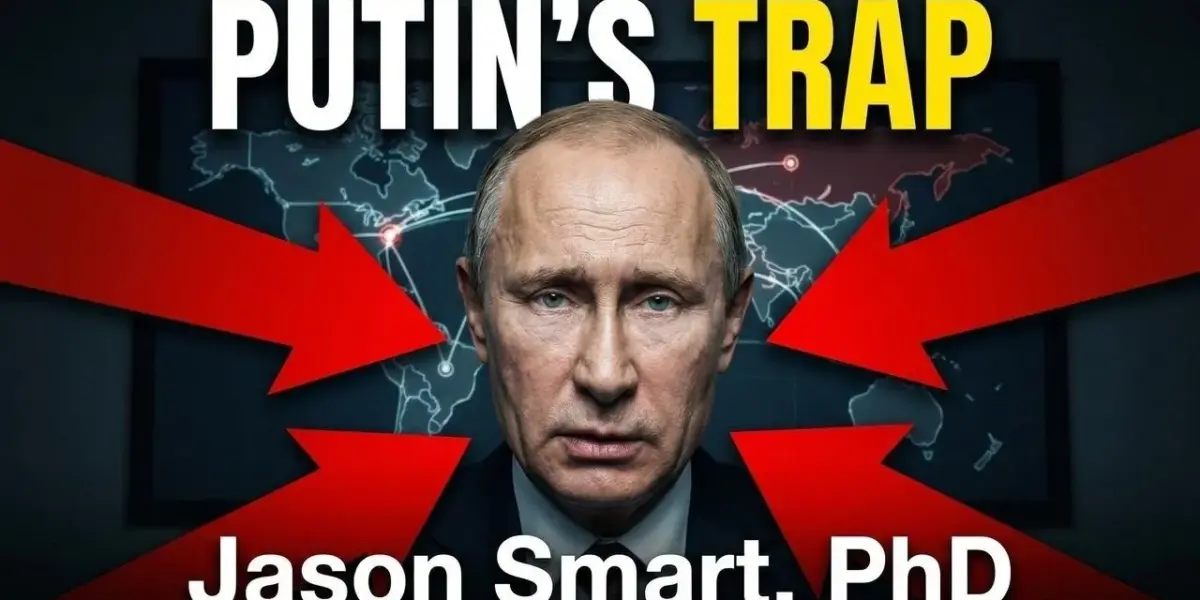
Russia’s Global War Falters: Putin Faces Mounting Crises
In a complex and increasingly volatile international landscape, Russia finds itself at a critical juncture, its long-standing global strategy now exposed and challenged. The ongoing conflict in Ukraine, once framed as a localized operation, is now openly acknowledged by Moscow as merely one battle in a much larger, global confrontation with the West. For years, Russia has operated under the belief that it is at war with Western influence, viewing the United States, Canada, the UK, and all of Europe as adversaries. This assertion is underscored by recent revelations of Russia providing intelligence to Iran, which has subsequently been used in attacks resulting in American casualties. Furthermore, Russia is reportedly aiding Iran-backed terrorist organizations in targeting Western interests, a trend that extends to the production of destabilizing drones utilizing parts manufactured in Russia.
Desperate Measures and Shifting Focus
The current situation reveals a significant strain on Russia’s capacity to sustain its military objectives, both in Ukraine and on a broader global scale. This internal pressure is compelling Moscow to employ desperate tactics to divert international attention away from its failures in Ukraine and towards Iran. The strategic hope is that by focusing global scrutiny on Iran’s actions, Russia can evade examination of its own shortcomings. However, this gambit is unlikely to succeed long-term, as mounting evidence suggests that Vladimir Putin’s grip on power is becoming increasingly precarious.
“For Vladimir Putin, things are getting much much more unstable than he’d like to admit. And in fact, it’s getting so bad that within Russia, there are more questions. And all signs are pointing to the same outcome. That for Vladimir Putin, time is running out.”
– Dr. Jason Smart, Special Correspondent and National Security Adviser
Internal Pressures Mount as Economy Weakens
Domestically, Russia is grappling with severe economic challenges. German intelligence reports indicate that Russia’s national debt is significantly higher than publicly disclosed figures, raising serious questions about its financial capacity to wage an extended global conflict. The prospect of a national draft, a move likely to be deeply unpopular, looms as a potential source of internal instability. Dr. Jason Smart, a special correspondent and national security adviser, highlights this precarious internal situation, noting that “Russia today is not doing well. If it’s doing well, you would not see Vladimir Putin panicking.” The observed periods of Putin’s absence from public view are interpreted as signs of deep concern over domestic stability rather than external threats.
Strategic Miscalculations and Global Ramifications
Russia’s strategic miscalculations are becoming increasingly apparent. Despite committing over 1,200,000 soldiers killed or injured, Russia has secured only approximately 12% of Ukrainian territory. This lack of significant progress fuels internal pressure, forcing desperate measures such as compelling university students to undergo drone warfare training. This dependency on external sources, particularly Iran, for critical components like drone engines, highlights a significant vulnerability. The decision to supply Iran with weapons that have been used to kill Americans represents a grave error, potentially shifting public sentiment in the United States and increasing pressure on Washington to take a firmer stance against Russia.
The Pursuit of Power and Unreliable Allies
For Vladimir Putin, the paramount objective remains self-preservation and the continuation of his regime. While willing to expend the lives of others, he is reportedly reluctant to take personal risks that could jeopardize his own position. His worldview, characterized by a cynical view of humanity, allows for the expendability of people as mere resources. This ideology extends to his willingness to support terrorist organizations globally, a tactic aimed at projecting strength and securing wealth to ensure his regime remains unchallenged. However, his reliance on allies like Iran is becoming increasingly problematic, as Iran’s own capacity to provide support may be limited.
China’s Hesitation and Internal Instability
Even potential partners like China appear hesitant to fully commit to Russia’s global ambitions. While China offers some support to Iran, it has not matched Russia’s level of involvement. Furthermore, China is facing its own internal economic slowdown and growing concerns about domestic stability, evidenced by Xi Jinping’s efforts to tighten control over the People’s Liberation Army and the removal of deputies, including military officers, before the latest legislative session. This focus on foreign infiltration and sabotage suggests a high level of internal anxiety within Beijing, potentially limiting its capacity to act as a reliable strategic partner for Russia.
Distraction Tactics and Electoral Interference
Faced with shortages, economic woes, and a deficit of approximately 9,000 soldiers per month, the Putin regime’s primary strategy is distraction. This includes fostering conflicts in regions like Hungary, where Viktor Orbán’s government is reportedly receiving assistance from Moscow in election-related matters. Putin’s vision of a battlefield extends beyond Ukraine to include electoral processes, as seen in past attempts to influence elections in Georgia, Moldova, and Romania. The goal is to install supportive governments that can be manipulated to serve Russian interests and regional influence.
A Global Chessboard of Uncertainty
Putin’s strategy appears to involve a complex global chessboard, aiming to distract the West with events such as U.S. counter-narcotics operations in Ecuador. He may even hope for attacks on NATO countries, which would compel the West to redirect defensive resources away from Ukraine towards collective security. However, the reality in Moscow suggests a far less assured picture. The government is increasingly seizing assets and struggling to meet its financial obligations. Despite Putin’s self-perception as a master strategist, his administration appears to be faltering, with a critical miscalculation evident in the prolonged duration of the conflict, which has now surpassed 1,472 days.
Source: Kremlin's Global War Teeters (YouTube)

Related Articles

Iran Apologizes to Neighbors Amid Escalating Regional Conflict
Iran's President Masoud Pezeshkian has apologized to Gulf neighbors for recent attacks amid escalating conflict with the US and Israel. Despite the apology, questions linger about Iran's internal command structure and the reliability of its assurances as the region faces heightened instability.


Oil Prices Surge as Strait of Hormuz Blockade Hits China
Disruptions in the Strait of Hormuz have sent oil prices soaring, with traffic down 70% and over 150 ships stalled. Analysts link the blockade to a U.S. strategy to curb China's economic rise, potentially pushing oil prices above $100 per barrel.

US Mideast War Fuels Putin’s European Energy Chokehold
A US-led conflict in the Middle East has closed the Strait of Hormuz, creating an energy crisis that empowers Vladimir Putin to put Europe in a chokehold. Despite claims of decoupling, Europe's continued reliance on Russian LNG, coupled with limited alternatives, leaves it vulnerable to escalating prices and potential de-industrialization.