Russia’s Economic Collapse Accelerates as Kremlin’s ‘Vertical of Power’ Shows Cracks Under War Pressure
Russia's centralized power structure is showing severe strain as the Ukraine war drains national resources and creates systemic failures. With oil revenues plummeting 46% and budget deficits soaring 500% above projections, the Kremlin's ability to maintain control across its vast territory is increasingly questionable.

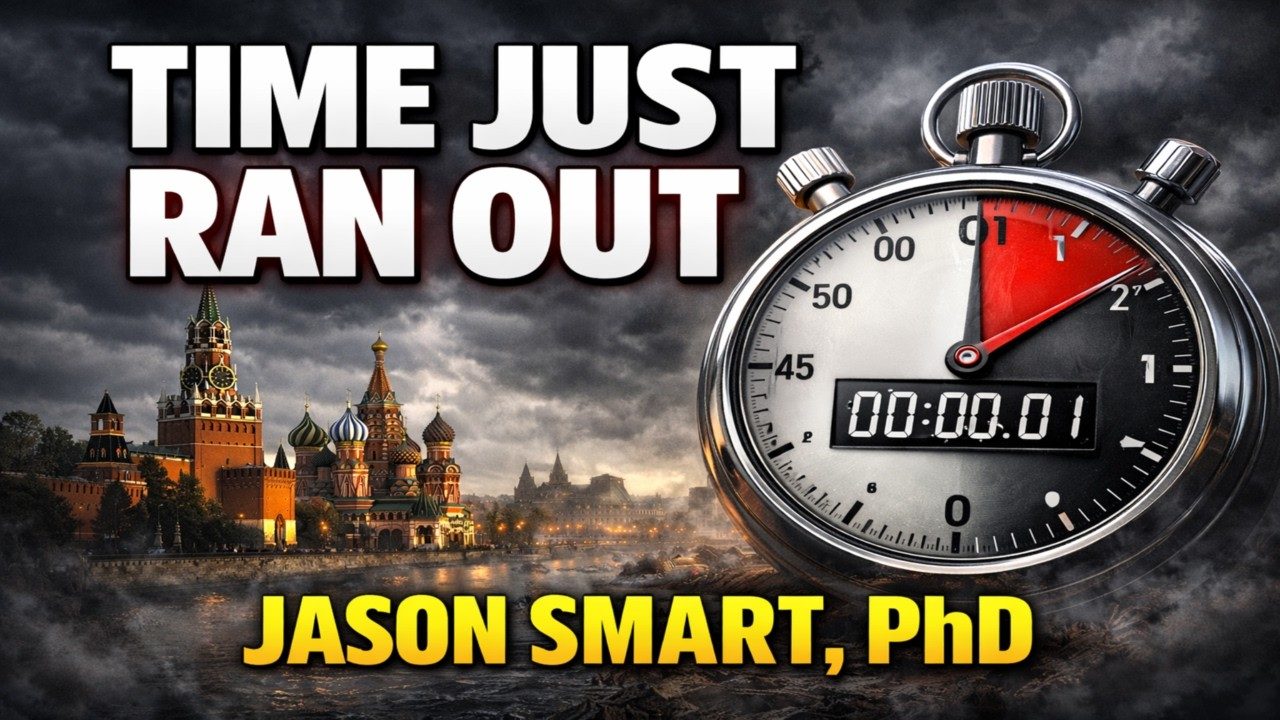
Russia’s Economic Foundation Crumbles Under War Pressure
Russia’s highly centralized power structure, which President Vladimir Putin calls the “vertical of power,” is experiencing unprecedented strain as the ongoing conflict in Ukraine creates cascading economic and institutional failures across the nation. According to national security analysis, the Kremlin’s traditional model of governance—built on internal protection and steady cash flows—is breaking down as resources are diverted to sustain military operations.
The centralized system that once allowed Moscow to maintain tight control over Russia’s vast territory is now becoming a liability. When disruptions occur at the center, their effects ripple throughout the entire federation, creating vulnerabilities that threaten the regime’s stability.
Devastating Budget Crisis Emerges
Russia faces an unprecedented fiscal crisis that exposes the fundamental weaknesses of its economy. Tax revenues from oil and gas—traditionally the backbone of Russian state finances—have plummeted by more than 46%. This dramatic decline has created a massive budgetary gap that threatens the very foundations of state operations.
The budget deficit has already reached nearly 3% of the total economy, a figure that represents a staggering 500% increase over initial government projections for the year. This massive shortfall highlights the regime’s inability to accurately forecast or manage its financial resources during wartime.
Perhaps most concerning is the rapid depletion of Russia’s National Wealth Fund, designed as a financial buffer for economic downturns. The liquid portion of this critical reserve has dwindled to approximately $52 billion—equivalent to just five weeks of federal spending at the projected 2025 budget pace. Financial analysts predict these reserves will be completely exhausted before year’s end.
Military Spending Creates Unsustainable Debt Cycle
Russia’s approach to funding its military operations has created dangerous vulnerabilities in its banking system. With an uncapped military budget consuming more than 7% of GDP, the government has resorted to taking loans from domestic banks to finance the war effort. This strategy creates significant risks for the broader financial system, as these loans are unlikely to be repaid and leave substantial gaps in central banking reserves.
The practice of borrowing against future stability to fund present military needs raises serious concerns about potential bank runs when citizens attempt to access their deposits. The interconnected nature of military funding and civilian banking creates systemic risks that could trigger broader financial collapse.
Infrastructure Collapse Reflects Systemic Failures
The diversion of maintenance budgets to military hardware has created visible infrastructure failures across Russia. In cities like Angarsk, approximately 160,000 residents were left without heat during one of the harshest winters in recent memory, with temperatures dropping to -23°C (-9°F). This crisis resulted from decades of systematic corruption and the recent redirection of maintenance funds to military production.
The energy crisis extends beyond heating failures. Despite Russia’s status as a major oil producer, domestic fuel prices have risen above those in the United States—gasoline is now 17% cheaper in America than in Russia. This paradox reveals the extent to which domestic needs have been sacrificed for military objectives and export revenues.
Record Bankruptcies Signal Economic Distress
Domestic economic conditions have deteriorated significantly, with 568,000 individuals and companies declaring bankruptcy over the past year—a 32% increase from the previous year. This surge in insolvencies indicates that economic stress is spreading throughout Russian society, affecting both businesses and individual citizens.
The bankruptcy wave reflects broader economic pressures created by international sanctions, reduced trade opportunities, and the redirection of resources to military purposes. Small businesses and individual entrepreneurs are particularly vulnerable to these systemic pressures.
Military Command Structure Shows Signs of Dysfunction
The pressure on Russia’s military leadership has created a pattern of frequent command changes that mirrors historical examples of failing regimes. The planned replacement of Admiral Sergey Pinchuk, commander of the Black Sea Fleet, exemplifies this trend. The Black Sea Fleet has suffered significant losses to Ukrainian forces despite Ukraine lacking a substantial naval presence.
This cycle of command replacements creates several problems for military effectiveness. Officers become focused on safe appearances rather than honest assessments, leading to poor decision-making and strategic errors. The constant turnover also undermines confidence among lower-ranking personnel and reduces institutional knowledge within the command structure.
International Isolation Reduces Russia to Vassal Status
Russia’s international position has deteriorated significantly since the invasion of Ukraine began. Countries that were once considered allies now behave more like predatory lenders than partners. China, in particular, has leveraged Russia’s desperation to secure extremely favorable trade terms, including oil purchases at heavily discounted rates—reportedly as low as $26 per barrel when offered to India.
This shift in international relationships has effectively reduced Russia from its former status as a major power to what analysts describe as a “distressed asset” available for acquisition by more stable neighbors. The acceptance of Chinese geopolitical dominance appears to be the price Putin must pay for regime survival.
Equipment Losses Compound Military Challenges
Russian forces continue to lose sophisticated military equipment that cannot be easily replaced due to sanctions and technological limitations. Recent losses include advanced air defense systems like the Tor M1 and OSA SA-8, which are crucial for protecting high-value military positions. The loss of such specialized equipment, which can cost $50 million per unit, to $500 Ukrainian drones demonstrates both the effectiveness of asymmetric warfare and Russia’s inability to protect critical assets.
The replacement of complex military systems requires advanced microchips and technical expertise that Russia increasingly lacks due to international sanctions and brain drain. Unlike personnel losses, which can be replaced through mobilization, the loss of high-technology equipment creates permanent capability gaps.
Systemic Failure Spreads Across Government
The failures affecting Russia’s military and economy are spreading throughout the government structure. The “vertical of power” that Putin established to maintain centralized control is losing effectiveness as regional authorities struggle with reduced resources and failing infrastructure.
The combination of economic crisis, military failures, and infrastructure collapse creates a self-reinforcing cycle of decline. Each failure weakens the system’s ability to address other problems, making recovery increasingly difficult without fundamental changes to governance and resource allocation.
As these multiple crises converge, Russia appears to be transitioning from an empire to a failing state, with Putin’s regime focused primarily on short-term survival rather than long-term stability or prosperity. The question facing analysts is not whether the current system will face further deterioration, but rather which component will fail first and trigger broader systemic collapse.
Source: Kremlin Command Nodes Go Dark (YouTube)

Related Articles

Trump’s Putin Stance: US Strategy and Global Implications
Analysis suggests Donald Trump's approach to the Ukraine war involves pressuring Kyiv, but US involvement is crucial for resolution. China's influence and the 'MAGA' agenda's geopolitical implications are key factors.


Melania Trump’s Quiet Diplomacy on Ukraine War
Former First Lady Melania Trump has emerged as an influential, though unofficial, voice on the Ukraine war, reportedly shaping her husband's perceptions and engaging directly on humanitarian issues like the deportation of Ukrainian children. Her advocacy, possibly influenced by her European background, has drawn international attention and sparked unique reactions, including widespread social media support from Ukrainians.

Iran’s Regime Under Siege: Attacks Cripple Leadership, Impact Russia
Iran's regime is reportedly facing critical blows from targeted attacks, crippling its leadership and severing a vital military supply line to Russia. This dual pressure is significantly impacting Russia's war efforts in Ukraine, while internal dissent grows within Iran.