Russia’s Duma: Putin Consolidates Absolute Power, Silence Speaks Volumes
Russia's State Duma recently passed its federal budget without a single amendment, highlighting President Putin's consolidation of absolute control. The absence of debate and opposition signals a profound erosion of institutional power, where lawmakers prioritize self-preservation over legislative function.

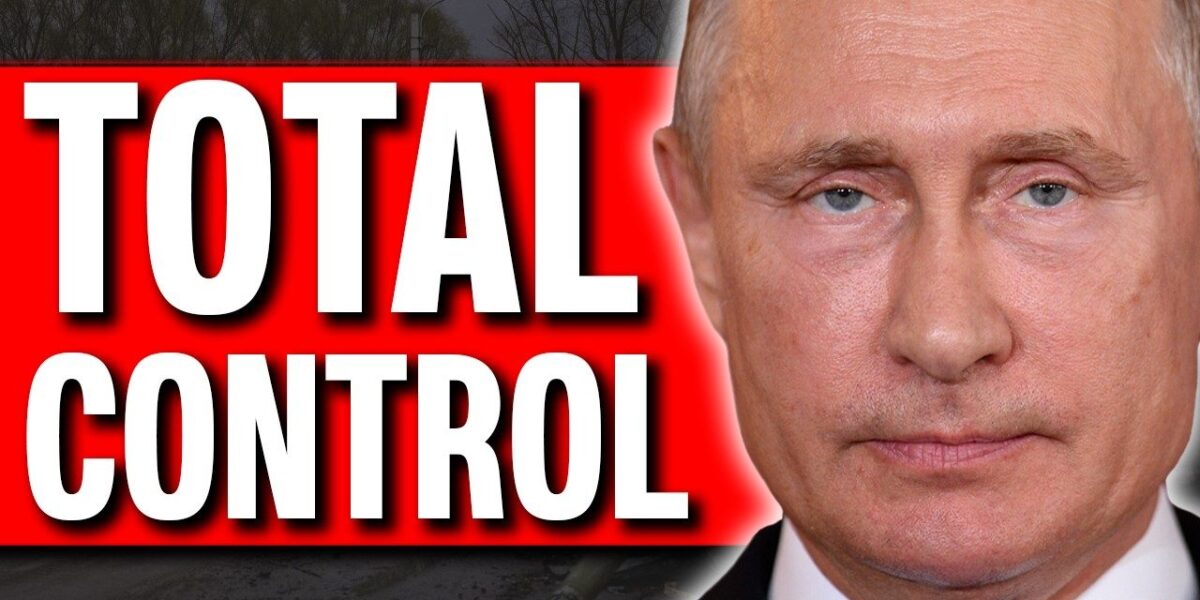
Duma Approves Budget Without a Single Amendment, Signifying Shift in Power
In a move that underscores a profound shift in Russia’s political landscape, the State Duma recently passed the federal budget for the second reading without a single amendment being proposed. This document, which dictates the allocation of approximately 20% of the nation’s Gross Domestic Product, was approved with what observers describe as “quiet, obedient approval.” The absence of any regional demands, ideological objections, or even performative outreach for cameras signifies a critical juncture, suggesting that legislative debate has become a mere formality and power has been so thoroughly centralized that resistance is no longer deemed worthwhile.
The Erosion of Institutional Power: From Representation to Spectatorship
Historically, a parliament’s core function is representation. Even a single seat can wield significant influence in a functioning political system, especially when margins are thin and every vote counts. Budgets, laws, and appointments are typically forged through arduous negotiations, a process where compromise and dissatisfaction are indicators of a healthy system. Regions vie for infrastructure projects, businesses lobby for regulatory changes, and ministries negotiate funding. This inherent friction is the very engine of policy-making.
However, the recent Duma proceedings reveal a stark absence of this friction. The passage of a massive budget without a single amendment indicates that no internal actors attempted to influence its outcome. No governors called in favors, no business groups lobbied for changes, and no parliamentary faction demanded increased funding for their constituents. The message is unambiguous: legislative leverage has evaporated. Lawmakers are no longer power brokers shaping policy but rather spectators in a predetermined process. When individuals realize their participation yields no tangible effect, the rational response, particularly in a system where dissent can lead to professional ruin, investigations, or even conflict, is to disengage. Abstention becomes a form of self-preservation, and silence emerges as the safest strategy.
Survival Over Loyalty: The Incentives of Compliance in Modern Russia
Understanding why no one within the Russian government opposes President Putin’s proposals requires shifting from a moral framework to one of survival. This dynamic is driven less by loyalty or ideology and more by a combination of fear and calculated incentives. The role of a State Duma deputy has drastically diminished. Once a position that offered influence, immunity, access, and leverage, it now primarily entails mere visibility. In contemporary Russia, visibility can be a significant liability, attracting international sanctions, financial scrutiny, and the potential revocation of immunity at any moment.
Crucially, the ability to effect policy change has dwindled to near zero. Deputies cannot redirect funds, block appointments, or even propose minor amendments. The risk of opposing a proposal, which could lead to the loss of one’s salary, apartment, driver, and relative safety, is immense. Conversely, supporting it merely preserves the status quo for the individual, offering no upside but a catastrophic downside if one steps out of line. This asymmetry of risk has systematically dismantled the concept of collective decision-making. Lawmakers increasingly act as isolated individuals striving to remain unnoticed, transforming the parliament from a functioning institution into a mere backdrop for decisions made elsewhere.
The Concentration of Power: From Parliament to the Kremlin
As power drains from the legislative branch, it concentrates. In Russia’s case, this power has migrated almost entirely to the presidential administration, and often, to one individual. Policy decisions, budgetary priorities, appointments, and strategic directions are now formulated behind closed doors. The Duma’s decline in power was not sudden but a gradual surrender, vote by vote, concession by concession, until little remained to defend. Once lawmakers realized their role was reduced to legitimizing pre-ordained decisions, they lost their standing. Businesses ceased lobbying their representatives, regions stopped negotiating amendments, and ministries no longer engaged in compromises; all parties now approach the ultimate source of power directly.
This creates a self-reinforcing cycle: the more irrelevant parliament becomes, the less reason anyone has to engage with it. Consequently, the less engagement there is, the easier it becomes to ignore the institution entirely. President Putin’s most significant achievement, therefore, is not merely repression but the rendering of institutions unnecessary. Courts have ceased to act independently, regional governments no longer assert local interests, municipal authorities fail to protect residents, and the parliament no longer votes in any meaningful capacity. Each layer has lost its leverage, leading to the collapse of the entire structure inward. Importantly, no one within this system is surprised; they understand the futility of voting, the danger of resistance, and the temporary nature of rewards for obedience. The system persists as long as the prevailing belief is that this arrangement is safer than chaos.
The Perils of Unchallenged Power: Systemic Weakness and Cascading Consequences
The notion that democracy relies on good individuals opposing bad actors is a comforting myth. In reality, political systems endure not on virtue alone, but on the interplay of conflicting interests, competing ambitions, and institutions defending their positions out of self-preservation, not necessarily nobility. Putin’s success lies in convincing everyone within the system that protecting their own institutional power is futile. Once this belief took root, resistance crumbled without a fight.
The fundamental problem with a system where all power is concentrated in one person is its lack of internal checks and balances, friction, or early warning mechanisms. Bad decisions go unchallenged, dangerous ideas face no opposition, and the consequences extend far beyond the leadership, cascading down to regions, cities, industries, and ultimately, ordinary citizens. When the ability to say ‘no’ is extinguished, mistakes inevitably compound, and the price is borne by the populace. Russia did not lose its checks and balances in a single, dramatic event; rather, they eroded quietly through apathy, fear, and resignation. Rebuilding these institutions requires individuals who believe they are worth defending—a belief actively discouraged by the current system, which punishes any such inclination.
The recent budget hearing in the Russian parliament, therefore, transcends mere fiscal policy. It serves as a stark illustration of a nation where institutions no longer provide protection, power answers only to itself, and silence has become the default strategy for survival. The long-term implications of such a system, where mistakes are compounded due to the absence of critical feedback, pose a significant risk not only to Russia but also as a cautionary tale about the fragility of institutional safeguards.
Source: IT FINALLY HAPPENED! Putin Consolidated ABSOLUTE CONTROL Over Russia. Dark Times Are Coming (YouTube)

Related Articles

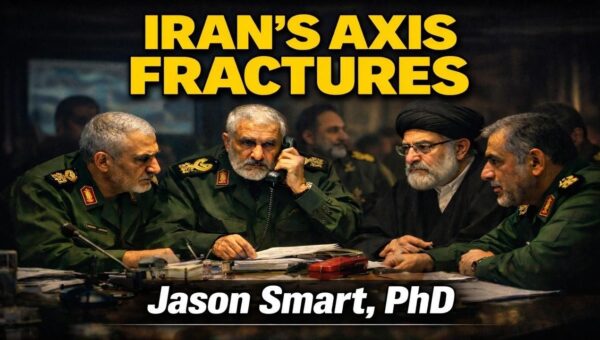
Iran’s Regime Under Siege: Attacks Cripple Leadership, Impact Russia
Iran's regime is reportedly facing critical blows from targeted attacks, crippling its leadership and severing a vital military supply line to Russia. This dual pressure is significantly impacting Russia's war efforts in Ukraine, while internal dissent grows within Iran.

Ukraine Strikes Deep: Russia’s ‘Untouchable’ Assets Hit
Ukraine has successfully launched long-range drone attacks deep inside Russia, hitting a crucial chemical plant in Perm and an oil terminal in Krasnodar. These strikes dismantle Russia's perceived geographical safety and target key economic lifelines, impacting its ability to sustain the war effort. The attacks highlight Ukraine's evolving strategy of systematic disruption and innovative use of technology, including high-altitude balloons, to degrade Russian capacity.

Ex-Russian President Medv’s Stark War Ultimatum Revealed
Former Russian President Dmitry Medvedev has reaffirmed Moscow's non-negotiable demands for ending the war in Ukraine, directly linked to Vladimir Putin's public conditions. His statements dismantle illusions of compromise and suggest a prolonged conflict, as the stated goals remain vague and open-ended.