Russia’s Donbas Push Falters Amidst Drone Strikes
Russia's push into Donbas faces significant challenges from Ukraine's fortified defenses and advanced drone warfare, according to military strategist Mick Ryan. Ukraine's drone strikes are also impacting Russia's oil exports, while its military innovation is gaining international interest.

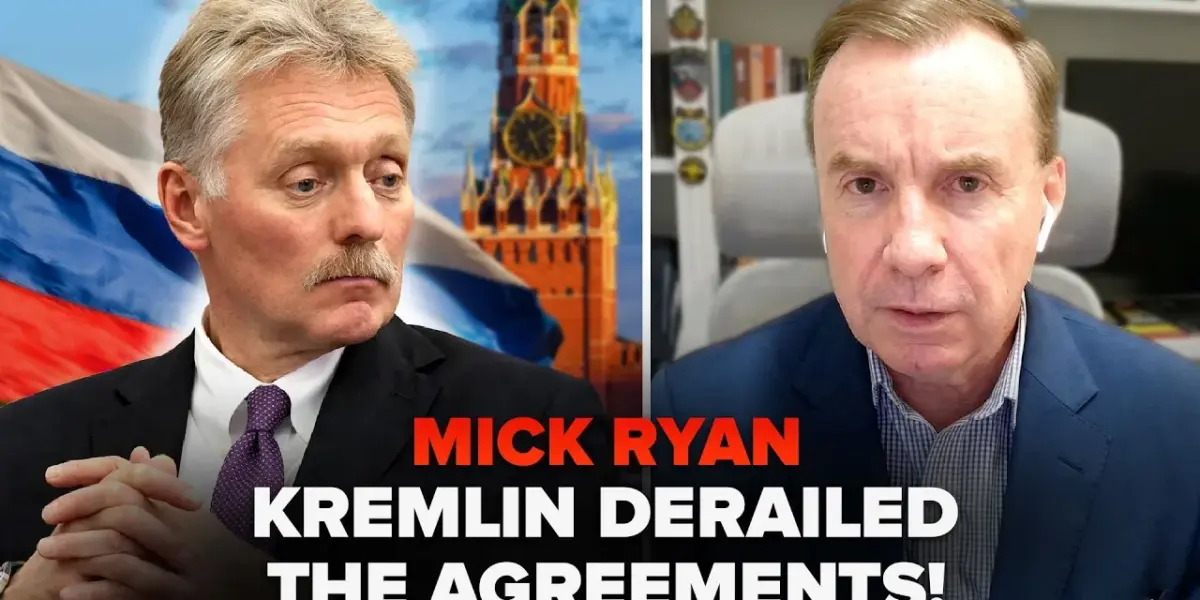
Russia’s Donbas Offensive Stalls as Ukraine Intensifies Strikes
Russia’s efforts to seize control of the Donbas region appear to be faltering, with forces moving slowly and suffering significant casualties. Ukraine’s well-prepared defenses and increasingly effective combined arms brigades, bolstered by advanced drone capabilities, are proving a formidable obstacle. This assessment comes from Mick Ryan, a retired senior officer of the Australian Army and military strategist, speaking on the 24 War and Politics YouTube channel.
Kremlin’s Peace Demands Met with Skepticism
Kremlin spokesperson Dmitry Peskov recently stated Russia seeks a comprehensive peace, rejecting a temporary ceasefire offer. However, Ryan suggests Russia may need a respite more than Ukraine. He noted that Ukraine has significantly improved its combined arms operations, particularly with drones, since the early days of Russia’s spring offensive, which has yet to gain momentum. Furthermore, Ukraine’s long-range drone strikes are impacting Russia’s oil exports, hitting Baltic Sea ports like Ust-Luga and Primorsk. This economic pressure suggests that even if not openly admitted, Russian President Vladimir Putin might welcome a pause in hostilities.
Russia’s Donbas Ambitions Appear Unrealistic
Recent reports indicate Russia set a two-month deadline for Ukraine to withdraw troops from Donbas, threatening to seize the region and impose new terms otherwise. Ryan, however, views this goal as unlikely to be achieved. He pointed to Ukraine’s fortified positions, developed over years, and the improved effectiveness of Russian combined arms brigades and newly formed units. “Russia really is grasping at straws here,” Ryan stated, adding that the only significant positive outcome for Putin might come from the American president, not his military.
Lavrov’s Call for Negotiations
Russian Foreign Minister Sergey Lavrov has urged the United States to pressure Ukraine into negotiations. Ryan interprets this as a call for Ukraine to cede more territory, a move Ukrainian President Volodymyr Zelenskyy has consistently rejected. Ryan also noted that former U.S. President Donald Trump, potentially seeking a foreign policy success after a difficult situation in Iran, might act unpredictably regarding support for either side in peace talks.
Ukraine’s Drone Warfare Impacts Russian Economy
Ukraine has intensified its attacks on Russia’s oil export infrastructure, utilizing drone strikes against Baltic ports. Peskov warned of Russian retaliation if Ukraine uses foreign airspace for such attacks. Ryan dismissed these threats as largely empty, stating Russia has limited options it hasn’t already employed and has proven unable to stop these long-range Ukrainian strikes. He highlighted that Ukraine is systematically dismantling Russia’s air defense systems, leaving the country more vulnerable in the air.
“Russia has enough on its hands with Ukraine. It’s very unlikely to have the capacity to prove a significant conventional military threat to NATO countries.”
While acknowledging potential Russian sabotage and subversion operations in Europe, Ryan believes a direct conventional military threat to NATO is improbable given Russia’s current commitments. He stressed that the least bad option for Ukraine is to continue attacking Russian oil refineries to deny Putin funding, despite potential global energy price increases.
Ukrainian Innovation in Demand
Ukraine’s advancements in drone technology and battlefield experience are drawing international attention, particularly from the Middle East. Ryan expressed hope that this recognition will lead to direct investment in Ukraine’s defense industry, enabling further development of drones for both domestic use and export. He also anticipates potential dispatch of Ukrainian training teams and the emergence of enhanced security relationships with countries like Saudi Arabia and the UAE, who may be grateful for Ukraine’s expertise during their own security challenges.
Reshaping the Global Defense Industry
Major defense manufacturers are reportedly concerned by the rapid expansion of Ukrainian drone technologies. Ukraine has proven the viability of certain drone types and interceptors capable of long-range engagement, concepts previously unimagined by large Western military companies. This innovation is creating intellectual property that could be shared or sold internationally, alongside a deep repository of tactical and strategic knowledge regarding drone warfare integration. This expertise is expected to be a key component of Ukraine’s post-war defense industry.
Broader Escalation Risks and U.S. Involvement
Ryan views the risk of Russia stepping up sabotage and subversion operations in places like the Baltic states as high. He suggested Putin might seek an easier conflict to win if he cannot bring home a victorious army from Ukraine, making the Baltics a potentially tempting target. The U.S. being drawn into a prolonged conflict with Iran could impact Ukraine by reducing the availability of crucial munitions and intelligence resources. Domestically, such a conflict could further divide American public opinion on foreign wars, potentially influencing midterm elections.
Potential Outcomes and Peace Prospects
Regarding the conflict in Iran, Ryan outlined a best-case scenario where a new regime accepts a ceasefire, and a worst-case where the U.S. withdraws, leaving regional security issues unresolved. He noted that the case for the war in Iran was never clear, appearing to be an impulsive decision. For Ukraine, Ryan remains cautiously optimistic about its potential to win, despite a perceived bias towards Russia in current U.S. negotiation approaches. He emphasized the need to maintain pressure on Russia, suggesting that past hesitations to provide sufficient aid to Ukraine have contributed to the current prolonged conflict.
Source: ⚡️Kremlin alarmed by situation on front! Peskov's shocking statement about war. Zelenskyy responded (YouTube)

Related Articles


Middle East Must Lead Iran Response, US Steps Back
Radio host Glenn Beck argues that Middle Eastern nations, not the US, must take the lead in addressing regional security threats like Iran. He believes former President Trump's policies are reshaping global order, encouraging allies to become more self-reliant. This signals a potential shift away from traditional US global leadership.

Putin’s Ceasefire Gambit: A Bid for Control
Putin's Easter ceasefire proposal is seen as a bid to regain control of the war narrative amidst battlefield stagnation. Concerns rise over potential U.S. pressure on Ukraine for concessions, while NATO's future and Ukraine's security outlook remain uncertain.

US-Iran Talks Collapse: War Looms After Summit Fails
US-Iran peace talks in Islamabad have collapsed after the Trump administration reportedly tried to change the negotiating framework. Senator JD Vance announced the breakdown, stating Iran refused U.S. demands, signaling a likely return to conflict. The failure occurred while President Trump attended a UFC match.