Russia’s Budget Crisis Fuels Regional Discontent
Russia's federal budget deficit has reached critical levels in early 2026, forcing the Kremlin to seek funds from its regions, fueling widespread discontent. This fiscal strain exacerbates existing economic hardships and raises questions about the long-term stability of the Russian Federation.

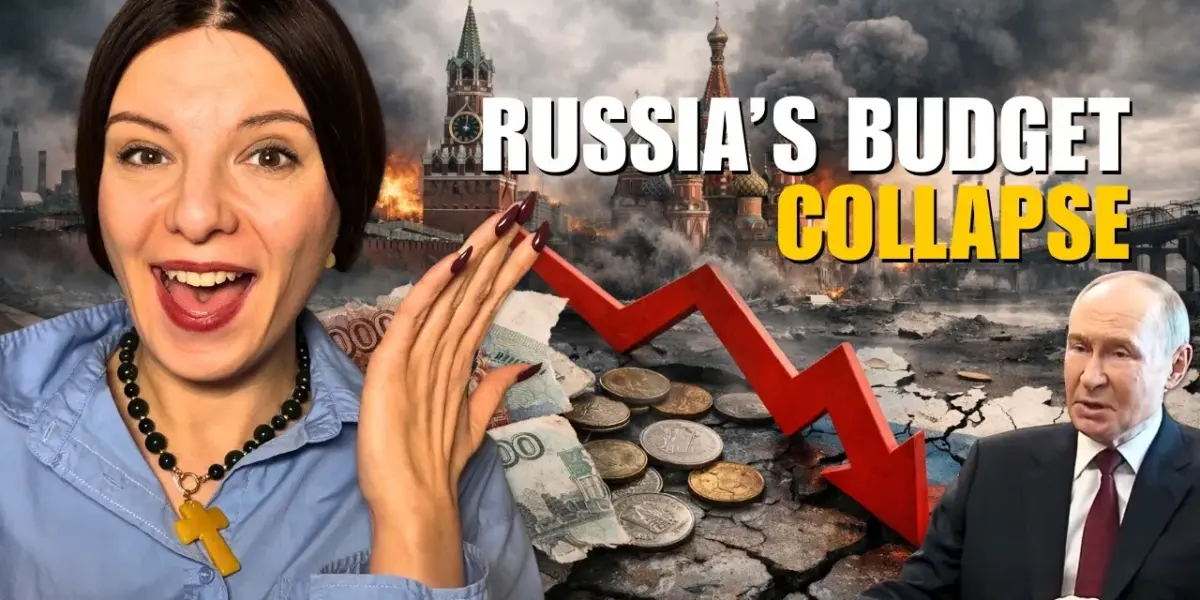
Russia Faces Deepening Budget Deficit Amidst Regional Resentment
The Russian Federation is grappling with a severe and rapidly escalating federal budget deficit, a situation that has prompted growing discontent among its regions. In the first three months of 2026, the Kremlin has reportedly incurred a budget deficit equivalent to its worst-case annual forecast, signaling a critical financial strain that is forcing a reevaluation of resource allocation and potentially fueling centrifugal forces within the nation.
Economic Strain Manifests as Regional Neglect
Analysis of regional sentiment and economic conditions across Russia indicates a widespread perception that the central government’s fiscal policies, particularly its extensive military spending, are directly contributing to poverty and a lack of essential services in the provinces. This sentiment is exacerbated by the Kremlin’s apparent need to extract funds from the regions to cover its budget shortfalls. Regions, many of which possess significant natural resources and economic potential, feel their wealth is being siphoned off to support Moscow’s objectives, rather than fostering local development and well-being.
Failed Fiscal Measures Intensify Pressure
Efforts by the Russian central bank and Ministry of Finance to address the burgeoning deficit have thus far proven ineffective. Initial attempts to increase taxes reportedly led to a significant number of Russian businesses ceasing operations. Subsequent pressure on large businesses resulted in open criticism of the Kremlin from prominent oligarchs and business leaders, including public statements on social media. The introduction of higher utility fees, despite the inability to maintain or improve essential services—highlighted by widespread issues with heating and electricity during the preceding winter—has disproportionately affected the poorest segments of the population.
“In three months, they reached the worst forecast for the whole year. And where will they get the money they need? Right from these regions that without the Kremlin have a great potential to become rich and safe.”
The Case of Sakha (Yakutia): A Microcosm of Grievances
The Republic of Sakha, also known as Yakutia, serves as a stark example of these regional grievances. This vast territory, larger than India and rich in natural resources such as gold, diamonds, oil, and gas, has seen its economic standing decline significantly. Despite its potential and the hard work of its population, Sakha ranks poorly among Russia’s federal subjects. Intellectuals and leaders in the region reportedly express that Moscow exploits its resources, using the revenue for military expenditures rather than investing in local infrastructure and services. The sentiment is that Moscow is effectively “stealing” the region’s resources and people, as many individuals from these distant regions are conscripted or mobilized for military service, preventing them from contributing to their local economies.
Broader Implications for Russian Stability
The escalating budget deficit and the resultant regional discontent raise questions about the long-term stability of the Russian Federation. The historical precedent of large, diverse empires struggling to maintain cohesion in a dynamic global environment is invoked. As more regional leaders and intellectuals voice concerns, albeit under duress, the narrative of a centralized, resource-hoarding Moscow is gaining traction. This internal pressure, coupled with Russia’s ongoing foreign policy actions, such as its support for Iran and North Korea and its involvement in fueling global conflicts, is seen by some observers as a potential catalyst for significant internal change, including the possibility of dissolution.
Geopolitical Ramifications and International Perception
The economic woes and internal divisions within Russia have broader geopolitical implications. The perception of a weakening Russian state, struggling with its domestic finances while pursuing an aggressive foreign policy, could embolden adversaries and allies alike. Furthermore, the narrative of resource exploitation and the potential for regional independence movements may resonate with other nations that have historical grievances with Russian influence. The international community’s response to these internal dynamics, particularly concerning human rights and potential crimes against humanity, is also highlighted as an area requiring greater attention from international organizations.
Strategic Implications
The current financial trajectory suggests that the Russian government will face increasing difficulty in funding its military operations and maintaining domestic stability. The reliance on regional resources to plug budget holes creates a direct conflict between the Kremlin’s strategic priorities and the economic well-being of its constituent parts. This can lead to a weakening of central control, increased regional autonomy demands, and a potential fragmentation of the federation. The inability to fund essential services, such as utilities, not only impacts the daily lives of citizens but also degrades the state’s capacity to function effectively, potentially weakening its overall military and economic power.
The situation underscores the precariousness of an economy heavily reliant on resource extraction and military expenditure, particularly when faced with international sanctions and significant war costs. The lifting of certain oil sanctions, while potentially offering temporary relief, is unlikely to fundamentally alter the long-term fiscal crisis if the underlying issues of unsustainable spending and regional economic disparity remain unaddressed.
Source: RUSSIA’S BUDGET COLLAPSE: REGIONS TURN AGAINST MOSCOW Vlog 1347: War in Ukraine (YouTube)

Related Articles

Iran War Escalates, Allies Join Fight for Strait of Hormuz
The conflict in the Middle East intensifies as Iran faces expanded strikes from Israel and retaliatory attacks across the region. The U.S. deploys thousands more troops and offers a 15-point deal, while the Houthis of Yemen join the fray with a missile attack on Israel. Allies are preparing to help secure the vital Strait of Hormuz.

Trump’s ‘Loser’ Comments Reveal Deep Insecurity, Risky Foreign Policy
Donald Trump's controversial "loser" comment reveals a deep insecurity driving his foreign policy, leading to poorly planned actions like the escalating Iran crisis. This pattern of surrounding himself with less capable individuals, rather than challenging experts, poses significant risks for international stability and suggests a dangerous approach to critical global decisions.

Iran Escalates Global Conflict, Threatens World Economy
Yemen's Houthi rebels have officially joined the conflict, launching ballistic missiles at Israel and escalating regional tensions. This move threatens vital shipping lanes like the Red Sea's Bab al-Mandab strait, potentially causing catastrophic economic consequences. Meanwhile, US soldiers have been injured in Iranian missile strikes, adding to the mounting human and financial costs of the escalating war.