Russia’s Border Buildup: A Futile Dare to Finland?
Russia's military build-up near Finland is presented as a warning, but its practical limitations and Finland's growing capabilities suggest a strategic gamble Russia is unlikely to win. The move highlights Moscow's need to posture amid wartime exhaustion, while Finland's quiet competence offers a potent counterbalance.

Russia’s Border Buildup: A Futile Dare to Finland?
Russia’s recent revival of a Soviet-era military base near Finland’s border, specifically the garrison district in Petrozavodsk, Karelia, has been framed by Moscow as a stern warning to NATO. However, a closer examination of the geopolitical map and Finland’s recent defense procurements suggests this move might be less a formidable threat and more a strategic gamble Russia is ill-equipped to win.
The Petrozavodsk Project: More Scaffolding Than Sword
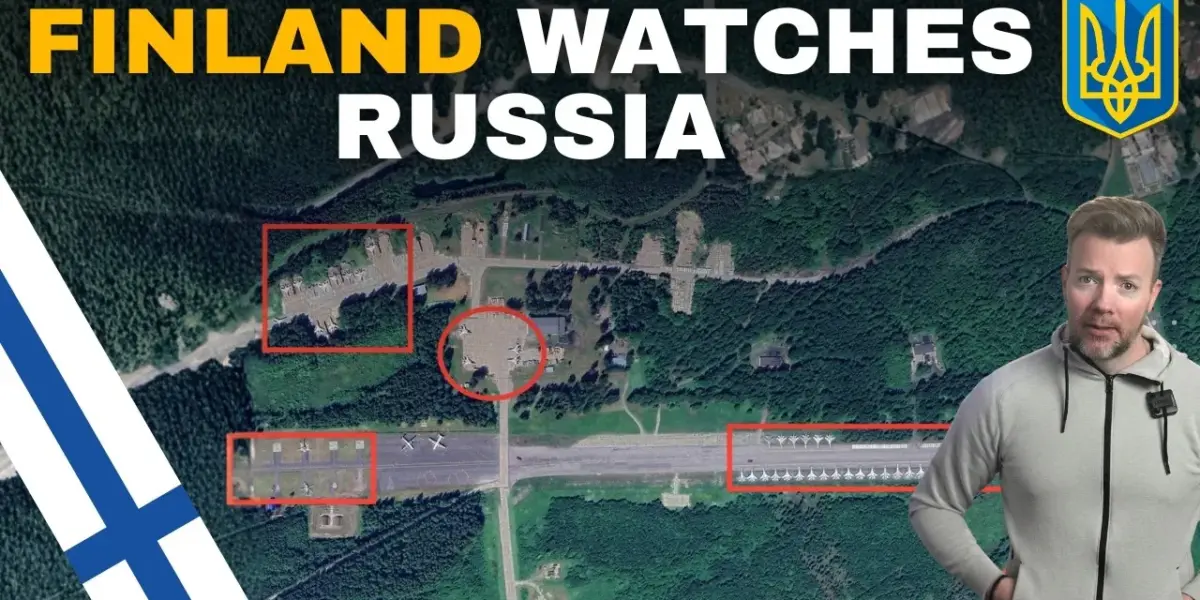
Satellite imagery reveals significant activity around Petrozavodsk International Airport, with an influx of advanced aircraft, including approximately 70 Su-35 fighter jets and several Mi-24 Hind helicopters. This build-up, which was not present a year prior, points to the development of the newly established 44th Army Corps. Finnish analysts estimate this corps could eventually comprise up to 15,000 personnel, intended to be stationed in the Republic of Karelia, approximately 160 kilometers from Finland. The base itself, previously dormant since the 1990s, has seen its overgrown training areas transformed into active construction sites, with new facilities erected and vehicles openly parked.
However, the practical reality of this new formation is far from a ready-to-deploy strike force. Elements associated with the 44th Army Corps have already been deployed to the conflict in Ukraine, participating in operations near the northern push and the Kursk axis throughout 2024. This deployment underscores that Petrozavodsk currently functions as a long-term staging and support node rather than a fully operational headquarters. Russia is essentially renovating a base for a formation it cannot fully staff, diverting its best units and modern equipment to the ongoing war.
Moscow’s Logic: Posturing Amidst Exhaustion
The Kremlin’s rationale appears rooted in a desire to project strength in response to Finland’s NATO accession. In Moscow’s narrative, Karelia serves as a convenient location to stage a show of force without admitting the current limitations of its army, largely consumed by the war in Ukraine. The refurbishing of an old base, the installation of new signage, and public displays of troop presence serve a dual purpose: projecting a narrative of a strong response to NATO expansion and providing a domestic justification for military spending and regional development. Russian state media and local officials have promoted the buildup as a patriotic duty, promising new services and economic life to the region, a classic ‘garrison town’ pitch.
Beyond the posture, there’s a clear logistical aim. Establishing a credible 44th Army Corps requires more than just paper orders; it necessitates housing, training facilities, workshops, transportation, fuel, and a steady pipeline of replacements. The visible construction and vehicle parks suggest the scaffolding for a long-term staging area, designed for rotating units over years, not for an immediate invasion. The inclusion of a radio technical regiment with multiple radar stations, coupled with nearby air bases hosting fighter jets, indicates an effort to enhance radar coverage and air defense management along the NATO frontier. This strategic positioning allows Russia to maintain a semblance of strategic depth, keeping these assets far enough from Ukraine to avoid direct wartime damage.
Finland’s Response: A Competent Counterbalance
The narrative shifts dramatically when considering Finland’s capabilities and strategic position. Russia’s build-up, while real, faces significant challenges. Firstly, the ongoing war in Ukraine continues to drain Russia’s resources, both in terms of personnel and equipment. The Petrozavodsk base, therefore, serves a support function for a force that is not yet complete, with its most capable units committed elsewhere.
Secondly, operating in the subarctic conditions of Karelia presents a formidable logistical hurdle. Sustaining a large military force in winter requires robust infrastructure for fuel, transportation, maintenance, and winterization – areas where Finland possesses decades of ingrained competence. The Arctic and subarctic environments demand precision and resilience, qualities Finland has cultivated extensively.
Furthermore, the stockpiles of Soviet-era equipment, while seemingly substantial, signal a reliance on aging inventory rather than modern readiness. Much of this equipment may be in disrepair or serve as parts donors, a fallback Russia has already demonstrated in Ukraine by deploying outdated gear. A warehouse of aging vehicles is not equivalent to a ready brigade.
Crucially, the development of radar regiments, while enhancing surveillance, does not address Russia’s core challenge: projecting and sustaining large-scale maneuver forces against a prepared NATO member. Finland, conversely, has been quietly acquiring capabilities that directly counter such ambitions. The recent purchase of JASSM-ER cruise missiles, combined with its incoming F-35 fleet, provides Finland with the ability to strike sensitive Russian sites deep within the north, including key infrastructure on the Kola Peninsula. This capability fundamentally alters the strategic calculus, transforming Russia’s rear areas into potential targets and diminishing the illusion of secure sanctuaries.
The Kola Peninsula: A Vulnerable Artery
The Kola Peninsula, home to critical Northern Fleet infrastructure, air bases, and vital military logistical networks, is particularly vulnerable. Russia’s build-up near Finland inadvertently places more of its strategic assets within reach of Finnish strike options. This geographical reality forces Moscow into a difficult trade-off: posturing forces at the border while simultaneously increasing the vulnerability of its own strategic rear. The proximity of Finland means that Russian rear areas begin to feel less like distant sanctuaries and more like frontline extensions.
Finland’s Quiet Deterrence
The Finnish approach to defense is characterized by discipline, lethality, and a pragmatic focus on territorial defense. Unlike the performative displays of strength, Finland prepares for the fight as if it could occur tomorrow, in adverse weather, at long range, and under intense electronic warfare. This deep-seated competence and readiness make Russia’s border theatrics less persuasive. Finland doesn’t need to shout; it needs to be ready, and it is.
Why This Matters
Russia’s actions near the Finnish border are driven by a complex interplay of political necessity and military awkwardness. The Kremlin requires a narrative of response to Finland’s NATO membership, a justification for military expenditure, and a means to maintain domestic political support through regional patronage and population militarization. The build-up also serves Russia’s long-standing tactic of creating pressure points that can be leveraged for concessions in future de-escalation talks.
The timing suggests a long-term strategy, anticipating that the war in Ukraine will not end quickly and that Russia will seek to reassert pressure elsewhere in the 2027-2030 window. This aligns with broader European concerns about Russia’s post-Ukraine regeneration. While Russia might not target Finland immediately, its rebuilding efforts near the border reveal an intent to revert to old habits in a new, more challenging environment.
Future Outlook: Deterrence in Action
The key difference in 2026 is that Russia’s cornered actions are now met with a capable and integrated response. The more Russia militarizes the Finnish border, the more it must divert scarce assets from Ukraine, internal security, and elite appeasement projects. The construction of fixed infrastructure creates predictable targets for NATO, and the characterization of Karelia as an ‘outpost’ validates Finland’s perception of Russia as a direct threat. Russia aims to project strength, but Finland’s membership in NATO and its own robust defense capabilities make this projection increasingly expensive and risky. The story is not about an imminent Russian invasion of Finland, but about a Kremlin attempting to restore old habits in an environment that now pushes back, demonstrating a functional form of deterrence.
Source: Russia's Infrastructure Problem Near Finland Gets Worse (YouTube)

Related Articles


G7 Allies Clash Over Iran War Strategy, Urge Focus on Russia
G7 foreign ministers met in Paris, revealing deep divisions over the U.S. war with Iran. European allies urged the U.S. to pressure Russia, linking its actions to the conflict and fearing support for Ukraine will wane.
Iran Blocks China Ships, Exposing Beijing’s Weak Grip
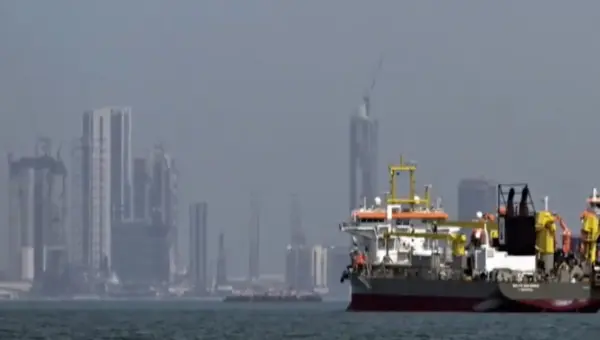
Iran's recent decision to block Chinese ships at the Strait of Hormuz is exposing the limits of Beijing's influence in the Middle East. This action is causing delays and cancellations for Chinese manufacturers, turning a perceived geopolitical win into an economic strain.

Trump’s “Walk Away” Tactic Signals Tougher Stance on China
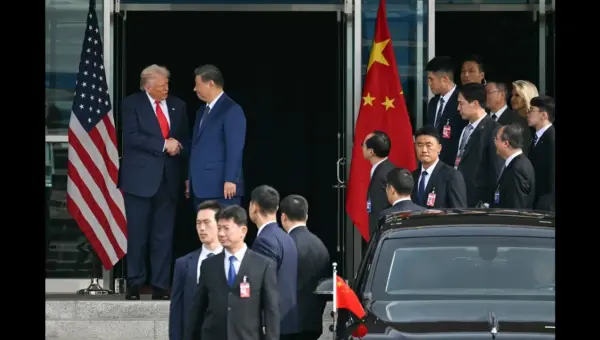
Retired Air Force Brigadier General David Stillwell believes President Trump's strategy of being willing to walk away from negotiations puts pressure on China. This tactic, combined with US global actions and strengthened alliances, signals a more assertive American foreign policy.