Russia’s Battlefield Slowdown Signals Shifting War Dynamics
Russia faces mounting pressure on multiple fronts as its military gains in Ukraine stall and its economy strains. Moscow's claims of victory are contradicted by battlefield realities, escalating casualties, and diminishing territorial returns. President Putin's leadership is increasingly isolated both domestically and internationally.

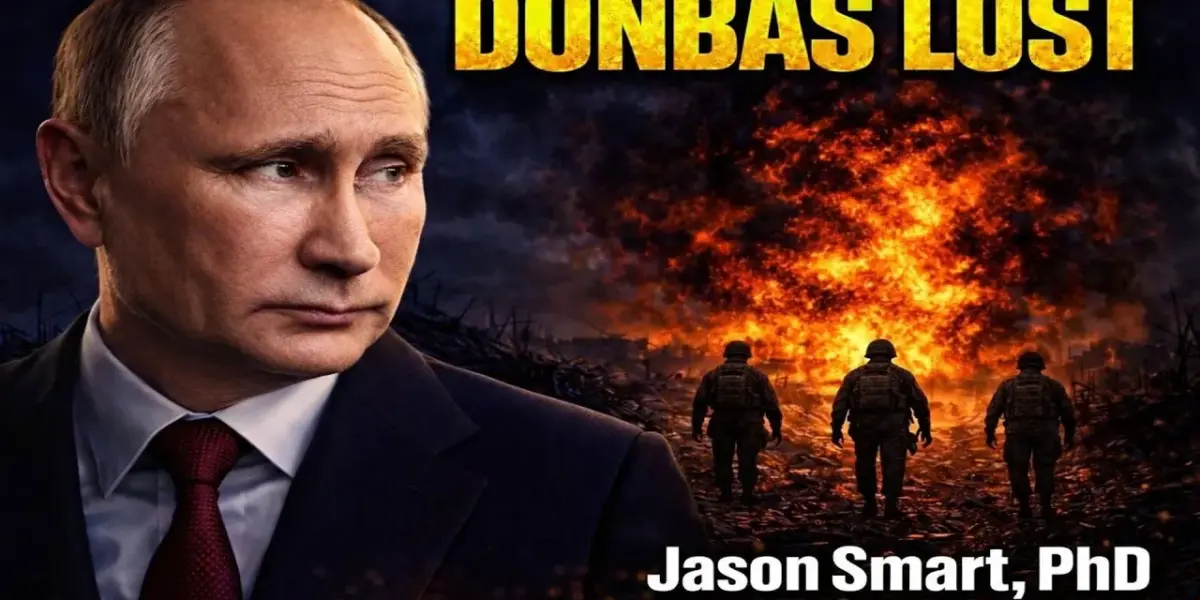
Kremlin Faces Mounting Pressure as Battlefield Gains Stall
Russia is entering a critical and increasingly dangerous phase of its conflict in Ukraine. The Kremlin is now facing simultaneous pressure on the battlefield, within its own economy, and from growing internal instability. For years, Russia could mask weaknesses in one area by escalating actions in another. However, this strategy is failing as its entire system begins to falter.
Moscow continues to claim imminent victory and insists Russia is winning its “special military operation.” Yet, ground facts contradict these assertions. Russia is no longer achieving the territorial gains President Vladimir Putin needs to project control. When a military force loses its ability to create leverage, the danger begins to shift back towards the leadership that initiated the conflict. President Putin is now entering this precarious stage, with time no longer on his side.
Lugansk Claims Mask Battlefield Reality
The situation in Lugansk Oblast highlights this disconnect. Russia recently claimed full control of the region, a claim previously made in September 2022 and before that. While Russia states it controls 99.84% of Lugansk Oblast, key towns like Nadia and Novorifka remain outside Russian control. This small but significant percentage demonstrates Russia lacks the necessary force to dislodge Ukrainian defenders.
The Institute for the Study of War reports that Russia’s advance rate has slowed dramatically. In early 2023, Russia advanced an average of 11 square kilometers per day. This rate has since fallen by approximately 29% to 5.5 square kilometers per day. Looking at the entire course of the war, the slowdown is even more pronounced, with the average daily advance decreasing by over 50%.
Russia continues to attack, but it struggles to gain and hold territory. Ukrainian forces are strategically withdrawing from some areas, understanding the war’s ultimate outcome will depend on endurance, not just localized battles. Ukraine’s strategy focuses on degrading Russia’s industrial capacity and its ability to wage war long-term. This approach allows a smaller nation to counter a larger one, a tactic Russia cannot effectively replicate against Ukraine.
Escalating Casualties, Diminishing Returns
The human cost for Russia is significant and rising. In one recent quarter, Russian personnel losses increased by approximately 7%. During the first 90 days of 2023, Russia suffered an estimated 88,700 casualties, averaging nearly 986 per day. For this heavy cost, Russia has gained only about 495 square kilometers, or 191 square miles, of territory.
This trend of rising losses with falling territorial gains represents a high-stakes attrition for Russia. The manpower being expended is not yielding meaningful operational advantages or changing the strategic picture on the ground. Ukraine has also demonstrated significant progress in countering Russian drone attacks, achieving a 92% interception rate in April 2023, despite a surge in drone launches.
Economic Strain and Domestic Control
Russia’s economy is also showing signs of strain. Rosneft, a major oil company, reported an 18.8% drop in revenue and a 28.3% decrease in EBITDA. Net income fell by 73%, and adjusted free cash flow declined by 46%. These figures are expected to worsen as Ukraine targets Russian export terminals and industrial infrastructure, further limiting Russia’s revenue generation.
To maintain domestic control amidst these pressures, Russia’s Federal Security Service (FSB) has been granted expanded rights. The intelligence agency can now seize documents from businesses and institutions, increasing its ability to monitor citizens. This reflects the government’s anxiety and concern over its grip on power.
Putin’s Isolation and Shifting Alliances
President Putin’s public behavior suggests a growing unease. He has not addressed the Duma in 763 days, a significant departure from his previous regular addresses. At a recent meeting with Russian business leaders, Putin read a statement without taking questions, another deviation from his past practice. These actions may indicate an awareness that the situation is precarious and an avoidance of unscripted interactions.
Internationally, Russia’s influence appears to be waning. Armenia, a member of Russia-led economic unions, has publicly rejected Putin’s stance on its foreign policy alignment, signaling its intent to pursue closer ties with the European Union. In Hungary, despite Russian support, the opposition party is leading significantly, suggesting Russia’s ability to influence electoral outcomes is diminishing.
Even close allies are showing signs of distance. Leaked phone calls revealed the Hungarian foreign ministry appearing subservient to Moscow, raising questions about the reliability of Russia’s long-standing partnerships. These developments suggest that countries once aligned with Russia are reassessing their positions as they perceive Russia’s weakening influence.
Strategic Implications
Russia’s current trajectory indicates a military that remains dangerous but is increasingly ineffective in achieving its objectives through conventional means. The combination of stalled battlefield progress, mounting casualties, economic pressure, and strained international relationships points to an overextended war machine. The Kremlin’s difficulty in translating force and intimidation into tangible leverage signals a critical turning point. If Russia cannot secure decisive victories or alleviate economic pressures, its long-term stability and capacity to wage war will be severely tested.
Source: Kremlin Now Losing in Donbas (YouTube)

Related Articles
Russia Bans Gas Exports Amid Refining Woes
Russia has banned gasoline exports, a move driven by Ukrainian drone attacks on its refineries and logistical issues. This forces Russia to prioritize domestic supply, preventing it from fully capitalizing on high global oil prices and impacting its revenue.
Trump Escalates Iran Conflict by Destroying Bridges
Donald Trump's actions, including the destruction of bridges in Iran and the targeting of mediators, have significantly escalated the conflict. This approach risks further violence and economic instability, drawing international condemnation and raising concerns about global peace.

Iran’s War Machine Crippled: Key Bridge Destroyed, Negotiator Wounded
A critical bridge in Iran, vital for military supplies, has been destroyed, severely impacting its war capabilities. Simultaneously, Iran's top negotiator for ceasefire talks with the US was critically wounded, signaling potential failure in diplomatic efforts. These events highlight a dangerous escalation in the region.