Russia’s Banks Restrict Cash Access Amidst Financial Strain
Russia's largest banks are reportedly discussing measures to allow employees to suspend cash withdrawals, citing 'suspicious' customer behavior. This follows earlier ATM restrictions and signals potential liquidity issues within the Russian financial system amidst ongoing war-related budget deficits.

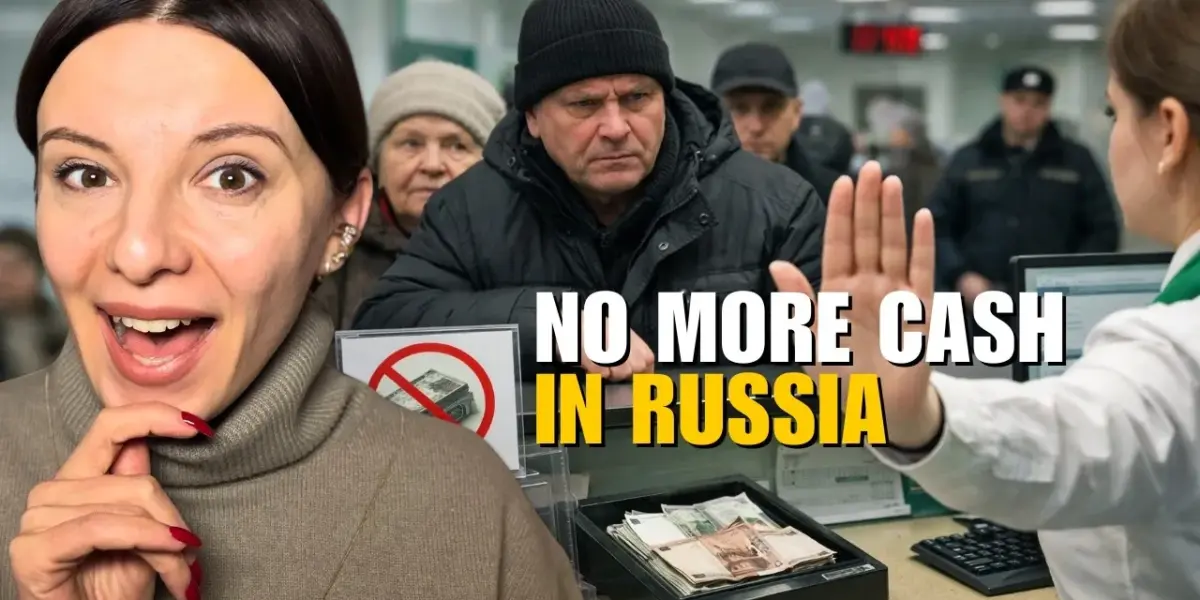
Russia’s Banking System Faces Growing Restrictions on Cash Withdrawals
Reports indicate that Russia’s financial sector is implementing new measures that significantly limit citizens’ ability to access their own funds, signaling potential systemic issues within the country’s banking system. State-aligned media, such as Vesti, have highlighted increasing difficulties for Russians in withdrawing money from their accounts, a trend that appears to be escalating.
“Cooling Down Period” for Depositors
During discussions at a forum in Yevpatoria, representatives from Russia’s largest banks reportedly considered granting ordinary employees the authority to suspend cash withdrawals based on their personal assessment of a customer’s behavior. While framed as a measure to address potentially suspicious activity, critics argue this approach could mask deeper financial instability within the Kremlin and its associated financial institutions. This initiative follows similar restrictions introduced earlier in the year, which saw hundreds of thousands of Russians encounter significant problems when attempting to withdraw cash from ATMs in January and February.
Bankers have introduced the term “cooling down period” to describe these new procedures, suggesting a temporary hold on access to funds. This strategy, combined with the previous ATM limitations, is being interpreted by many as a sign of severe financial distress, particularly as Russia’s federal and regional budgets reportedly face substantial deficits. The ongoing conflict in Ukraine is cited as a primary driver of this economic pressure, with concerns that funds are being diverted to sustain military operations at the expense of domestic financial stability.
Strategic Context: Economic Strain and Public Confidence
The implementation of such withdrawal restrictions, especially in physical bank branches where customers typically seek access when ATM services are unavailable, is seen as a critical indicator of liquidity problems. The closure of thousands of bank branches across Russia in recent years, particularly in regions reliant on them due to connectivity issues, further exacerbates the problem. This creates a “vacuum” where individuals may find themselves unable to access their funds, potentially leading to widespread public anxiety and panic.
These financial constraints are occurring against a backdrop of significant government spending on the war effort and a federal budget reportedly lacking trillions of rubles. Analysts suggest that the restrictions could be an attempt by the government to retain capital within the banking system, possibly to fund military production or to manage the fallout from economic sanctions. The move also comes amidst broader governmental actions, such as the shutdown of Telegram channels, which critics argue are aimed at controlling information and suppressing potential dissent or public negativity arising from unpopular decisions.
Broader Geopolitical and Social Implications
The reported financial difficulties and the resulting restrictions on citizens’ access to their money could have profound social and political implications within Russia. For a population that has often been described as apolitical, these direct economic consequences of the ongoing conflict and government policies may foster a greater awareness of the war’s impact on their daily lives. There is speculation that these measures could be preparatory steps for more drastic actions, such as a general conscription, which has historically led to significant public backlash and emigration, or even the potential seizure of private bank accounts to finance the war effort.
The “cooling down period” and ATM withdrawal suspensions could be interpreted as attempts to “cool down” potential protests and public negativity that might arise as more unpopular decisions are made by the Kremlin. The inability to easily access funds or communicate effectively, especially if internet services are further disrupted or platforms like Telegram are fully suppressed, could heighten public apprehension and potentially erode trust in both the banking system and the government.
Historical Parallels
While not explicitly detailed in the transcript, the current situation echoes historical instances in collapsing economies or states under severe pressure where capital controls and restrictions on financial transactions become commonplace. Such measures, while ostensibly aimed at stabilizing the economy, often signal underlying fragility and can lead to a loss of public confidence and capital flight.
Technological Aid in Conflict
Amidst these economic concerns, there is also a mention of technological advancements being utilized in the conflict. A fundraiser is noted for acquiring ground drones, described as robots capable of reaching wounded Ukrainian soldiers in dangerous environments for evacuation or resupply. This highlights the evolving nature of warfare and the increasing role of technology in humanitarian and combat support operations.
“The restrictions on cash withdrawals, especially with the introduction of a ‘cooling down period,’ are a clear indication of the severe financial strain Russia’s banking system is experiencing. This is not about customer care; it’s about retaining liquidity amidst budget deficits and war spending.”
Source: RUSSIA IN PANIC: BANKS SUSPEND WITHDRAWALS Vlog 1337: War in Ukraine (YouTube)

Related Articles
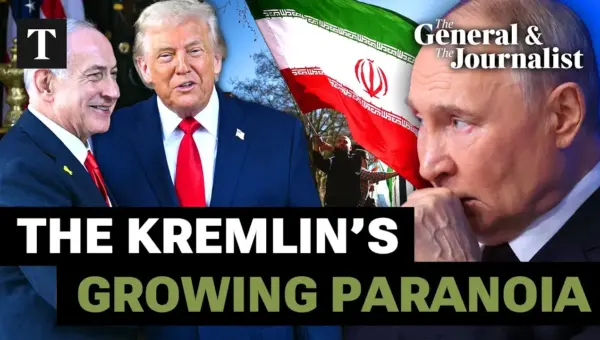
Kremlin Shakes: Elite Discontent Fuels Putin’s Paranoia
Internal turmoil and paranoia are reportedly gripping the Kremlin as President Putin faces growing elite discontent and the realities of the Ukraine war. Meanwhile, Russia's strategic involvement in the Iran conflict highlights complex calculations and potential risks, even as a wider global war remains unlikely.
Ukraine Hits Russian Oil, Pentagon Eyes Aid Shift
Ukraine's strikes are crippling Russian oil exports, with 40% of capacity offline. Meanwhile, the Pentagon may shift air defense aid to the Middle East. Ukraine is countering by deepening ties with Saudi Arabia and other Gulf nations, leveraging its combat experience.
Ukraine Strikes Russian Oil Refinery, Eyes Iran Threat
Ukrainian forces struck a key Russian oil refinery, disrupting Moscow's war capabilities. Meanwhile, Finland's president urged continued U.S. support for Ukraine, as Kyiv shares its air defense expertise globally amid growing geopolitical complexities involving Iran and potential sanctions against Hungary.