Russian TV Host Calls for Strikes on NATO Factories
Russian TV host Vladimir Solovyov has intensified his aggressive rhetoric, calling for strikes on defense factories in NATO countries. This escalation occurs amid reports of Russian military setbacks and domestic economic challenges. The broadcast also criticized foreign mercenaries fighting for Ukraine and highlighted perceived Western interference.

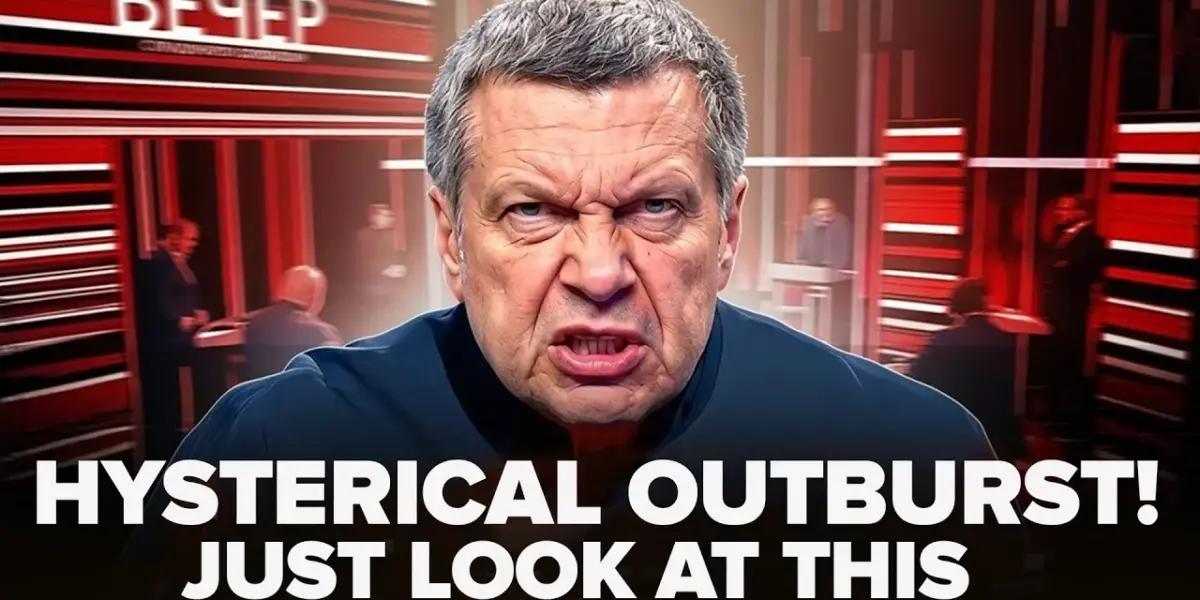
Russian TV Host Demands Strikes on NATO Factories
In a fiery broadcast, prominent Russian television host Vladimir Solovyov has escalated rhetoric against the West, directly calling for strikes on defense factories located in NATO countries. The remarks, made during a segment of his show, suggest targeting facilities in Britain, Norway, and Germany, which he characterized as effectively Ukrainian operations. This aggressive stance comes amid ongoing Russian military struggles and growing domestic economic concerns.
Escalating Threats and Domestic Woes
Solovyov’s pronouncements reflect a broader pattern of increasingly bellicose statements emanating from Russian state media. He argued that Russia should warn these countries and then strike their defense plants. His guests reportedly suggested attacking Ukrainian train stations, highlighting a disturbing trend of targeting civilian infrastructure. These calls for escalation are occurring against a backdrop of what analysts describe as a failed Russian spring offensive, a topic largely absent from state television’s narrative.
The Russian government appears to be struggling to explain the significant losses of soldiers during recent campaigns. Simultaneously, Moscow faces mounting economic troubles, with even President Putin reportedly acknowledging the difficulties. This situation is compounded by internal policy decisions, such as the ban on the Telegram messenger app and internet restrictions in major cities like Moscow and St. Petersburg. Such actions suggest a government increasingly concerned with information control and public dissent.
Critiques of Russian Military Performance
The broadcast also touched upon the perceived failures of the Russian military, particularly its inability to produce sufficient weaponry. This shortfall is attributed to a lack of funds and access to advanced technology, with an acknowledgment that Russia has not developed much of its own high-tech military hardware. The effectiveness of Western sanctions is noted, with the implication that they are hindering Russia’s war-fighting capabilities. Despite these challenges, Russian state media emphasizes that Western military-industrial complexes are accelerating their production, a point underscored by recent Ukrainian strikes deep into Russian territory.
Solovyov also expressed frustration with internal dissent and perceived disloyalty within Russia. He called for harsh punishment for those he labeled as ‘wait and see collaborators’ and ‘infiltrators.’ This sentiment is echoed in the broader crackdown on any form of criticism, which is unwelcome in Russia’s current political climate. The host’s rhetoric suggests a deep-seated anxiety about maintaining control and projecting strength, even as the realities on the ground present significant challenges.
Foreign Mercenaries and Western Support
A striking point raised during the discussion was the presence of foreign mercenaries fighting alongside Ukrainian forces. Solovyov claimed that the number of these foreign fighters far exceeds that of North Korean soldiers reportedly fighting with Russia. This comparison serves to both downplay Russian reliance on foreign fighters and highlight the perceived international support for Ukraine. The question of why Russia is not ‘neutralizing’ these foreign elements was posed, further fueling the aggressive tone.
Strategic Implications and Propaganda
The calls for striking NATO defense factories represent a significant escalation in rhetoric, pushing the boundaries of acceptable discourse regarding the conflict. If acted upon, such strikes would directly involve NATO members, potentially triggering Article 5 of the alliance’s mutual defense pact. This aggressive posturing appears to be a tactic to project strength and deter further Western support for Ukraine, while also serving as a propaganda tool to rally domestic support and deflect from military failures.
The broadcast also highlighted the stark contrast between the Kremlin’s narrative and the realities of the war. While Russian state media often portrays a unified and determined nation, the internal discussions reveal anxieties about economic collapse, technological deficiencies, and the effectiveness of Western sanctions. The emphasis on ‘principles’ as the justification for the war, rather than concrete security interests, suggests a propaganda effort to imbue the conflict with a moral and ideological purpose, even as critics argue it mirrors historical justifications for aggression.
Furthermore, the discussion around train stations in Kyiv, particularly in the context of NATO officials visiting the city, indicates a potential shift in targeting priorities. The suggestion that these hubs for the enemy should be targeted, especially as they serve as symbols of Ukrainian resilience, points to a desire to disrupt not only military logistics but also Ukrainian morale and international engagement. The narrative presented aims to portray Ukraine as a Western proxy, justifying increased aggression against it and its supporters.
The segment concluded with a strong assertion that Russia is not interested in peace but only in victory, dismissing any notion of negotiation. This uncompromising stance, coupled with the threats against Western nations, paints a picture of a protracted and potentially widening conflict. The underlying message is that Russia feels cornered and is resorting to increasingly extreme rhetoric to assert its position on the global stage.
Source: 😱Solovyov Lost It: Screaming at Russians! VIDEO with THREATS is breaking Internet (YouTube)

Related Articles
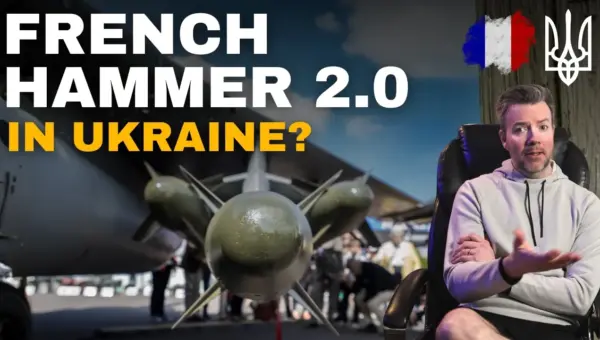
France Upgrades Smart Bomb, Bolstering Ukraine’s Arsenal
France has upgraded its AASM Hammer smart bomb with a new multi-mode seeker, enhancing its effectiveness for Ukraine. The advanced 'Lear Seeker' improves targeting in complex environments and could be integrated into future French precision weapons. The potential deployment of upgraded Hammers, and eventually longer-range XLR variants, poses a growing challenge to Russian forces.
Putin’s War Aims: Annihilation, Not Peace
Russia's war aims in Ukraine are centered on annihilation, not peace, according to a former Ukrainian Prime Minister. He describes negotiations as a KGB tactic and highlights Russia's strategic alliance with Iran. Putin's goal is to destroy Ukraine as a state, not to reach a genuine settlement.


Russia Escalates Daytime Strikes Across Ukraine
Russia has intensified its daytime air attacks across Ukraine, using more drones and missiles. This strategy aims to test new tactics, overwhelm air defenses, and terrorize civilians, particularly in frontline regions.