Russian State Media’s ‘Unhinged’ Propaganda Exposed
Veteran journalist Mark Bennetts details the alarming descent of Russian state media into "unhinged" propaganda since 2014. His memoir, 'The Descent,' chronicles 25 years in Russia, revealing a stark contrast between the freedoms of the 1990s and the pervasive falsehoods of the Putin era. Bennetts discusses the psychological impact of propaganda and the difficult decision to leave Russia.

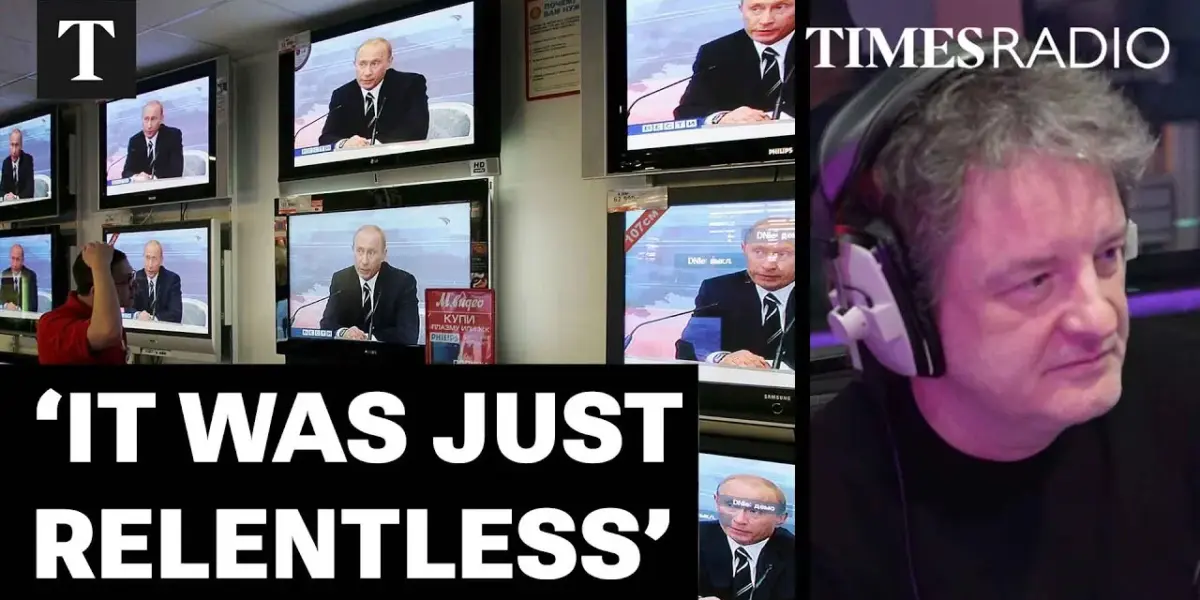
Russian State Media’s ‘Unhinged’ Propaganda Exposed
Mark Bennetts, a veteran journalist who spent 25 years in Russia, describes the country’s state television as having become “unhinged” since 2014, likening it to “peering into the soul of an insane person.” Bennetts, author of the new memoir The Descent: Witnessing Russia’s Spiral Under Putin, shared his observations on the radical shift in Russian media, particularly after the annexation of Crimea.
A Journalist’s Journey Through Putin’s Russia
Bennetts first moved to Russia in 1997, long before he began his career as a journalist for The Times. He lived in the country until the full-scale invasion of Ukraine in 2022. His memoir, while not strictly chronological, opens with a harrowing incident in Kherson, Ukraine, in 2023. A Russian artillery shell exploded near his car, sending shrapnel into the windshield. This moment, Bennetts explains, encapsulated the “madness and propaganda” that he felt had been inflicted upon Russia since Vladimir Putin came to power.
Early Days: A Different Russia
In the late 1990s, Russia under Boris Yeltsin was a vastly different place than the one known today. Bennetts describes it as “another country” with its share of problems like crime and corruption, but also with a degree of freedom in thought and expression that he hadn’t seen before or since. He recalls the cultural explosion, including a massive free concert by the band The Prodigy in Moscow’s Manezhnaya Square, a stark contrast to the Soviet era’s rigid control.
Bennetts’s initial interest in Russia stemmed from childhood memories of Soviet tanks in Afghanistan during the Cold War. He found the country less mysterious than simply unknown to many in the West. While working as an English teacher in St. Petersburg, he befriended homeless individuals, learning Russian swear words and gaining insights into the complex realities of post-Soviet life. One striking memory involves a homeless man with a Stalin tattoo and track marks from heroin use, highlighting the contradictions and unknown aspects of Russian society.
The Subtle Shift Under Putin
When Putin came to power in 2000, the immediate changes were not drastic for daily life. However, the closure of the independent television station NTV signaled a shift. While many intellectuals were wary of a former KGB officer, for years, freedoms largely remained. Putin did not initially lecture Russians on morals or aggressively target the West. Bennetts notes the stark contrast to the present, where even the concept of Satanism has been banned as extremist.
An Unexpected Role at a State News Agency
Remarkably, Bennetts worked as an English-language correspondent for the Russian state news agency RIA Novosti during a period of reorganization under President Dmitry Medvedev. He experienced surprising freedom, with no apparent censorship. He recounts writing critical pieces about Putin and the pro-Putin youth movement, including a column sarcastically referring to Putin as “he who sobs with joy” after his 2012 re-election. These articles were published without issue, a situation he now views with regret, not for his writing, but for his association with colleagues who later became purveyors of what he calls “evil propaganda.”
The Descent into Propaganda
The situation dramatically changed after 2014 with the annexation of Crimea. State television, Bennetts describes, became “unhinged.” Presenters boasted about Russia’s ability to turn America into radioactive ash and issued death threats against opposition journalists. The propaganda included bizarre and disturbing narratives, such as claims that the West encouraged bestiality and that gay people’s hearts should be burned after death to prevent their use in transplants.
Bennetts highlights a particularly disorienting phenomenon: many Russians, while claiming not to believe television, would still repeat its narratives. He uses the example of an opposition politician imprisoned for his anti-war stance. When asked by a fellow inmate about Nazis in Ukraine, the inmate cited television. Despite admitting he didn’t believe television, he still accepted its claims about Ukraine, demonstrating a deeply illogical but pervasive acceptance of state-sponsored narratives.
Putin’s Isolation and Perceived Mental State
The memoir also touches on Vladimir Putin’s psychological state, particularly the impact of his two years of isolation during the COVID-19 pandemic. Bennetts spoke with Gleb Pavlovsky, an early advisor to Putin, who stated he no longer recognized the president, suggesting Putin was reacting to “pictures within his own head.” This raised concerns for Bennetts, especially given the Kremlin’s nuclear threats and the paranoid, distorted worldview described by some.
The Erosion of Truth and Departure
Bennetts observed a growing divide in how people engaged with media. Some, particularly in top propaganda roles, seemed to knowingly spread falsehoods for career advancement. Others, he believes, genuinely adopted these extreme views, perhaps becoming actors who fully embodied their roles. He found it difficult to ascertain who was worse: those who cynically promoted propaganda or those who seemed to genuinely believe it.
The decision to leave Russia was profoundly difficult. In March 2022, a new “fake news” law made reporting on the war a criminal offense, leading most foreign journalists to depart. Bennetts and his family had flights booked but initially decided to stay, partly due to their reluctance to leave their cat. However, in late May, a warning from The Times security that he was likely to be arrested forced his hand. He describes the departure as traumatic, a stark contrast to the suffering of Ukrainians fleeing the war but still deeply painful for his family.
A Future Unclear
Returning to Russia remains uncertain for Bennetts. Even if the war ended and restrictions were lifted, he believes the experience of witnessing the consequences of Russian actions in Ukraine would make living there morally repulsive. He misses aspects of the country but questions whether he could ever truly reconcile with the society he once knew, given the pervasive impact of the propaganda and the war.
Source: The Russian State Media’s ‘Unhinged’ Conspiracy Theories | Marc Bennetts (YouTube)

Related Articles
Ukraine Strikes Cripple Russian Oil Exports
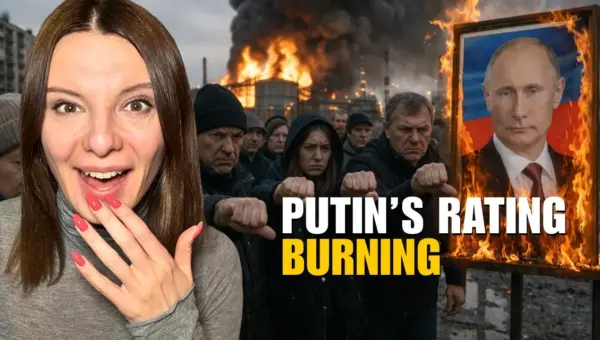
Ukrainian drone strikes are crippling Russia's oil exports and damaging its economy, leading to falling domestic support for President Putin. The targeted attacks on refineries and terminals aim to cut off war funding and have significant geopolitical consequences.
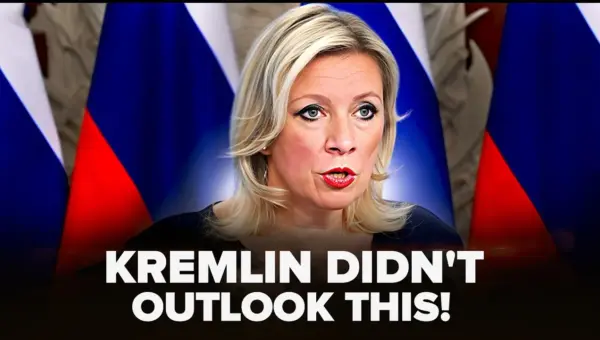
Russia’s TV Dreams of Dividing Europe
Russian state television broadcasts increasingly aggressive rhetoric, discussing the division of Europe and dismissing Ukraine's statehood. This contrasts with battlefield realities and official diplomatic stances, highlighting a dual strategy of projecting strength and seeking geopolitical advantage. Analysts warn that these televised fantasies ignore the ongoing war and Ukraine's fight for sovereignty.
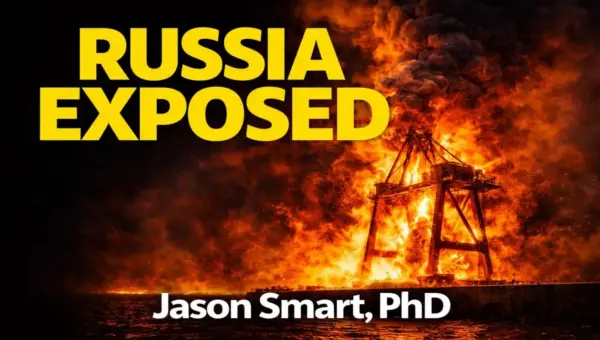
Ukraine Strikes Russian Oil Hubs, Straining War Funding
Ukraine's repeated strikes on Russian oil export terminals are targeting the financial backbone of Moscow's war machine. These attacks aim to cripple Russia's revenue streams and force a costly defense of its energy infrastructure, creating significant economic and political pressure on the Kremlin.