Russian Elites Flee as Putin’s Grip Weakens
Russian elites are fleeing the country amid intensifying internal power struggles and economic decline. Wealthy Russians are reportedly taking billions out of the country, signaling a loss of confidence in the Putin regime. Disruptions in Moscow and stress on the banking sector highlight growing instability.

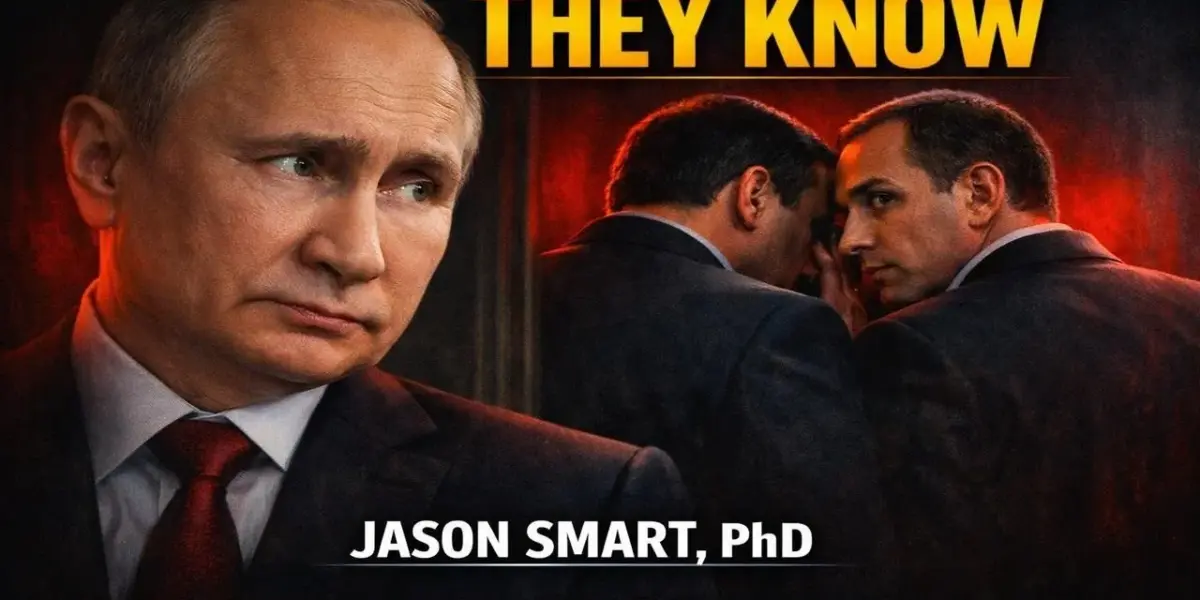
Russian Elites Flee as Putin’s Grip Weakens
Recent events in Russia suggest a significant internal struggle and growing instability within the Kremlin. Reports indicate widespread disruptions, including phone and internet outages in Moscow and difficulties for citizens withdrawing cash from banks. These issues point to deeper problems beyond the ongoing war in Ukraine and the country’s deteriorating economic situation.
Internal Power Struggles Intensify
The current turmoil appears to be fueled by an escalating power struggle between different factions within the Russian government. Former Defense Minister Sergey Shoigu and his allies are reportedly being sidelined by individuals from the intelligence services. This internal conflict is characterized by efforts to seize assets and consolidate power, with insiders seemingly preparing for a future where they and their families are no longer in control.
Dr. Jason Smart, a special correspondent and national security adviser with over 20 years of experience studying the Putin regime, notes that this period is unusually dynamic. “Right now is a very interesting period of time and we’re not really quite sure what is going to happen next,” he stated. The situation is made more critical by Russia’s status as a nuclear power actively engaged in conflicts and supporting various groups globally.
Mass Exodus of Wealthy Russians
A striking indicator of this instability is the significant number of wealthy Russians leaving the country. Following the full-scale invasion of Ukraine, an estimated 25% of Russian billionaires listed by Forbes departed within weeks. The Wagner group’s mutiny prompted another wave of departures, with 15 more billionaires leaving. These departures represent an estimated $110 billion leaving Russia, signaling a profound lack of confidence in the country’s future stability among its economic elite.
These wealthy individuals, who profited immensely under Putin’s system, are not acting as patriots. Instead, they are described as “predators inside of a failing empire,” seeking to extract as much value as possible before the system collapses. This behavior is compared to corporate raiders who prioritize short-term profit over the long-term health of a company.
Corruption and State Assets
Evidence suggests that the actions of these elites are driven by self-interest and profit rather than national loyalty. For instance, individuals like Patreov, a long-time associate of Putin, and Cordovan, a deputy director of the FSB, reportedly collaborate in a corporation that receives billions in state contracts. These contracts are for services like blocking internet access, raising questions about how much of the current situation is designed to enrich insiders.
The Russian government is increasingly nationalizing private assets to compensate for declining revenues. Since the invasion began, Moscow has seized approximately $50 billion in private assets, including stakes in over 400 companies. The Kremlin plans to generate an additional $1.2 billion by selling these seized assets. This practice, likened to actions in Venezuela under Hugo Chavez, highlights the regime’s focus on extracting wealth rather than fostering sustainable economic growth.
Economic Strain and Military Financing
Russia’s economic foundations are showing significant cracks. Oil and gas revenues have fallen by 47% by 2026, partly due to Ukrainian drone strikes on nearly 160 Russian oil facilities in 2025 alone. Attacks on infrastructure, such as the Transneft pipeline which lost 250,000 barrels per day in capacity, have directly impacted Russia’s ability to export oil.
The banking sector is also under severe stress. In January alone, citizens withdrew $19 billion, with only a fraction returning to the system. This outflow means approximately 71% of the withdrawn cash is leaving Russia. Think tanks close to the Kremlin warn of cascading defaults in the banking sector if the situation is not resolved. The central bank has already had to inject about $37 billion to support struggling banks.
Putin’s Disappearance and Regime Fragility
Amidst these crises, Vladimir Putin himself has reportedly disappeared for extended periods, leaving many unsure of his whereabouts or level of control. Observers suggest Putin is not actively managing the day-to-day affairs of the country, often waking late and engaging in leisurely activities. His public appearances are sometimes fabricated, and he is believed to spend time in bunkers, isolated due to fears of surveillance.
This perceived absence and the internal purges, such as the imprisonment of nationalist critic Igor Girkin and the institutionalization of pro-Putin commentator Romanov for criticizing the regime, demonstrate the increasing fragility of Putin’s rule. The regime is described as becoming “too brittle to continue standing.” The lawlessness and arbitrary detention of those who pose a threat are becoming hallmarks of Russia’s internal governance.
Strategic Implications
The widespread flight of Russian elites, coupled with the economic pressures and internal power struggles, suggests that the Putin regime is facing unprecedented internal challenges. The focus on self-enrichment over national interest by those in power makes them difficult to negotiate with, as their primary motivation is personal profit rather than the long-term welfare of Russia. The weakening of Russia’s economic base, particularly its oil and gas revenues and banking sector, will likely impact its ability to sustain its military operations and global influence.
Ukraine’s innovative drone attacks on Russian energy infrastructure are proving effective in degrading Russia’s economic capacity. This pressure, combined with the internal dissent and the exodus of wealth, creates a volatile situation within Russia. The regime’s authoritarian response, silencing critics and seizing assets, further underscores its instability and desperation. The future of Russia appears increasingly uncertain, marked by internal decay and external pressure.
Source: Putin’s Insiders Are Getting Out (YouTube)

Related Articles
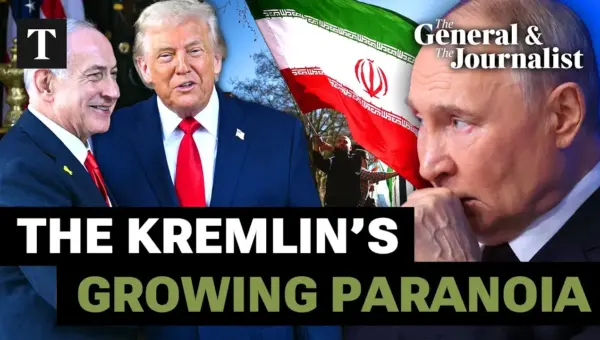
Kremlin Shakes: Elite Discontent Fuels Putin’s Paranoia
Internal turmoil and paranoia are reportedly gripping the Kremlin as President Putin faces growing elite discontent and the realities of the Ukraine war. Meanwhile, Russia's strategic involvement in the Iran conflict highlights complex calculations and potential risks, even as a wider global war remains unlikely.
Ukraine Hits Russian Oil, Pentagon Eyes Aid Shift
Ukraine's strikes are crippling Russian oil exports, with 40% of capacity offline. Meanwhile, the Pentagon may shift air defense aid to the Middle East. Ukraine is countering by deepening ties with Saudi Arabia and other Gulf nations, leveraging its combat experience.
Ukraine Strikes Russian Oil Refinery, Eyes Iran Threat
Ukrainian forces struck a key Russian oil refinery, disrupting Moscow's war capabilities. Meanwhile, Finland's president urged continued U.S. support for Ukraine, as Kyiv shares its air defense expertise globally amid growing geopolitical complexities involving Iran and potential sanctions against Hungary.