Russian Army Morale Collapses Amid “Zeroing Out” Abuses
A new investigation reveals the Russian military's widespread use of "zeroing out," a practice of systemic abuse, extortion, and violence against soldiers by their own commanders. This internal brutality is reportedly fueling morale collapse, driving desertions, and paradoxically serving as a tool for the Kremlin to maintain offensive momentum despite immense human cost.

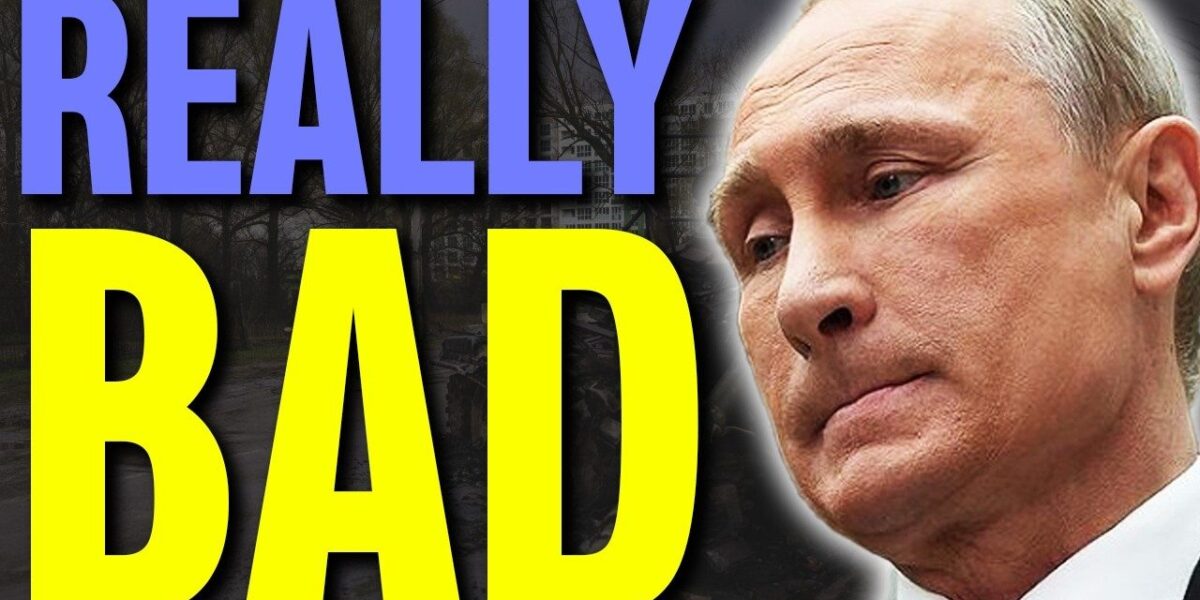
A recent investigation by Russian opposition media outlet Verstka has shed light on a disturbing practice within the Russian military, euphemistically termed “zeroing out.” This systemic abuse, where soldiers are allegedly exploited, beaten, and even quietly erased by their own commanders, is reportedly contributing to a significant collapse in morale and a surge in soldiers attempting to leave service. Families seeking justice are met with silence and stalled investigations, suggesting a deliberate tolerance of these actions by the state, which paradoxically benefits from such practices as a tool to maintain forward momentum on the battlefield.
The Corrupt Violence Turned Inward
While conventional warfare typically highlights external threats, the investigation reveals that for many Russian soldiers, the most immediate danger originates from within their own chain of command. Testimonies compiled by Verstka describe systematic and tolerated abuse, including physical violence against soldiers who refuse orders for assaults with a “zero chance of success.” Soldiers are also reportedly extorted for promised state payments and subjected to informal punishments that leave no official record. Families attempting to report these incidents find their complaints ignored, investigations stalled, and prosecutors unresponsive. This internal rot, which logically should damage morale, deter recruitment, and lead to desertion, is seemingly permitted by the Kremlin because the military is being utilized not as a professional fighting force but as a ‘human conveyor belt’ pushing bodies forward regardless of cost. Officers are incentivized by territorial gains rather than soldier welfare, and the use of intimidation, beatings, or elimination of those who resist is implicitly sanctioned to avoid hesitation, which is deemed more dangerous than cruelty in this context.
Privilege, Immunity, and Cash Flow
In Vladimir Putin’s Russia, loyalty to the regime is often rewarded with privileges, a practice historically extended to security services and law enforcement. The current conflict has expanded this logic to the military hierarchy, granting officers a de facto immunity enforced through practice rather than law. This immunity, however, comes with a price: officers are allegedly permitted to enrich themselves by skimming from soldiers’ salaries, stealing injury compensation, engaging in supply scams, and extorting desperate families. This corruption is framed not as a side effect but as an incentive mechanism. Commanders who deliver troops to the front, even through illicit means, are considered more valuable than ethical officers who might hesitate due to legal concerns. The system relies on fear flowing downwards and protection flowing upwards. However, this arrangement inevitably leads to leaks, with stories and videos circulating, damaging the army’s reputation among potential recruits.
Forced Recruitment Meets Grim Reality
The Russian military’s recruitment efforts offer substantial financial incentives, including large upfront payments, high monthly salaries, and debt forgiveness, presenting a seemingly irresistible escape for individuals in struggling regions. However, the reality on the ground quickly dispels propaganda. In close-knit communities, the experiences of recruited soldiers—their conditions, communications, and eventual silence—are quickly shared through personal networks. Fear of internal violence, including beatings, extortion, and punishment for refusing suicidal orders, now rivals the fear of the battlefield itself. This dread often outweighs the lure of financial bonuses, leading to decreased recruitment numbers and rising desertions. Mediazona estimates tens of thousands of desertion-related cases, representing significant financial losses for the state with no return. Instead of addressing the issue by disciplining abusive officers, the violence reportedly intensifies, as the Kremlin believes there will always be a new wave of desperate men available for enlistment, especially if the wider public remains indifferent to these atrocities.
How the System Learned to Be This Way
The Russian military’s propensity for violence and abuse predates the current full-scale invasion, but the normalization of executions within units is a more recent development. This culture was cultivated through several influences. Firstly, the ‘breakaway regions’ in eastern Ukraine, long functioning as lawless zones, fostered commanders with experience in environments where violence had no consequences. Secondly, the influx of convicts into the military, drawn from Russian prisons where brutality is routine, brought their penal colony culture with them. Finally, the Wagner Group, under Yevgeny Prigozhin, openly glorified internal executions as a disciplinary method, making brutality synonymous with effectiveness. These elements—violent commanders from occupied territories, ex-convicts, and Wagner’s brutal tactics—have migrated into the regular army, creating a force that relies on terror. Soldiers obey self-destructive orders not out of conviction but out of fear of immediate reprisal. Without this fear, the entire structure risks collapse. Consequently, the Kremlin sees no alternative but to double down on these methods, as punishing abusive officers would expose the lack of clear objectives and motivation for the war, leaving fear as the only viable tool to maintain the fragile structure.
The documented horrors are not isolated incidents but the very mechanism sustaining the war. This bleak reality serves as a stark warning to anyone considering enlistment for financial gain.
Source: Z-Army Situation SIGNIFICANTLY WORSENS. 'Nullifications' Skyrocket. Morale COLLAPSES (YouTube)

Related Articles

Ex-Russian Soldier Seeks UK Asylum After Ukraine War Ordeal
A former Russian army conscript, Alisha Hassanov, has claimed asylum in the UK after a harrowing experience fighting in Ukraine. Arrested in Russia for an expired work permit, he was forced to choose between prison and fighting, ultimately escaping to Europe and then crossing the Channel.

Russia’s Economy Crumbles Amidst War and Sanctions
Russia is facing a severe economic crisis marked by business closures, high inflation, and a growing budget deficit, exacerbated by war costs and sanctions. Even state media acknowledges the widespread hardship, as consumer power dwindles and vital sectors like oil and defense struggle with funding shortages.

Ex-Russian Soldier Seeks UK Asylum After Ukraine War Ordeal
Alisha Hassanov, a former Russian army conscript originally from Tajikistan, has sought asylum in the UK after being forced to fight in Ukraine. He detailed a harrowing escape that involved crossing multiple borders and a dangerous sea crossing.