Russia Wins Big as Mideast Crisis Diverts US Focus from Ukraine
The ongoing crisis in the Middle East has inadvertently become a major win for Russia, boosting its economy through higher oil prices and creating strategic geopolitical advantages. As global attention shifts away from Ukraine, Moscow finds itself in a stronger position, both economically and internationally.

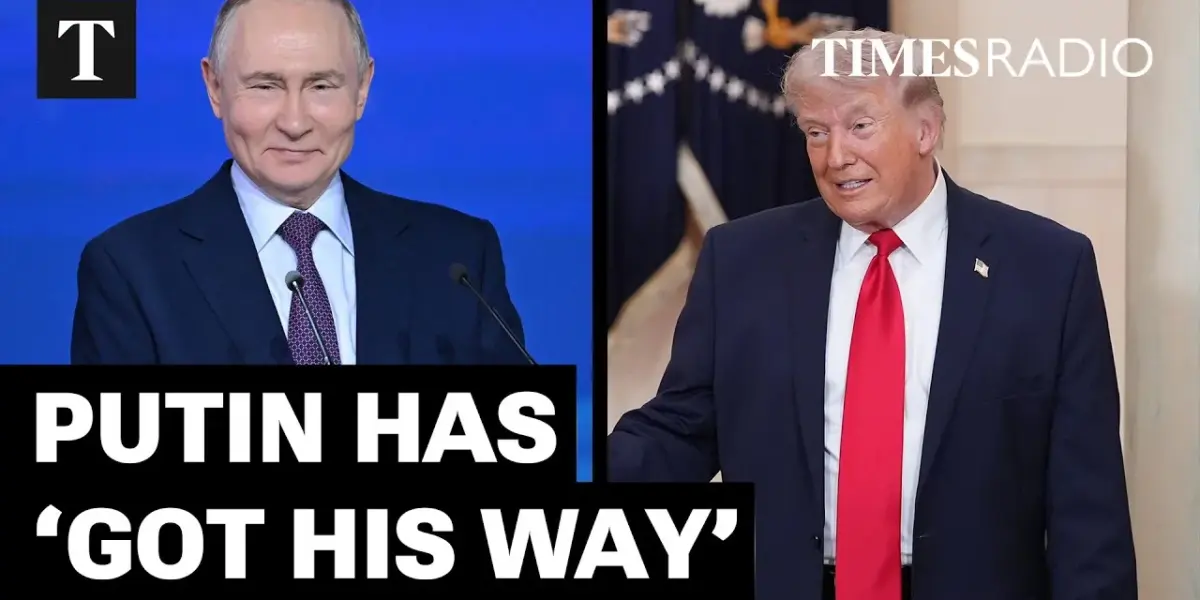
Russia Emerges as Key Beneficiary of Middle East Conflict
As a new crisis unfolds in the Middle East, Russia, under Vladimir Putin, appears to be the only clear winner. The conflict has shifted global attention and resources away from Ukraine, providing significant economic and strategic advantages for Moscow. This development offers a welcome respite for Russia’s struggling economy and bolsters its geopolitical standing.
Economic Windfall for Russia
The Middle East crisis has directly benefited Russia’s economy, particularly its oil sector. With increased global demand and concerns over supply disruptions, oil prices have surged. This rise in oil prices means higher revenues for Russia, which has been struggling with economic pressure. Just weeks ago, the talk was about precious missiles and ammunition being used in the Middle East, resources that were badly needed to defend Ukraine. Now, the focus has shifted to oil prices and new oil contracts, a development that is extremely beneficial for Russia’s economy.
The value of Russian oil exports has significantly increased. Last year, Russians began to feel the strain of a struggling economy, with rising prices impacting daily life. The current crisis appears to have completely changed that dynamic, easing economic pressure on Russia.
Geopolitical Advantages and Shifting Alliances
Beyond economics, the Middle East crisis is creating significant geopolitical opportunities for Russia. The conflict has strained relationships between the United States and its European allies, creating a rift that Russia is keen to exploit. Russian commentators, often aligned with the Kremlin, have suggested that European allies could face consequences in Ukraine for actions perceived as undermining efforts to address the Middle East situation.
This situation presents a clear message from Moscow: more global instability benefits the Kremlin’s strategy. Russia is actively positioning itself as a reliable partner for nations seeking alternatives to existing world orders. It is already making aggressive moves in regions like Africa and South America, offering assistance to leaders in volatile situations. The narrative being pushed is that in this uncertain world, Russia can provide support.
NATO and US Leadership Under Scrutiny
The crisis has also brought renewed attention to the strength and unity of NATO and the broader US-led international order. Statements from figures like former President Trump, suggesting a potential withdrawal from NATO or conditioning aid to Ukraine on support for Iran, have been seen as highly advantageous to Putin. For years, Putin has viewed NATO expansion as a primary threat, and any suggestion of weakening the alliance is a significant strategic gain.
The Kremlin has historically viewed NATO’s expansion eastward as a direct challenge. Now, with discussions about the potential fracturing of alliances, it appears that Putin’s long-held concerns are being amplified, creating a strategic opening.
Moscow’s View on Donald Trump
The perception of Donald Trump in Moscow is complex. While there was once a sense of jubilation, with many in Russia believing he could quickly end the war in Ukraine, that view has become more ambiguous. Many Russians are indeed tired of the war, even if they are not bearing the brunt of the suffering. They still see Trump as a strongman who might be able to resolve the conflict.
However, there is also growing frustration with his unpredictable nature and sudden changes in opinion. This mixed perception means Moscow views Trump as potentially useful but also unreliable. The Kremlin has often spoken approvingly of Trump in the past, and his current rhetoric continues to resonate with certain strategic goals.
The Outlook for Peace in Ukraine
Despite the potential for a settlement, there is little indication that Russia is ready for serious negotiations to end the war in Ukraine. While some individuals within Russia may desire peace, powerful factions within the security services and the military see the ongoing conflict as essential for their own survival. They are prepared to continue fighting for as long as necessary.
This strategic imperative means that even as Ukraine seeks renewed support and diplomatic solutions, Russia’s internal dynamics suggest a continued commitment to the war. The current geopolitical landscape, with its numerous distractions, further enables Moscow to pursue its objectives without immediate pressure for a resolution.
Source: Trump Has Handed Putin Everything He Wanted Out Of The Iran War | Andrei Soldatov (YouTube)

Related Articles
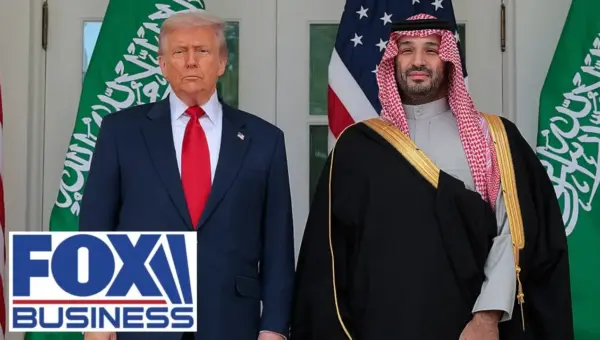
Gulf Allies Back US on Iran, Want Straits Open
Gulf nations are growing tired of Iran's aggressive actions and are backing U.S. efforts to keep the Strait of Hormuz open. Despite support from regional allies, traditional Western allies show hesitation, leading to a divided international front.

Trump’s Iran Strategy Faces Backlash, Domestic Division
President Trump's strategy towards Iran is drawing criticism for its mixed messaging and potential to backfire. While military actions are underway, domestic divisions and uncertainty about long-term goals are creating significant challenges. The situation raises questions about the effectiveness of the current approach and its impact on regional stability and global markets.
Iran War Declared Over: US Seeks Exit Amid Domestic Focus
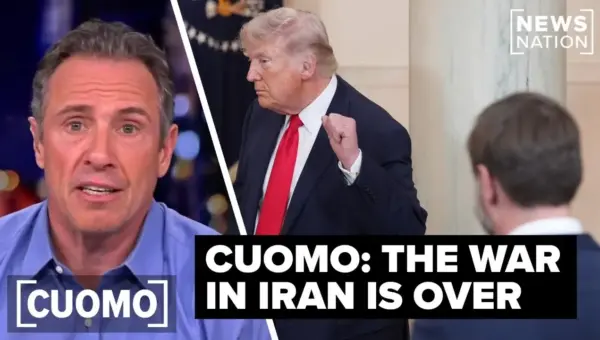
The U.S. appears to be signaling an end to its military conflict with Iran, driven by a need to focus on domestic issues. President Trump's recent speech suggests a desire for de-escalation, despite aggressive rhetoric. The analysis highlights economic hardship, contradictory messaging, and the pressing challenges at home as key drivers for this shift.