Russia Weakened, Faces Limits in Ukraine War
Russia's war in Ukraine is entering a new phase, with Ukrainian forces making gains and Russia facing growing limitations in manpower and resources. Internal controls within Russia and shifting global attention to the Middle East add complexity to the conflict's trajectory.

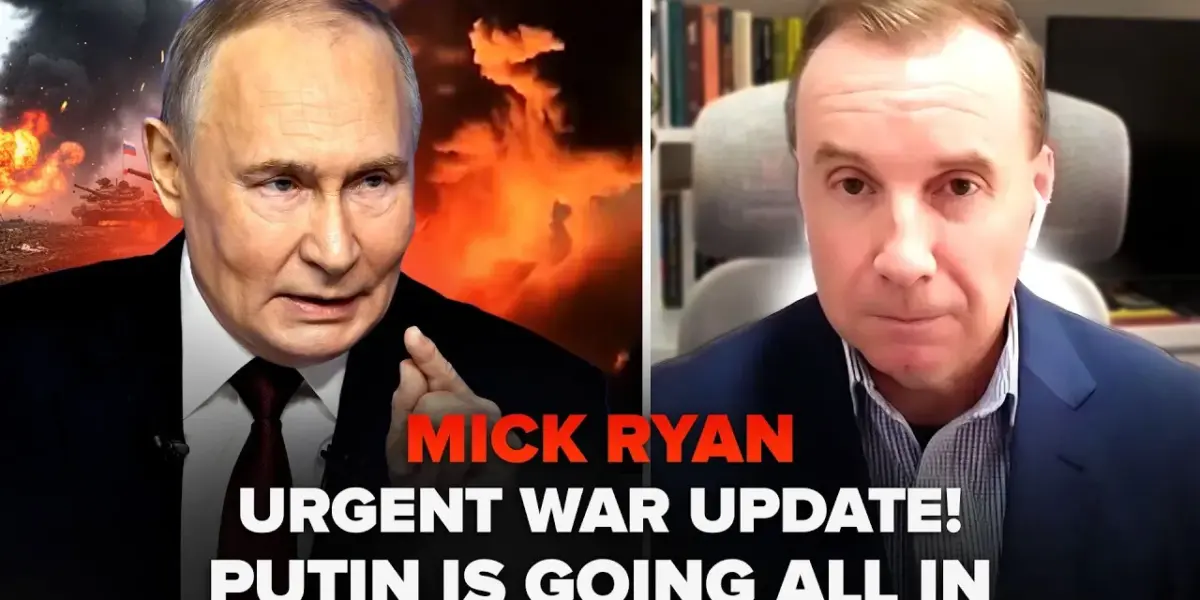
Russia Faces Growing Limits in Ukraine Conflict
The war in Ukraine is entering a new, complex phase, marked by Ukrainian gains in the Donetsk region and Russia’s increasingly unconventional responses, including drone strikes on central Kyiv. As global attention shifts, questions about Western unity and the war’s ultimate direction are growing.
Ukraine Pushes Back, Russia’s Capacity Tested
Ukrainian forces have repelled intense Russian offensives, pushing back in the south and liberating territory. Retired Australian Army Major General Mick Ryan notes that while the Russian army remains large, its offensive capabilities are being tested. The main Russian effort this year has focused on the heavily fortified cities in Donetsk, a strategy likely to continue into any spring offensive in 2026.
Manpower Strain on Russian Forces
Russia is approaching its limits in replacing battlefield losses. While it has managed to recruit and replace soldiers over the past few years, Ukraine’s strategic aim for 2026 is to significantly increase Russian casualties. This aims to outpace Russia’s ability to regenerate its forces through recruitment and reinforcement. Major General Ryan believes Ukraine is capable of achieving this goal.
Drones and Technology Shift Battlefield Dynamics
The increasing use of Ukrainian drones and advanced technologies is contributing to Russian soldiers surrendering. This highlights Ukraine’s technological advantage and adherence to international laws of war, treating prisoners of war with respect, unlike Russia’s treatment of Ukrainian POWs.
Internal Russian Controls and Fears
Inside Russia, authorities are restricting communications by shutting down mobile internet in multiple regions, including Moscow. Basic services like payment systems are failing, leading some Russians to use paper maps. Analysts suggest this could be preparation for unpopular political decisions by the Kremlin. However, other factors likely include Russia’s desire to counter Ukrainian cyber capabilities and prevent internal organization and protests due to high casualties and limited battlefield gains.
“He should be afraid because he’s an international war criminal and he should never be allowed to rest to be quite honest and he should live in fear of arrest and capture.” – Major General Mick Ryan
Geopolitical Ripples: Middle East and China
The conflict in the Middle East is drawing global attention, potentially distracting from Ukraine. China appears to be benefiting economically from the situation, having stockpiled resources. Beijing is also learning military lessons from the Middle East’s security dynamics, particularly regarding integrated air defense systems and drone warfare, which could inform its strategy towards Taiwan. The Iranian initiative to price oil in Chinese currency also aligns with China’s goal of reducing US dollar dominance.
Putin’s Paranoia and Security Measures
President Putin has reportedly increased security around his residence and travels less frequently. This behavior, consistent with dictators’ paranoia about their own safety, is likely amplified by recent events like the assassination of the Iranian leader and the Prigozhin mutiny. Authoritarian leaders worldwide are likely reassessing their personal security in light of these events.
Diplomatic Stances and Western Unity
Donald Trump’s comments suggest a difficulty in negotiating with Ukrainian President Zelenskyy, which Major General Ryan interprets as a reflection of Trump’s character and dislike for leaders with moral and physical courage. Zelenskyy’s firm stance against rewarding aggression is supported by European democracies.
Russia’s Opposition to European Peace Talks
Moscow strongly opposes European involvement in peace talks, preferring direct negotiations with figures like Donald Trump. Russia understands that Europe’s collective power, wealth, and influence are significant, making its participation undesirable for Moscow. This stance highlights Russia’s desire to weaken European influence in security matters.
Shifting US Focus and Allied Relations
Statements about potentially reducing US military presence in Europe suggest a long-term trend of European nations taking greater responsibility for their own defense. The timing of any drawdown is crucial, with concerns that a rapid withdrawal could create capability gaps.
Middle East Conflict: Two Divergent Wars
The situation in the Middle East involves two distinct conflicts: the US campaign to dismantle Iran’s military capabilities and Iran’s economic warfare aimed at forcing a US withdrawal. Both sides have different strategic objectives and theories of victory.
Ukraine’s Global Impact and Future Prospects
President Zelenskyy emphasizes that stopping Russia in Ukraine is crucial to preventing the spread of conflict and instability to other regions. Ukraine’s ability to assist allies, such as offering drone interceptors for Patriot missiles, demonstrates its resilience. However, the redirection of air defense systems like Patriots to the Middle East risks weakening Ukraine’s support. The possibility of restoring civilian flights in Ukraine, while a logical government planning step, faces significant security hurdles due to the ongoing conflict and Russia’s unpredictable actions.
Source: ⚡️Kremlin is panicking over the failure! Putin is entering a new phase of war. Russia is on brink (YouTube)

Related Articles
Pentagon Weighs 10,000 Troops for Iran Showdown
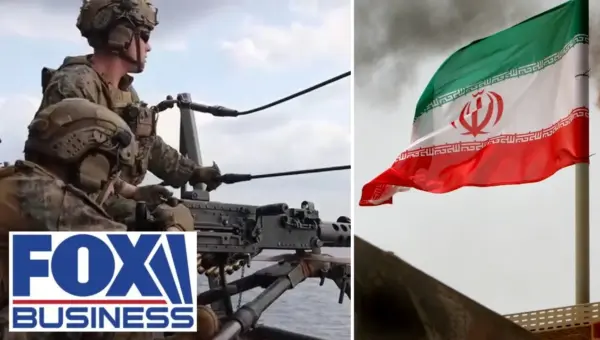
The Pentagon is reportedly weighing a significant troop increase of 10,000 soldiers to the Middle East, potentially escalating tensions with Iran. This move comes amid reports of U.S. precision strikes and interceptions of Iranian missiles by allies, raising concerns about regional stability and global oil supplies.

Iran Strikes US Base: Are We Learning from Mistakes?
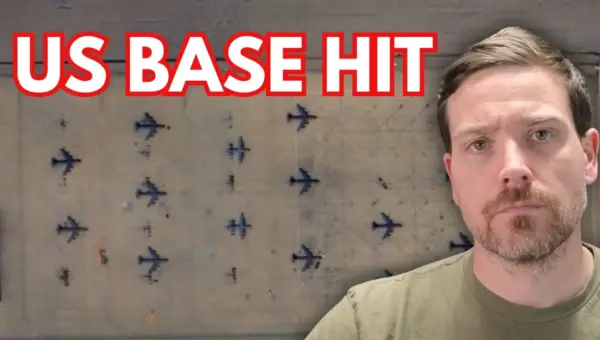
A recent Iranian drone and missile attack wounded American service members and damaged aircraft in Saudi Arabia. This incident highlights concerns about military preparedness and the failure to learn from past mistakes, as exposed aircraft remain vulnerable targets. The ongoing conflict involves complex regional dynamics, including Iran's missile capabilities and the potential involvement of groups like the Houthis, raising questions about future stability.
Iran Conflict Sparks Market Volatility, Experts Weigh In
Geopolitical tensions in the Middle East have rattled global markets, with stocks falling and safe-haven assets like the U.S. dollar strengthening. Experts suggest the market may have overreacted, creating potential buying opportunities, but warn of a "bumpy journey" ahead due to infrastructure damage and potential oil shortages. Concerns also linger about the Federal Reserve's independence amidst political commentary.