Russia Urges Iran to End Hostilities Amid Regional Tensions
Russia has urged Iran to end hostilities and seek a diplomatic solution to the "catastrophically tense" regional situation. This call comes as the U.S. considers troop deployments and President Trump hints at a significant oil-related "gift" from Iran concerning the Strait of Hormuz.

Russia Calls for Diplomatic Resolution in the Middle East
Russia has publicly urged Iran to cease hostilities and pursue a political and diplomatic settlement to the escalating tensions in the Middle East. The top spokesman for Vladimir Putin emphasized that a diplomatic approach is the only way to de-escalate what he described as a “catastrophically tense situation” that has developed in the region. This call comes as the United States considers deploying a combat brigade amidst ongoing Iranian strikes on Israel, further intensifying regional instability.
Geopolitical Maneuvering and Shifting Alliances
The unexpected plea from Russia for Iran to temper its actions has sparked significant analysis. Iran is considered one of Russia’s few remaining staunch allies, providing crucial support, including drones and other military supplies. Strategically, Iran holds a key position for Russia. Analysts suggest Russia’s primary concern might be the potential collapse of the Iranian regime. Such an event could leave Russia in a precarious position, reminiscent of the 1950s, with a powerful American ally situated directly on its doorstep in the Caucasus and Central Asia. This potential scenario is viewed as a significant strategic threat, as it could isolate Russia, leaving it with few outlets for influence.
U.S. Stance on Oil Flow and Potential Deal
Meanwhile, the United States is also navigating the complex geopolitical landscape. President Trump has suggested that Iran is offering the U.S. a significant “gift,” potentially related to controlling the flow of oil in the Strait of Hormuz. He hinted at a deal that could be worth a “tremendous amount of money,” describing it as a “very significant prize.” While not nuclear-related, the President confirmed it was connected to oil and gas flows and the Strait of Hormuz. This suggests a potential shift in how oil shipping routes might be managed, with the U.S. asserting its intention to maintain control over strategic maritime passages.
What Investors Should Know
The escalating tensions in the Middle East and the diplomatic efforts by major global powers have significant implications for the global economy, particularly for energy markets. The Strait of Hormuz is a critical chokepoint for global oil supplies, with roughly 20% of the world’s petroleum liquids passing through it daily. Any disruption or change in control over this vital waterway can lead to increased oil prices and volatility. Investors closely watch these geopolitical developments as they can directly impact inflation, corporate earnings, and overall market sentiment. The potential for a deal involving Iran and the U.S. regarding oil flow could stabilize or alter energy prices, affecting energy companies, transportation costs, and consumer spending worldwide. The involvement of Russia and its concerns about its alliances add another layer of complexity, highlighting the interconnectedness of global security and economic stability.
Market Impact
The situation presents a complex interplay of geopolitical risks and potential economic opportunities. Russia’s move to caution Iran could be interpreted as an attempt to stabilize a region vital to its own interests, even at the cost of pressuring an ally. This could lead to a short-term cooling of immediate hostilities, potentially easing some pressure on oil prices. However, the underlying issues remain, and the possibility of regime change in Iran or further escalation cannot be discounted. The U.S. stance, as articulated by President Trump, suggests a focus on securing energy interests and potentially leveraging diplomatic wins for economic advantage. For investors, this environment calls for careful monitoring of energy supply dynamics, international relations, and any official statements regarding trade and security pacts. While direct intervention or conflict could lead to sharp market downturns, successful diplomatic outcomes or stable oil flow agreements could foster a more predictable economic environment. The long-term implications depend on the sustainability of any diplomatic resolutions and the broader geopolitical realignment in the region.
Source: Russia warns Iran to end hostilities in ‘CATASTROPHICALLY TENSE’ situation (YouTube)

Related Articles

G7 Allies Clash Over Iran War Strategy, Urge Focus on Russia
G7 foreign ministers met in Paris, revealing deep divisions over the U.S. war with Iran. European allies urged the U.S. to pressure Russia, linking its actions to the conflict and fearing support for Ukraine will wane.
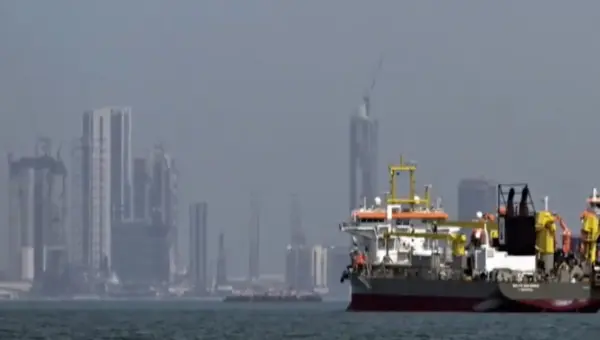
Iran Blocks China Ships, Exposing Beijing’s Weak Grip
Iran's recent decision to block Chinese ships at the Strait of Hormuz is exposing the limits of Beijing's influence in the Middle East. This action is causing delays and cancellations for Chinese manufacturers, turning a perceived geopolitical win into an economic strain.
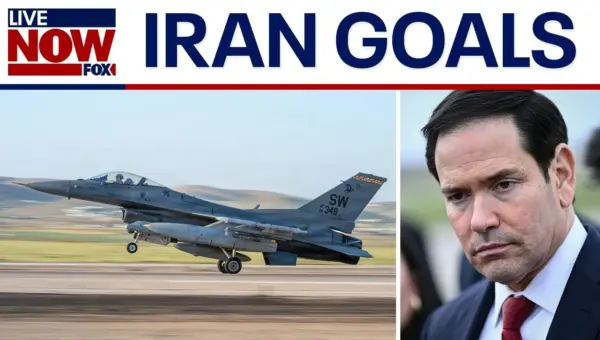
Rubio: US Can Achieve Iran War Goals Without Troops
Senator Marco Rubio outlined a strategy to counter Iran without deploying U.S. ground troops, focusing on weakening the regime and enhancing maritime security. He also criticized Cuba's economic system and expressed concerns about West Bank violence.