Russia Threatens Europe with Factory Strikes
Russian state media is issuing direct threats to strike factories in Europe that produce weapons for Ukraine. Propagandists are advocating for attacks on these "decision-making centers," aiming to disrupt Western military aid. The rhetoric also includes commentary on European politics and alleged election interference.

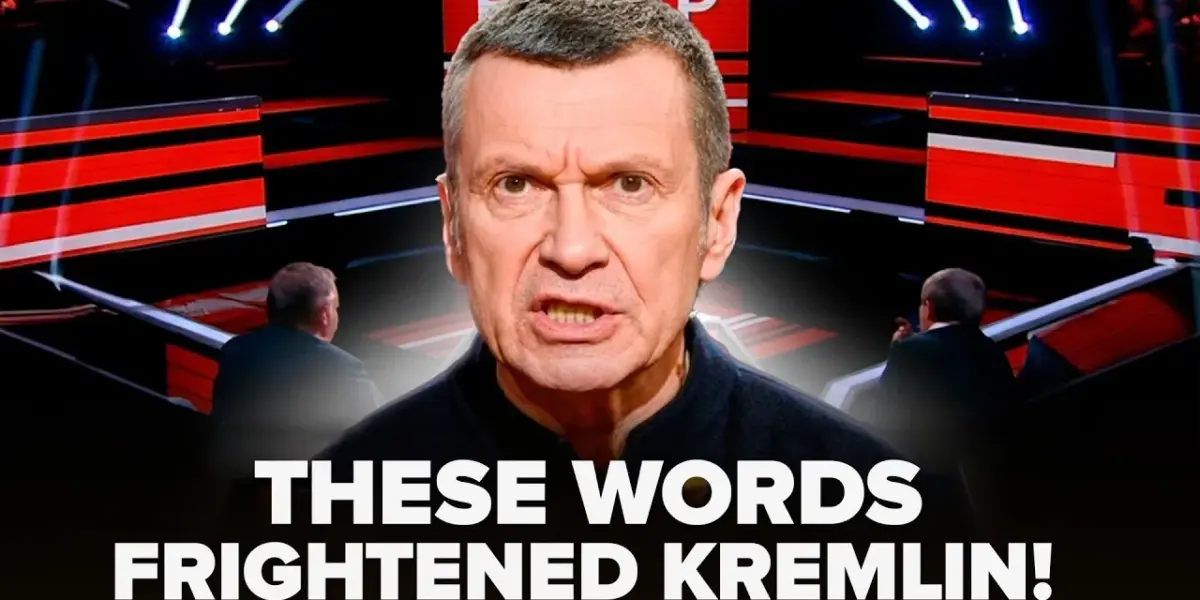
Russia Threatens Europe with Factory Strikes
Russian state media is escalating its rhetoric, directly threatening to strike factories in Europe that produce weapons for Ukraine. This aggressive stance, amplified by propagandists, signals Moscow’s intent to disrupt Western military aid to Kyiv. The threats suggest a willingness to expand the conflict beyond Ukraine’s borders.
Propagandists Advocate Direct Strikes on Europe
Prominent Russian television personalities are openly discussing the possibility of attacking Ukrainian and Western weapon production facilities located within Europe. One commentator suggested that if Iran can strike targets, Russia should similarly target what they call “decision-making centers” in Europe. These targets would include factories involved in producing or planning to produce Ukrainian and Western weapons, with specific mentions of locations in Germany. The narrative pushed is that Europe would not retaliate effectively, especially if the United States does not intervene.
This line of argument suggests a belief within Russian media circles that Europe is weak and unable to defend itself against such direct attacks. The propaganda aims to intimidate European nations into halting their support for Ukraine. By threatening these production capabilities, Russia seeks to cut off Ukraine’s access to crucial military supplies and undermine its ability to continue fighting.
Geopolitical Maneuvering and Election Interference
The discussion also touches upon the complex political landscape in Europe, particularly concerning Hungary. Russian state media is notably defending Hungarian Prime Minister Viktor Orbán, who has opposed certain EU sanctions and aid packages for Ukraine. This defense is framed as support for a leader who questions the established EU stance on Ukraine. Simultaneously, Russian media accuses the EU of interfering in Hungary’s upcoming elections, a claim that contrasts with reports from sources like the Financial Times suggesting Russian interference in those same elections.
The narrative around Hungary highlights a broader Russian strategy: to sow division within the European Union and weaken its unified response to the war. By championing Orbán and criticizing EU leadership, Moscow attempts to exploit existing political fissures. The underlying goal is to isolate Ukraine further and reduce the flow of Western support.
Divergent Views on War Origins and Responsibility
Within the Russian media sphere, there are attempts to reframe the origins of the conflict. Some commentators argue that the war is a response to NATO’s eastward expansion and Ukraine’s desire to join Western alliances. This perspective dismisses Ukraine’s agency and portrays Russia as reacting to security threats. This narrative attempts to absolve Russia of responsibility for initiating the full-scale invasion.
Conversely, the analysis from the program’s hosts emphasizes that Russia chose to invade Ukraine, committing alleged war crimes. They highlight that Ukraine’s pursuit of EU and NATO membership was a sovereign decision. The discussion underscores the starkly different interpretations of the conflict’s causes and justifications being broadcast to different audiences.
Strategic Implications
The direct threats against European factories represent a significant escalation in Russia’s information warfare. If acted upon, such strikes would dramatically alter the nature of the conflict, potentially drawing NATO into a more direct confrontation. The propaganda serves to test Western resolve and gauge potential reactions. It also aims to create fear and division among European allies.
Furthermore, the focus on disrupting Ukraine’s domestic and Western-supported arms production underscores a critical aspect of modern warfare. Control over supply lines and manufacturing capabilities is as vital as battlefield success. By targeting these facilities, Russia seeks to achieve a strategic advantage that could cripple Ukraine’s long-term defense capabilities.
Historical Parallels
The rhetoric employed by Russian propagandists echoes historical patterns of state-sponsored media used to justify aggression and incite nationalist fervor. The framing of external threats and the call for national unity against perceived enemies are classic elements of wartime propaganda. The targeting of industrial or military production centers has also been a feature of past conflicts, aiming to degrade an adversary’s ability to wage war.
Weapon Systems and Tactics Discussed
The transcript mentions various weapon systems and tactical concepts. Missiles and drones are cited as Russia’s primary means of attacking Ukraine. The discussion about striking factories implies the use of long-range precision munitions. The mention of Iranian drones highlights the role of international partnerships in supplying weaponry. The concept of targeting “decision-making centers” refers to a strategic doctrine aimed at decapitating an adversary’s command structure or crippling its war-making capacity.
Geopolitical Impact
The heightened rhetoric and potential threats against Europe have significant geopolitical implications. They increase tensions between Russia and NATO, potentially leading to increased defense spending and military readiness in Europe. The division within the EU, as exploited by Russian propaganda, could weaken the bloc’s ability to act cohesively on foreign policy matters. The conflict’s potential spillover into neighboring regions or through proxy actions, as hinted at with Iran’s involvement, further destabilizes the broader international security environment.
Source: 😱Address to Putin BLEW UP AIR! Solovyov went into a hysterical meltdown. Chaos in Moscow (YouTube)

Related Articles

Iran’s ‘Eastern Warfare’ Strategy Tests US Patience
Iran's long-term strategic approach, termed 'Eastern warfare,' challenges traditional Western negotiation tactics. While talks continue, understanding Iran's centuries-old goals is key to navigating regional stability. The US faces the complex task of managing Iran's military capabilities and regional influence.

US Considers Draft Amid Rising Global Tensions
The U.S. administration has not ruled out reinstating the military draft, sparking widespread discussion and concern. This potential policy shift echoes historical periods of conscription and raises questions about national service and global engagement.

Iran War’s Billion-Dollar Daily Toll Shifts US Focus
The war with Iran is costing the US an estimated billion dollars daily, forcing domestic priorities like healthcare affordability to the back burner. Meanwhile, proposed aid for the poor faces cuts to fund the conflict, raising questions about government spending priorities.