Russia Tests NATO Resolve Amid Ukraine War Strain
Russia is testing NATO's resolve by leveraging global tensions and the Ukraine conflict. Experts warn of potential Russian aggression against NATO territory, while Ukraine pushes for peace talks from a position of strength. The U.S. and Europe face a rebalancing of their security relationship.

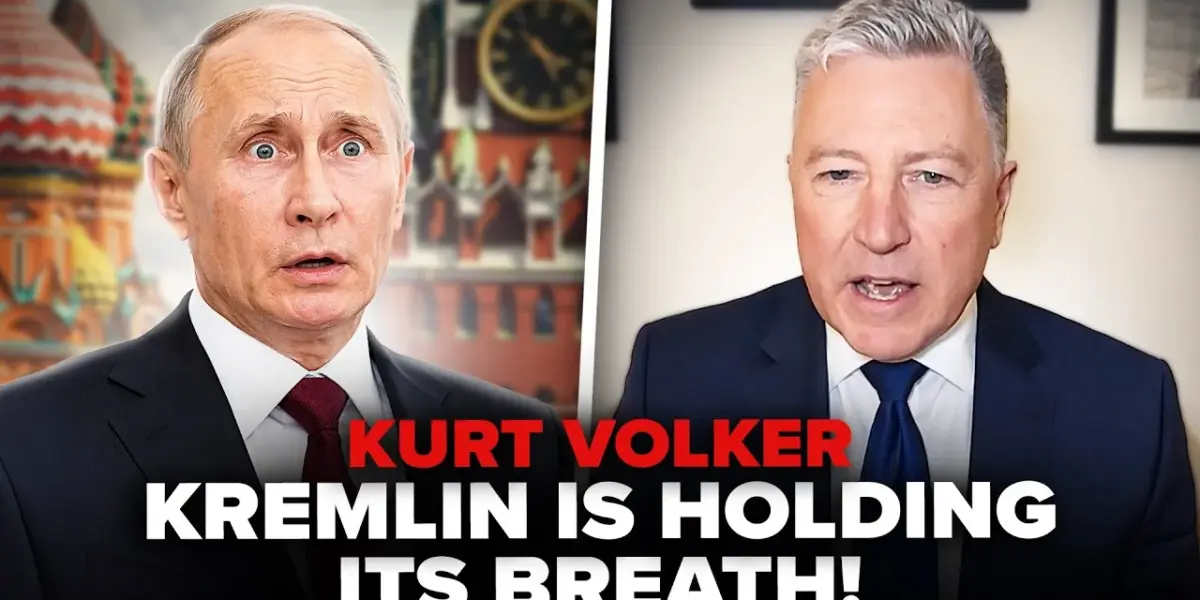
Russia Tests NATO Resolve Amid Ukraine War Strain
Recent geopolitical developments suggest Russia is leveraging global tensions and its ongoing conflict in Ukraine to its advantage, potentially probing NATO’s unity and testing its resolve. While the Kremlin projects confidence in its military campaign, experts warn of potential Russian aggression against NATO territory once the Ukraine conflict potentially de-escalates.
US-Europe Relations Under Scrutiny
Former U.S. Special Representative for Ukraine, Daniel Vulkar, discussed the complex relationship between the United States and its European allies. He noted that while President Trump has been critical of NATO, suggesting it is a “paper tiger” without U.S. backing, the alliance remains capable. Vulkar argued that European nations should have been increasing their defense spending and taking more responsibility for their own security for decades. He anticipates a rebalanced transatlantic relationship over the next ten years, where European allies contribute more significantly to collective security, allowing the U.S. to focus more on the Western Hemisphere and Asia.
Ukraine’s Diplomatic Push
Ukraine, meanwhile, is actively seeking to restart peace talks. President Zelensky’s administration has sent a delegation to the United States, emphasizing the need for negotiations from a position of strength. Vulkar believes that Russian President Putin was never serious about genuine peace talks, viewing them instead as a tactic to gain concessions and sow division between Ukraine and its Western partners. Putin’s current focus on the conflict in Ukraine, which temporarily benefits Russia through increased oil and gas revenues, further reduces his incentive to negotiate a real settlement.
Vulkar praised Zelensky’s strategic approach, including assisting the U.S. with low-cost methods to counter drones and proactively engaging in peace discussions. He stressed the importance of projecting strength and resilience to Putin, indicating that Western support for Ukraine is unwavering and long-term. However, Vulkar expressed concern that the White House might still be underestimating Putin’s intentions, potentially believing a deal is possible based on future business prospects, which he dismisses as unrealistic.
Moscow’s Opposition to European Involvement
Russia’s reluctance to include European nations in Ukraine negotiations is rooted in their understanding of Putin’s tactics. Vulkar explained that Europeans possess a deeper historical, cultural, and linguistic knowledge of the region, enabling them to challenge Putin’s narratives more effectively than the U.S. might. Furthermore, Putin desires to position Russia as an equal to the United States, preferring bilateral talks that sideline Ukraine’s independent agency and the interests of other nations.
Intelligence Maneuvers and Geopolitical Alignment
A recent proposal from the Kremlin to cease intelligence sharing with Iran in exchange for U.S. intelligence support to Ukraine was met with rejection by the White House. Vulkar characterized this as a disingenuous maneuver, highlighting the alignment of Russia, Iran, China, and North Korea with autocratic regimes. He urged the U.S. to stand with democratic nations and those resisting oppression. Vulkar warned that as long as the current Iranian regime remains in power, U.S. interests in the Persian Gulf and beyond will remain targets of Iranian-backed terrorism.
Putin’s Perceived Confidence and Strategic Traps
Putin’s projected confidence in winning the war in Ukraine may stem from several factors. Vulkar suggests it’s a deliberate projection of strength, potentially fueled by misleading reports from Russian military and intelligence services. Putin may also believe he can outlast the West, exploiting perceived divisions and weaknesses. Crucially, Putin faces a domestic trap: admitting the war’s lack of success would undermine his entire justification for launching it, forcing him to maintain a facade of progress to preserve his leadership.
Concerns Over Future NATO Confrontation
Echoing warnings from former Estonian Commander Martin Harm, Vulkar agrees that the West may be harboring dangerous illusions about Russia’s post-Ukraine capabilities. Estonia’s concerns center on Russia potentially preparing for a new confrontation with NATO, possibly through limited operations targeting NATO territory. Such actions could aim to divide the alliance and test its commitment to mutual defense. Vulkar emphasized the critical need for NATO to continuously convey a clear message that any aggression against its territory will not be tolerated, reinforcing the principle of collective defense enshrined in Article 5 of the North Atlantic Treaty.
Source: ⚡️Kremlin fears regime change! Putin is hiding his losses. Russian army is moving toward NATO (YouTube)

Related Articles
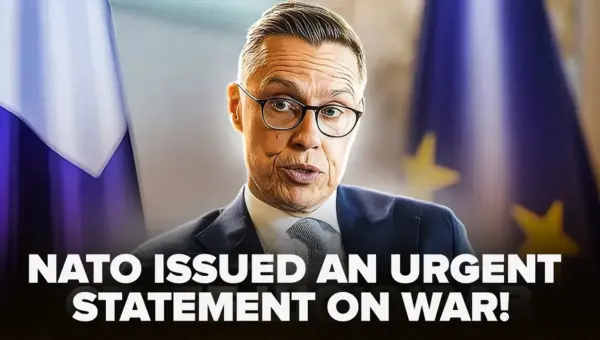
Ukraine Strikes Russian Oil Refinery, Eyes Iran Threat
Ukrainian forces struck a key Russian oil refinery, disrupting Moscow's war capabilities. Meanwhile, Finland's president urged continued U.S. support for Ukraine, as Kyiv shares its air defense expertise globally amid growing geopolitical complexities involving Iran and potential sanctions against Hungary.
Iran’s Missile Threat Reduced by 90%, Analyst Says
An analyst reports that Operation Epic Fury has degraded Iran's missile launchers by 90%, despite challenges in targeting hidden sites. The conflict's duration and media coverage are also discussed, with implications for global energy markets and investor confidence.
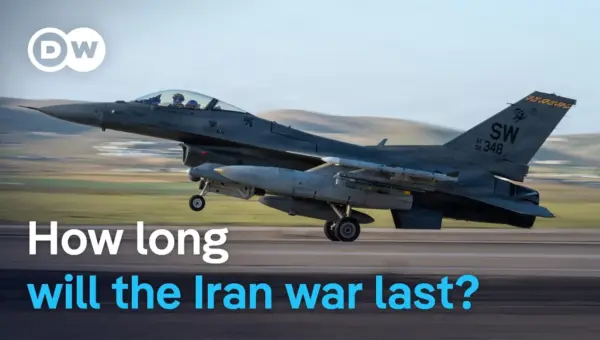
US Official Claims Iran War Could End Soon; Expert Skeptical
Despite US envoy Steve Woff's optimism about imminent talks and a swift end to the conflict with Iran, expert Aaron David Miller expresses significant doubt. Miller argues that a lack of shared urgency and fundamental miscalculations by the US administration make a quick resolution unlikely.