Russia Tests Internet Shutdowns in Moscow
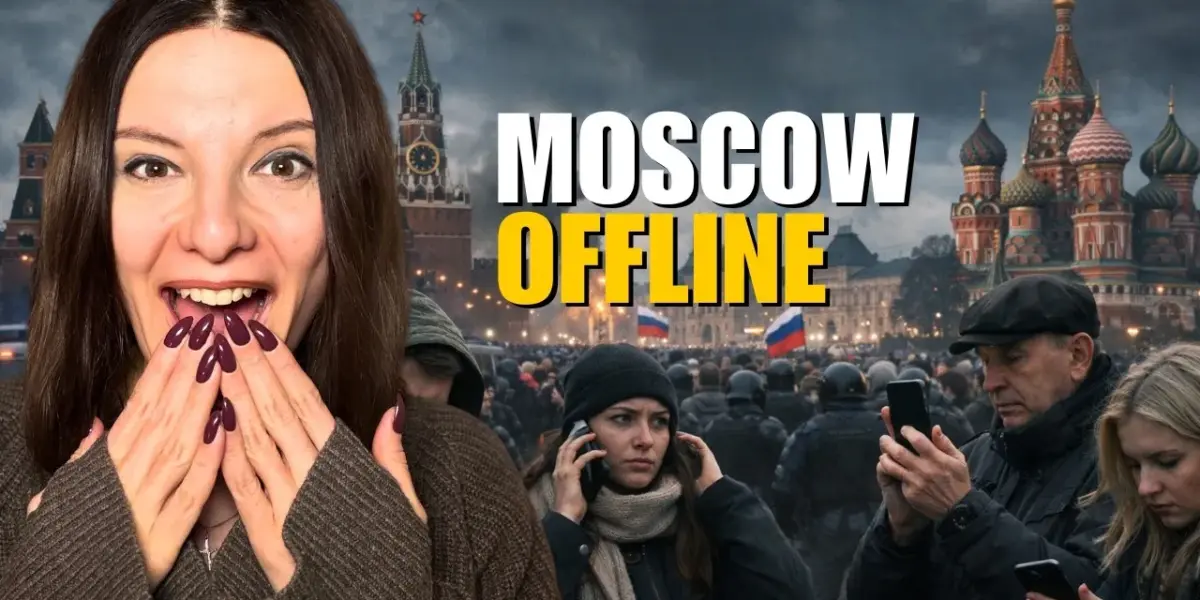
Russia has tested widespread internet and mobile voice call shutdowns in Moscow, a move seen as a measure to control potential protests amid economic woes. Mobile operators attribute the disruptions to 'external restrictions,' suggesting state-level coordination. The tests highlight a growing trend of digital repression and domestic control by the Kremlin.

Russia Tests Internet Shutdowns in Moscow
In a move signaling deepening domestic control, Russian authorities have conducted tests of widespread internet and mobile voice call shutdowns in Moscow, raising concerns about the regime’s response to internal dissent and economic pressures. The tests, which affected residents in central and southern districts of the capital, reportedly began around 8:00 PM on March 5th and lasted until noon the following day, according to reports from Russian tech sources, including those associated with Telegram founder Pavel Durov.
Mobile operators within Russia, such as T2, Beeline, and Megaphone, have denied responsibility for the disruptions, attributing them to “external restrictions” and “necessary security measures.” This suggests a coordinated action by state entities, likely linked to the Federal Security Service (FSB) and the Kremlin, aimed at assessing the feasibility and impact of cutting off digital communication.
Strategic Context: Control Amidst Economic Strain
The shutdowns are widely interpreted as a pre-emptive measure by Vladimir Putin’s government to quell potential protests stemming from mounting economic difficulties and dissatisfaction with the ongoing conflict in Ukraine. With significant budget shortfalls and fears of further economic hardship, including potential freezes on citizen deposits, the Kremlin appears increasingly reliant on controlling information flow to maintain stability.
The transcript notes that Russia has previously ranked high globally for the duration and frequency of internet shutdowns in various regions. Initially, these were often framed as necessary defenses against drone attacks. However, the expansion of such tests to major urban centers like Moscow, far from the front lines, indicates a shift in strategy towards broader domestic population control. This move is particularly significant given the critical role of mobile internet for businesses, personal communication, and access to essential services in the 21st century.
Historical Parallels and Digital Repression
The tactic of restricting internet access to control populations is not unprecedented. Authoritarian regimes globally have employed digital shutdowns as a tool to suppress dissent, particularly during periods of political unrest or economic crisis. Historically, states have used censorship and propaganda to manage public opinion; in the digital age, direct denial of access to information and communication platforms represents a more potent and immediate form of control.
The current situation in Russia echoes concerns raised by the government’s prior actions against platforms like Telegram, which has been a significant channel for information and communication, including within the Russian military. The reported inability of even Russian soldiers to communicate freely highlights the pervasive nature of these restrictions.
What This Means on the Ground
For the average Russian citizen, the internet shutdowns represent a severe disruption to daily life. Businesses that rely on mobile internet for operations face significant losses. Furthermore, the inability to communicate via mobile networks, including voice calls, poses risks to personal safety and emergency response. The transcript emphasizes the deep reliance on mobile phones for everything from ordering taxis to contacting family members.
The tests underscore a growing trend of state-imposed limitations on digital freedoms, which critics argue are antithetical to basic human rights and democratic principles. The contrast drawn with Ukraine, where internet access remains functional despite continuous Russian attacks, highlights the differing approaches to information control and resilience.
Geopolitical Impact and Future Outlook
These actions reflect a deepening isolation of Russia and a turn towards more authoritarian methods of governance. The Kremlin’s focus on domestic control, driven by perceived threats to regime stability, diverts resources and attention from other pressing national and international issues. The transcript speculates that Russia may continue to break records in internet shutdowns, suggesting an ongoing strategy of increased surveillance and control over its population in the coming years, potentially through 2026 and beyond.
The effectiveness of such measures in the long term remains uncertain. While they may temporarily suppress immediate dissent, they also risk exacerbating economic problems and fostering deeper resentment among the populace. The global perception of Russia as a state actively restricting its citizens’ access to information and communication further impacts its international standing.
Source: PUTIN PANICS: TESTING MOSCOW FULL INTERNET SHUTDOWN Vlog 1340: War in Ukraine (YouTube)

Related Articles

Ukraine Strikes Russian Oil Refinery, Eyes Iran Threat
Ukrainian forces struck a key Russian oil refinery, disrupting Moscow's war capabilities. Meanwhile, Finland's president urged continued U.S. support for Ukraine, as Kyiv shares its air defense expertise globally amid growing geopolitical complexities involving Iran and potential sanctions against Hungary.

G7 Allies Clash Over Iran War Strategy, Urge Focus on Russia
G7 foreign ministers met in Paris, revealing deep divisions over the U.S. war with Iran. European allies urged the U.S. to pressure Russia, linking its actions to the conflict and fearing support for Ukraine will wane.


Ukraine’s New Strategy Cripples Russian Oil Exports
Ukraine's new multi-layered strategy is rapidly disabling Russia's oil export capabilities. By attacking loading facilities and working with allies to intercept the "shadow fleet," Ukraine is significantly reducing Russia's oil revenues, even amidst rising global energy prices.