Russia Stretched Thin, Allies Falter: Expert Sees Putin’s Regime at Risk
Former U.S. Army General Ben Hodges believes Russia's inability to aid Iran signals significant strain, potentially pushing Putin's regime towards collapse. He notes rising oil prices benefit Russia indirectly, while a global demand for precision weapons could impact Ukraine's military aid. Hodges also discusses geopolitical shifts, the interconnectedness of global conflicts, and potential 'black swan' events affecting Russia.

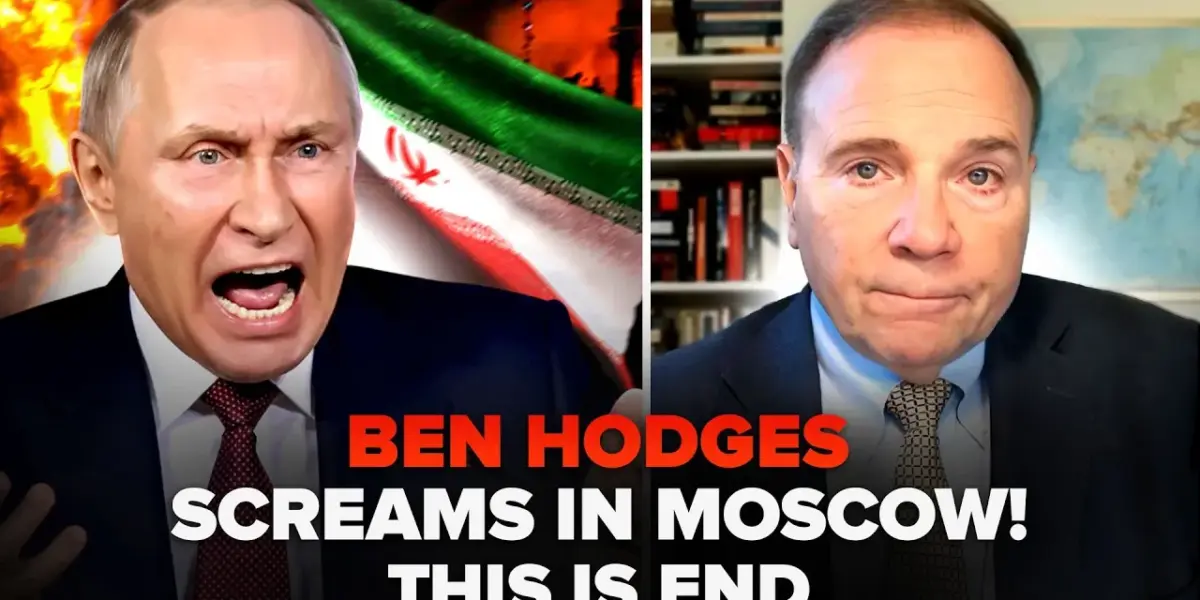
Russia’s Global Reach Tested Amid Iran Conflict, Expert Claims
In a stark assessment of Russia’s current standing, former U.S. Army General Ben Hodges suggests that the Kremlin’s capabilities are significantly strained, potentially pushing its regime to the brink of collapse. Speaking on the 24 Warren Politics YouTube channel, Hodges pointed to Russia’s apparent inability to aid Iran amidst recent attacks as a critical indicator of Moscow’s diminished capacity, both as an ally and on the battlefield in Ukraine.
Iran Conflict Exposes Russian Weakness
The ongoing geopolitical tensions involving Iran, the United States, and Israel have cast a revealing light on Russia’s international standing and military readiness. General Hodges articulated that Russia’s failure to provide substantial support to Iran, a key regional partner, signals more than just unreliability. “This tells me that not only is Russia not a reliable ally, but it means that Russia also is stretched in their war against Ukraine, that they don’t have the capability to do anything to really help uh Iran as it’s under attack from the United States and Israel,” Hodges stated. This inability, he argues, serves as a crucial piece of evidence that Russia is “not unbeatable” and that its victory in Ukraine is far from inevitable.
Economic Ripples: Oil Prices and Russian Revenue
The regional instability has predictably led to a rise in oil prices, a development that indirectly benefits Russia. As global energy markets react to conflict in the Middle East, the increased price per barrel translates to higher revenues for Moscow, even as it continues to sell oil, reportedly illegally, to nations like China and India. “The higher the price of oil uh when they’re selling it illegally to China or India or whoever else um that increases the resources they get. So that’s an indirect uh effect on the war,” Hodges explained, highlighting a complex dynamic where international conflict can bolster Russia’s war chest.
Precision Weapons Shortages and Ukraine’s Needs
A third significant implication for Ukraine stems from the demand for advanced precision weaponry. Both the U.S. and Israel are expending considerable resources on long-range precision strike systems and Patriot interceptors in their operations. Hodges anticipates this will create challenges for supplying Ukraine with such critical munitions. “It will be difficult I imagine to have any excess that that the US could sell to European allies who would then pass that to Ukraine. So there may be some challenges on that front,” he noted, suggesting that Ukraine’s access to vital Western military hardware could be impacted by broader global security needs.
Assessing Iran’s Air Defense Failures
Regarding reports of Russian S-400 air defense systems failing in Iran, Hodges cautioned against definitive conclusions without sufficient data. However, he elaborated on the multifaceted nature of effective air and missile defense. “Having a weapon, the technology is one thing, but being trained on how to use it, uh and also having a a system, uh a network system that uh includes sensors and shooters and people making the right command and control decisions,” he said. Hodges posited that Iran’s air defense systems would have been a high-priority target for U.S. and Israeli forces, likely employing a combination of cyber warfare, electronic jamming, and kinetic strikes to neutralize them.
Shifting Alliances and Geopolitical Uncertainty
The apparent erosion of Russia’s alliances, with countries like Syria, Venezuela, and now Iran facing internal or external pressures, signifies a significant geopolitical shift. Hodges acknowledged the uncertainty surrounding Iran’s future strategic objectives and the potential for continued instability. He noted that the Iranian Revolutionary Guard Corps (IRGC) remains a formidable organization, and its fight for survival could make it particularly dangerous. The immediate post-conflict period, he suggested, will involve extensive battle damage assessments by the Pentagon and Israeli Defense Forces to gauge remaining capabilities.
“We’ve heard several different justifications over the last few days about what he wanted to accomplish, but it’s never been a consistent one thing. And so, if you don’t know the if we’re not really sure about the instate, then you don’t know how this um will develop.”
China’s Strategic Watch and Future Confrontations
China is closely observing the events in Iran, not only for their impact on oil supplies but also to study U.S. military capabilities and ammunition consumption. Hodges suggested that the outcome of these conflicts could influence future diplomatic engagements, potentially strengthening or weakening the U.S. position in discussions with Beijing. The expert also identified potential future flashpoints, including Cuba, and highlighted Africa as a region where Western influence is waning, creating opportunities for Russian and Chinese mercenary activities and security challenges.
World War III Debate and Connected Conflicts
Addressing the contentious notion of World War III, Hodges expressed skepticism about the utility of such labels in the immediate context. He believes Russia is engaged in a “gray zone” conflict with Europe, employing tactics below the threshold of direct NATO Article 5 intervention to sow confusion and pressure Western governments. However, he conceded that the conflicts in Ukraine, Iran, North Korea, and China are interconnected. Defeating Russia, he argued, could isolate Iran and North Korea further and send a powerful deterrent signal to China about the West’s commitment to international law and sovereignty.
Potential for ‘Black Swan’ Events in Russia
When asked about the possibility of unforeseen events, or “black swans,” impacting Vladimir Putin’s leadership and the war in Ukraine, Hodges did not rule them out. While acknowledging the lack of current indicators for such an event, he stressed the importance of clear objectives and strategic resource allocation for the West. He also praised Ukrainian society’s resilience and commitment to defending its sovereignty as crucial factors, especially in the face of unpredictable developments.
Hungarian Obstruction and Electoral Prospects
Hodges commented on Hungary’s obstruction of EU aid to Ukraine, attributing such actions to the current government’s alignment with Kremlin talking points. He expressed optimism that upcoming elections in Hungary could lead to improved relations and an end to such blockages, suggesting a potential shift in Budapest’s stance toward supporting Ukraine.
Source: ⚡️Ben Hodges: Putin is in hysteria! Kremlin regime is on the brink of collapse (YouTube)

Related Articles
Iran War Jolts Global Markets, Threatens Energy Supply Chains
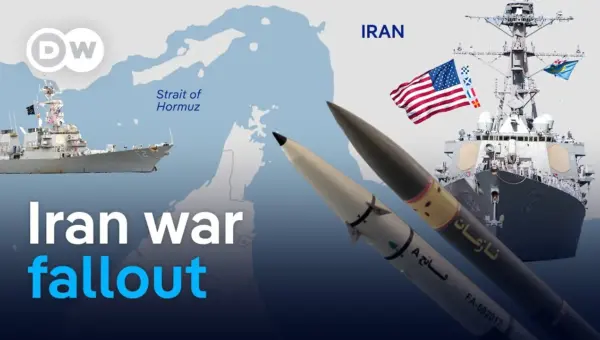
The U.S.-Iran conflict has triggered a global economic shockwave, disrupting vital energy supplies and trade routes. The Strait of Hormuz, a critical maritime chokepoint, faces paralysis, leading to soaring oil prices and threatening supply chains for major economies like China and Europe. Russia stands to benefit from rising energy costs, while consumers worldwide brace for increased prices and potential inflation.


Trump Eyes ‘Friendly Takeover’ of Troubled Cuba
President Donald Trump has signaled a desire for a "friendly takeover" of Cuba, which is currently facing its worst economic crisis in decades. The U.S. strategy involves economic pressure, including cutting off Venezuelan oil supplies, to force the Cuban government into negotiations. The effectiveness of this approach, following a similar operation in Venezuela, remains uncertain.

UK Defence Spending Under Scrutiny Amidst Iran Tensions
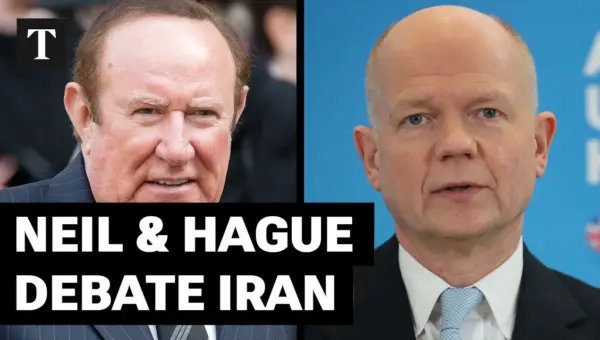
Former Foreign Secretary William Hague has voiced concerns over the clarity and achievability of US war aims in Iran, warning of potential chaos. The debate also highlighted significant gaps in the UK's military preparedness and underscored calls for increased defence spending amidst rising global tensions.