Russia Spreads Fake News to Sway Hungary Election
Russia is reportedly using fake news and manipulated videos to influence Hungary's upcoming elections. Fabricated stories about Ukrainian refugees and alleged assassination plots aim to stir up anti-Ukraine sentiment and deflect blame for economic issues, aligning with Russian foreign policy goals.

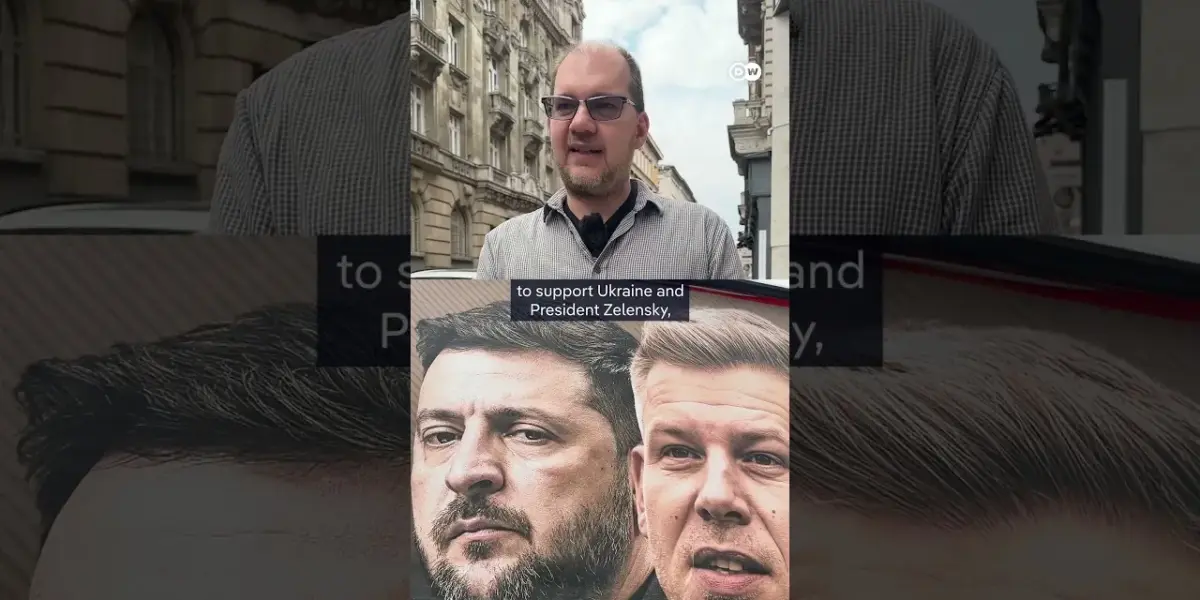
Russia Deploys Fake News Campaign Ahead of Hungarian Elections
Budapest, Hungary – As Hungary gears up for its parliamentary elections on April 3, 2026, a sophisticated disinformation campaign originating from Russia is targeting voters. Fabricated news stories and manipulated videos, disguised as legitimate reports from reputable media outlets like DW News, are spreading online. These false narratives aim to sow discord and increase hostility towards Ukraine, potentially influencing the election outcome.
False Allegations Target Ukrainian Refugees and Opposition
Recent online claims, presented as news reports, have falsely alleged that Ukrainian refugees are threatening the children of Prime Minister Viktor Orbán and even plotting to assassinate him. One widely circulated fake video depicts a Ukrainian artist supposedly poisoning pet dogs. However, investigations reveal these stories are entirely fabricated. Hungarian police have detained a Ukrainian artist, but the context of poisoning dogs is untrue. There are no reports of such incidents in Hungarian media or official police statements. When contacted, Hungarian police did not respond to inquiries about these allegations at the time of publication.
Deceptive Tactics and Stock Footage
The fake videos employ deceptive tactics to appear credible. They often mimic the logos and visual styles of well-known news organizations, including DW. However, careful examination reveals inconsistencies in typography and visual elements that distinguish them from genuine reports. Furthermore, the supposed evidence used in these videos is often generic stock footage. For instance, an image presented as a bomb device has been traced to Alamy, a stock photo agency, while a bodybag image originates from a Russian-language stock platform.
These dramatic allegations are fabricated and the videos pushing them are fake. The clips spreading online are disguised with the logos of reputable media outlets, giving the impression of legitimate reporting. But none of these media organizations produce them.
Orbán’s Government and Russian Interests
Experts suggest that these disinformation campaigns serve a dual purpose. They help Prime Minister Viktor Orbán and his Fidesz party deflect blame for Hungary’s economic problems, a common tactic to maintain political power. Simultaneously, these narratives align with Russia’s strategic interests. Orbán is seen as a key ally within the European Union, and maintaining his influence is crucial for Moscow’s foreign policy objectives. Russia relies on Orbán’s government to act as a supportive voice within the EU.
Madroska Network and Storm 1516 Involvement
The disinformation efforts involve known Russian networks. The Madroska network, identified as a Russian disinformation operation, has been pushing numerous fake videos that imitate major news outlets. Another actor, Storm 1516, which focuses on pro-Russian propaganda, has also been active. Storm 1516 has specifically targeted Hungary’s main opposition challenger, spreading false claims about the politician misusing EU aid money intended for Ukraine.
Evidence of Russian Intelligence Interference
The most compelling evidence of Russian interference comes from a Washington Post investigation. The report revealed that Russia’s foreign intelligence service had considered orchestrating an assassination attempt on Viktor Orbán himself. The intent behind such a shocking plan would have been to manipulate the election outcome in Russia’s favor. Ironically, this alleged plot mirrors the kind of fabricated scenario used in the fake DW video, highlighting a pattern of deception.
Broader Implications for European Politics
This sophisticated use of disinformation underscores the ongoing challenges European democracies face. Foreign interference in elections, particularly through the spread of fake news, poses a significant threat to national sovereignty and democratic processes. The tactics employed highlight the adaptability of disinformation campaigns, which increasingly leverage manipulated media and sophisticated online networks to achieve political goals. Hungary’s election will be closely watched as a test case for how effectively such campaigns can be countered.
What to Watch Next
As the election approaches, it will be crucial to monitor the effectiveness of these disinformation efforts and the response from Hungarian authorities and independent media. The ability of voters to discern fact from fiction will be paramount. International observers will also be keen to see if Hungary implements stronger measures to combat foreign interference and protect the integrity of its democratic process in future elections.
Source: Fact check: Russian anti-Ukraine disinformation targets Hungary’s election | DW News (YouTube)

Related Articles
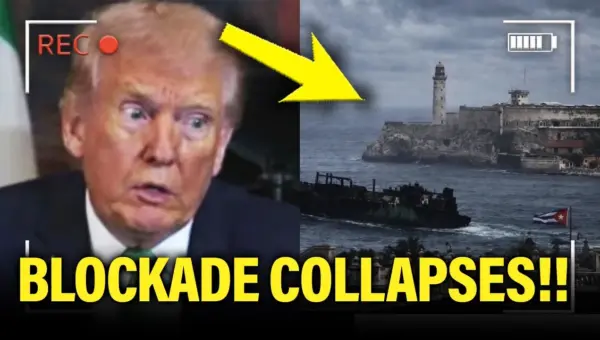
Putin Outmaneuvers Trump, Exposing Weakness on Cuba Policy
Recent events show a Russian oil tanker reaching Cuba, bypassing a supposed U.S. blockade. This move, seen by critics as a sign of weakness and a strategic win for Russia, raises questions about U.S. foreign policy and its effectiveness in the region.
Ukraine Seals Defense Deal Amidst Russian War Funding Woes
Ukraine has signed a new defense cooperation agreement with Saudi Arabia, enhancing its international security role. Meanwhile, Russia faces internal pressure to fund its war, with reports of businesses being asked for contributions, though the Kremlin denies direct requests from President Putin.

Kremlin Saw Trump as Key Asset, Analysis Reveals
Analysis suggests Moscow viewed Donald Trump as a key "asset" rather than a recruited agent. This perspective allegedly shaped Russian efforts to influence U.S. policy, particularly concerning the 2016 election and ongoing geopolitical conflicts. The piece details alleged Russian engagement with Trump since the 1970s and explores the implications of these connections on international relations.