Russia Shares Satellite Data, Drones With Iran to Aid War Effort
Russia is sharing satellite imagery and drone technology with Iran, expanding military cooperation to support Tehran's war efforts against the U.S. and Israel. This reciprocal relationship sees Iran also aiding Russia, highlighting a growing alliance between autocratic nations.

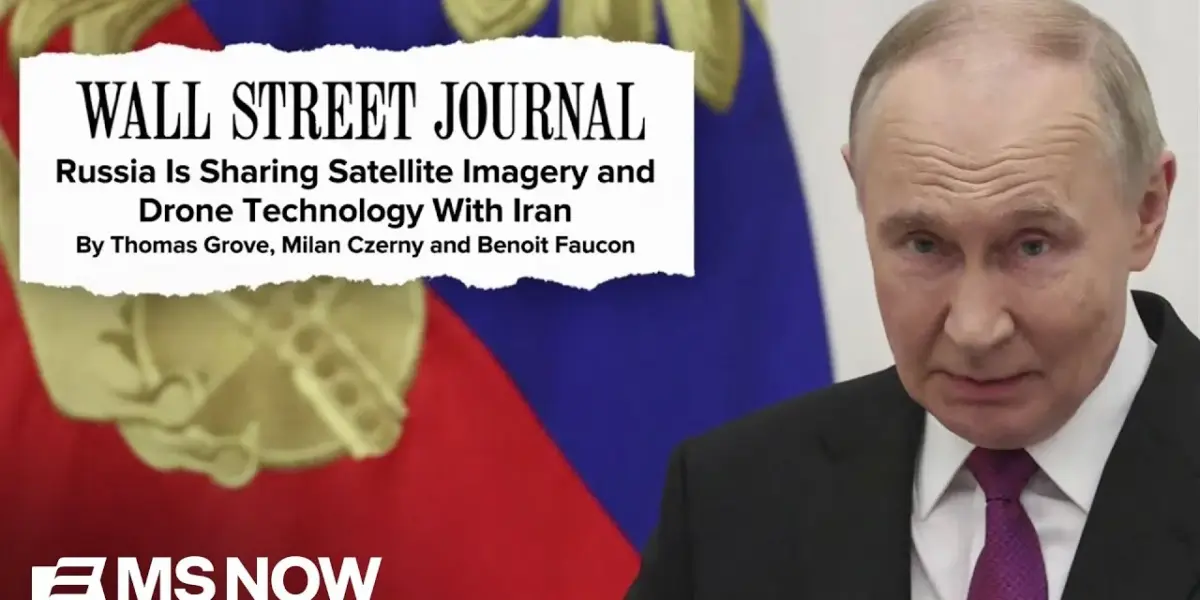
Russia is providing Iran with crucial satellite imagery and advanced drone technology, according to a recent report by The Wall Street Journal. This move marks an expansion of intelligence sharing and military cooperation between Moscow and Tehran. The goal appears to be supporting Iran’s ongoing conflict against the United States and Israeli forces. This partnership aims to keep Iran engaged in the fight, a conflict that benefits Russia militarily and economically.
Intelligence Exchange Fuels Iran’s Military Actions
The Wall Street Journal reports that Russia has increased its intelligence sharing and military cooperation with Iran. This includes providing satellite imagery and improved drone technology. This assistance helps Tehran target U.S. forces and other interests in the region more effectively. Russia’s motivation seems to be maintaining its close Middle East partner. This helps prolong a war that serves Russia’s interests.
A Reciprocal Relationship: Iran Aids Russia
This new level of support from Russia is seen as a return favor. Earlier in the conflict in Ukraine, Iran provided significant support to Russia. This included drone technology. Specifically, Iran supplied Shahed drone technology, which Russia is now producing itself. This intelligence sharing, including satellite data and signals intelligence, is considered formidable. It significantly improves Iran’s ability to accurately target U.S. and Gulf Arab sites.
“The fact that the Russians are doing this is no shock at all.”
Experts suggest that U.S. intelligence likely anticipated this kind of cooperation. Iran’s support for Russia in Ukraine, which may have included enhanced drone components, was expected. Now, Russia’s provision of advanced capabilities to Iran strengthens Tehran’s offensive power. This could include targeting U.S. naval vessels in the Gulf.
Broader Alliance of Autocracies
The cooperation between Russia and Iran is not an isolated event. Analysts view Iran as part of a network of autocratic nations. These countries often work together when they share mutual interests. Past close relations with Venezuela and ongoing ties with China highlight this trend. Evidence suggests Iran has allowed Chinese ships passage through the Strait of Hormuz, while restricting others.
This collaborative approach contrasts with the idea that Iran acts alone. The Trump administration, for instance, may have underestimated the degree to which these autocracies cooperate. They are willing to help one another when their interests align. For Russia, these interests include raising oil prices, keeping the U.S. occupied, and embarrassing the American president.
Limited but Significant Russian Aid
While Russia’s support is valuable, it is also constrained. Russia’s own ongoing conflict in Ukraine limits its capacity. Additionally, Moscow may be hesitant to further anger former President Donald Trump. The current aid, though limited, plays a vital role in Iran’s war effort. Satellite data and advice on drone tactics are particularly significant.
The assistance helps Iran improve its ability to strike specific military targets. This is a low-risk, high-impact strategy for Russia. Any Kremlin that failed to pursue such an opportunity would be seen as incompetent. Vladimir Putin, according to some analysts, has little respect for Donald Trump and focuses on anything that complicates his own objectives, especially in Ukraine.
Implications for Global Alliances and U.S. Standing
This deepening Russia-Iran axis has significant implications for global alliances. European allies have felt neglected and attacked by certain U.S. political rhetoric. Repeated criticism of NATO, an organization founded and led by the U.S., has created distrust. While some U.S. politicians may focus only on short-term gains, other nations have a longer historical memory.
Actions have consequences, and behavior in one situation affects perceptions in others. Autocratic nations recognize mutual interests and the benefits of working together. However, they are also willing to abandon partners if it serves their advantage. The inability of some U.S. figures to find common ground with historic allies is now showing its results on the global stage.
What to Watch Next
The extent to which this Russia-Iran cooperation will grow remains a key question. As the conflict in Ukraine continues, Russia may increase its support for Iran. This could be a strategic move to counter U.S. influence. U.S. policymakers face the challenge of addressing this growing axis of autocracies. The impact on Middle East stability and the broader geopolitical landscape will be closely monitored.
Source: Report: Russia sharing satellite imagery, drone technology to support Iran in war with United States (YouTube)

Related Articles


US Cardinal’s Papal Upset Redraws Vatican Influence
Pope Francis's election defied expectations, including his own, as an American cardinal believed an "American" Pope was unthinkable. The swift conclave surprised many, highlighting the unpredictable nature of papal selections and signaling a potential shift in the Church's global direction.


Mexico Navigates US-China Rivalry
Mexico is caught in a geopolitical tug-of-war between the United States and China. The nation must carefully balance its economic needs and strategic interests with both superpowers. This situation highlights Mexico's growing importance in global affairs.
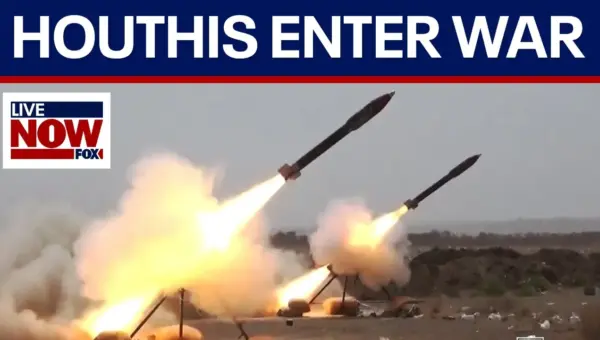
Iran-Backed Houthis Strike Israel, Escalating Regional Tensions
Iran-backed Houthi rebels have launched a missile attack targeting Israel, marking their first such strike since the current Middle East conflict began. The Israeli military confirmed the interception of the projectile. Analysts view this action as part of Iran's broader regional strategy, highlighting the regime's reliance on proxy forces amid internal weaknesses.