Russia Sees Widespread Protests Sparked by Internet Curbs
Dozens of Russian cities are experiencing widespread protests driven by internet shutdowns and economic hardship. Demonstrations against government restrictions and fuel shortages highlight growing public discontent and organized dissent.

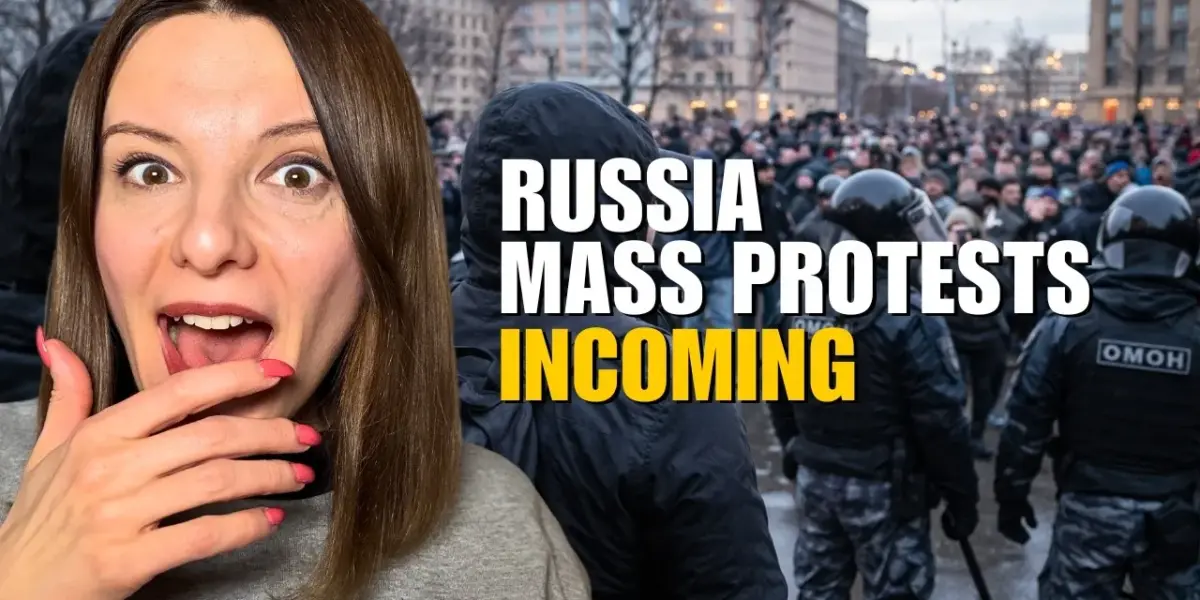
Nationwide Protests Erupt Across Russia Amidst Internet Shutdowns and Economic Woes
Recent days have seen an unusual surge in public dissent across Russia, with protests occurring in dozens of major cities. These demonstrations, unlike typical localized grievances, are notable for their organization and broad appeal. The core issue driving much of this unrest appears to be government-imposed internet shutdowns. These actions are causing widespread anger and anxiety among a diverse population, from the youth to pensioners. Many citizens believe these shutdowns signal deeper problems within the country, fearing announcements like general conscription or freezes on bank accounts.
Major cities including Moscow, St. Petersburg, and Yekaterinburg have become focal points for these protests. Demonstrators gathered in well-known public spaces associated with past dissent, such as Bolotnaya Square in Moscow. Russian authorities responded by deploying significant police and security forces to prevent large gatherings. While this prevented widespread clashes, it also highlighted the government’s concern over the growing and increasingly organized nature of these movements.
Internet Shutdowns Fuel Public Anger
The protests initially gained momentum as a response to the blocking of Telegram, a popular messaging app used by Russian soldiers, their families, and businesses. The situation escalated as internet shutdowns became more widespread, impacting daily life and commerce. Citizens are particularly incensed because they are, in effect, funding these internet blackouts through their taxes. The cost of creating artificial disruptions to mobile internet and communication services is substantial.
This loss of connectivity affects more than just communication with loved ones. It hinders the ability to conduct business, earn money, and access vital information. The Kremlin’s apparent disconnect from modern digital life, with reports suggesting President Putin himself does not use the internet, may be exacerbating the situation. This mirrors the perceived miscalculations regarding the war in Ukraine, indicating a potential misunderstanding of how ordinary Russians, especially the youth, feel about these restrictions.
Younger generations, in particular, are vocal online, using platforms to criticize the current leadership. The government’s actions are seen as stifling not only communication but also avenues for education and self-expression. The shutdowns are viewed as an attempt to control information, hiding news about explosions, economic difficulties, and financial instability.
Economic Pressures Add to Discontent
Adding to the internet-related grievances are growing economic problems, including shortages of gasoline and concerns over wages and taxes. Russia, historically known for its energy exports, is facing fuel shortages reminiscent of those experienced earlier in the summer. Strikes and damage to oil production facilities have disrupted supply lines. These shortages have previously triggered nationwide protests and are now contributing to the current wave of public discontent.
The combination of internet restrictions, fuel crises, rising taxes, and concerns about salaries creates a volatile environment. These issues are not isolated; they are occurring simultaneously in various regions, amplifying public frustration. This widespread and multi-faceted discontent is highly unusual in a country where public protests are historically rare and often described as apolitical.
Strategic Implications and Historical Parallels
The organized nature of these protests, particularly their coordination across multiple cities, is a significant concern for the Kremlin. This level of nationwide organization, facilitated by platforms like Telegram, is something Russian authorities fear. It allows activists to connect, exchange ideas, and build solidarity, which is seen as a direct threat to authoritarian rule. Security services, like the FSB, actively work to prevent such activism, recognizing its potential to foster a civil society over time – a development considered detrimental to regimes like the current one.
The current protests bear some resemblance to the well-organized demonstrations by taxi drivers earlier in the summer, which were also coordinated via Telegram. This suggests a pattern where digital communication tools are being used to mobilize public opposition. The government’s fear of organized, nationwide dissent, rather than isolated regional complaints, is a key takeaway. Such movements have the potential to grow and challenge the established order.
Historically, widespread public discontent coupled with economic hardship has been a catalyst for significant political change in Russia. The current confluence of factors – government overreach in digital spaces, economic instability, and growing public awareness – creates a fertile ground for further unrest. The Kremlin’s response, primarily focused on suppression, may prove insufficient to address the underlying issues fueling this discontent. The situation suggests that deeper political or societal shifts may be on the horizon, though the exact nature and timing remain uncertain.
The ongoing conflict in Ukraine also plays a role in shaping domestic Russian sentiment. Many Russians rely on social media for information, including updates on air defense and alerts, especially in regions affected by the war. The internet shutdowns interfere with this vital information flow. Furthermore, the government’s actions are leading some Russians to question the narrative about the war and their country’s international standing, fostering a sense that the leadership is out of touch with both modern realities and the needs of its own citizens.
Source: RUSSIA NATIONWIDE PROTESTS: MOSCOW ST. PETERSBURG EKATERINBURG Vlog 1363: War in Ukraine (YouTube)

Related Articles
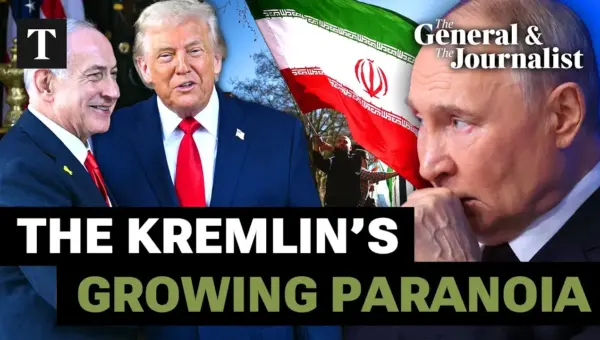
Kremlin Shakes: Elite Discontent Fuels Putin’s Paranoia
Internal turmoil and paranoia are reportedly gripping the Kremlin as President Putin faces growing elite discontent and the realities of the Ukraine war. Meanwhile, Russia's strategic involvement in the Iran conflict highlights complex calculations and potential risks, even as a wider global war remains unlikely.

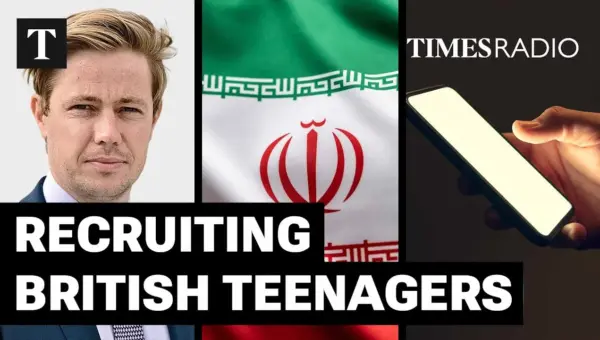
Iran Recruits UK Teens Via Social Media for Spying
Iranian intelligence is reportedly using social media, particularly Telegram, to recruit teenagers in the UK for espionage. These recruits are often offered small sums for tasks like filming targets, potentially unaware of the severe legal consequences if linked to the state. This tactic mirrors methods previously seen with Russian-linked groups.


Russian Elites Flee as Putin’s Grip Weakens
Russian elites are fleeing the country amid intensifying internal power struggles and economic decline. Wealthy Russians are reportedly taking billions out of the country, signaling a loss of confidence in the Putin regime. Disruptions in Moscow and stress on the banking sector highlight growing instability.