Russia Seeks Donbas Control, Offers Ceasefire
Russia has demanded control of the Donbas region within two months, rejecting Ukraine's ceasefire offer. Analysts suggest Russia is on the defensive, facing mounting casualties and territorial losses. Ukraine's successful drone warfare and innovation are boosting its global standing, while potential U.S. political shifts and European security concerns add complexity to the conflict's future.

Russia Seeks Donbas Control, Offers Ceasefire
Russia has stated its desire for a comprehensive peace, rejecting an Easter ceasefire proposal from Ukrainian President Volodymyr Zelenskyy. According to Dmitry Peskov, Russia aims to occupy all of the Donbas region within two months. Moscow has reportedly conveyed this deadline to the United States, urging Ukraine to withdraw its troops from the area. If Ukraine does not comply, Russia threatens to seize the region and impose new conditions for ending the war.
Russia on the Back Foot, Analysts Say
Despite Russia’s demands, military analysts suggest that Russia, not Ukraine, is currently in a more pressing need for a respite. Ukraine has demonstrated remarkable resilience and an impressive ability to withstand Russian advances. Ukrainian counteroffensives have resulted in the loss of territory for Russia. In fact, Russia may have lost as much, or even more, territory than it has gained since the beginning of the year.
Ukraine has developed effective defensive strategies, creating what are described as “kill zones.” These areas, enhanced by new defense initiatives, are reportedly yielding significant results. Casualty figures for Russia have dramatically increased over the past 12 to 18 months compared to Ukraine’s. While Russia is reportedly considering increasing troop numbers to overwhelm these defenses, it remains unproven whether they can succeed against Ukraine’s innovative technological and civil society-driven defenses.
Economic Pressures and Geopolitical Shifts
Russia may be finding some comfort in the recent increase in oil and gas prices. If sustained, these higher prices could provide Russia with an additional $30 to $40 billion in revenue. However, this amount represents a small fraction of Russia’s GDP, which was projected to grow very slowly. Therefore, the economic boost may not significantly enhance Russia’s overall capabilities.
A more concerning issue for Ukraine is the depletion of U.S. military resources. Some of these resources are intended for Ukraine, and if they come under stress, it could lead to delays in crucial weapon deliveries. This complex situation highlights the interconnectedness of military aid, global energy markets, and geopolitical influence.
Ukraine’s Drone Warfare Success
Ukraine’s drone warfare efforts have been particularly successful. The world is taking notice, with many countries, including those in the Gulf and Arab regions, seeking Ukrainian expertise and production to defend against drone attacks, particularly from Iran.
Russia’s Strategic Retreat and Negotiation Tactics
Analysts believe Russian President Vladimir Putin may be seeking a way out of the war, recognizing the mounting losses and potential shifts in Russian public opinion driven by economic hardship and casualties. However, for Putin, any resolution must appear as a victory. Reclaiming the Donbas, which he considers historically Russian, could serve this purpose. This objective represents a retreat from Russia’s earlier negotiating stance, which also included demands for control over Kherson and Zaporizhzhia.
The Russian demand to occupy the Donbas is seen by some as an attempt to pressure Ukraine into concessions. However, given Ukraine’s current performance on the battlefield, it is unlikely they will be intimidated. The potential withdrawal from established defensive positions in the Donbas would require Ukraine to build equally strong second lines of defense, a complex undertaking.
Furthermore, this Russian offer could be an attempt to destabilize Ukraine internally by creating divisions within society and among its fighting forces. The possibility of a negotiated settlement involving a demilitarized zone in the Donbas raises significant questions about international law, territorial rights, and the potential displacement of hundreds of thousands of civilians.
U.S. Pressure and European Concerns
Russian Foreign Minister Sergey Lavrov has called on the United States to pressure Kyiv into negotiations. There are concerns that U.S. efforts may indeed push Ukraine toward making concessions, such as withdrawing troops from the Donbas. Such a move could lead to the displacement of a significant portion of the population in those areas, raising human rights and territorial integrity issues.
On the other hand, Ukraine’s military capabilities and experience are becoming increasingly vital for the defense of the West. European nations, particularly Poland, have expressed concerns about the reliability of U.S. commitment to European defense under the current administration. A well-armed Ukraine, emerging from the conflict, could play a crucial role in Europe’s future security architecture.
Ukraine’s innovations in drone technology and military production are also gaining international recognition. This positions Ukraine not only as a defender but as a contributor to global stability and a potential partner in the international military-industrial sector. This is particularly relevant as other countries seek solutions to threats like Iranian drone attacks.
U.S. Political Dynamics and Future Policy
The declining popularity of former President Donald Trump is seen as a factor that could lead to more congressional voices speaking out in favor of Ukraine. As the political climate shifts and election cycles approach, more Republicans may feel emboldened to debate and shape effective policy toward Russia and Ukraine.
The economic consequences of past conflicts, such as higher energy prices, could further constrain presidential powers and influence domestic policy debates. While Trump’s approach to foreign policy has been described as transactional, a post-conflict, well-armed Ukraine could offer strategic advantages for the U.S. in pivoting resources and attention to other global regions.
Ukraine’s Drone Strikes and Retaliation Threats
Ukraine has intensified its attacks on Russian export infrastructure, including significant drone strikes on Baltic ports like Ust-Luga and Primorsk. Dmitry Peskov has warned of Russian retaliation if Ukraine uses foreign airspace for such attacks. However, Ukraine is currently using its own airspace for these operations, directing attacks directly toward Russia.
Expanding the range of targets could weaken Russia by broadening the scope of countries it engages with. However, if these actions involve NATO countries, global tensions could rise. Russia’s threats are largely viewed as propaganda, as Russia is unlikely to seek to expand the conflict given its current position.
Strategic Decisions on Energy Infrastructure
Some allies have signaled a desire for Ukraine to scale back long-range strikes on Russian energy infrastructure, citing concerns about rising global energy prices. While this could stabilize oil prices, it might also allow Russia to continue funding its war effort.
Russia possesses the resources to sustain the war, including access to its sovereign wealth fund and a willingness to accept economic consequences like inflation. The additional revenue from higher energy prices is unlikely to dramatically alter Russia’s economic growth trajectory, especially when considering that GDP figures include expendable military production.
Higher gas prices can also fuel populist movements that may oppose governments sympathetic to Ukraine. Therefore, maintaining stable energy prices and supporting pro-Ukraine governments in Europe is likely in Ukraine’s strategic interest. Ukraine may need to retarget its strikes towards other infrastructure, such as the Russian military-industrial complex or power grids, to act as a deterrent against Russian attacks on Ukrainian energy systems.
The global energy supply chain, with a significant portion passing through the Strait of Hormuz, can be impacted by disruptions. This can lead to recessionary consequences, which are detrimental to any government, particularly democratic ones facing elections.
Ukraine’s Growing Global Influence
Ukraine’s drone technology and battlefield experience are in high demand internationally, particularly in the Middle East. While Middle Eastern countries may not be ready to directly support Ukraine in its war against Russia, they are showing interest in investing in Ukraine’s post-war reconstruction and its burgeoning drone industry. This demand presents a commercial opportunity for Ukraine.
The recent exchange between Saudi Crown Prince Mohammed bin Salman and President Zelenskyy signals Ukraine’s increasing importance in global security. This could lead to capital flows and long-term commitments for rebuilding Ukraine, potentially through sovereign wealth fund investments or increased military-industrial production.
Broader Alliances and Hybrid Warfare
The global security landscape is evolving beyond a simple democracy versus authoritarianism dynamic. A more transactional approach to alliances is emerging, driven by regional interests and shared concerns about countries like Russia, China, Iran, North Korea, Venezuela, and Cuba. These nations collectively raise worries for much of the globe.
Regarding the risk of broader escalation involving NATO, Russia has historically employed hybrid tactics, including disinformation, provocations, and assassinations. While direct external aggression is a more serious concern, Russia has already engaged in such activities. A direct warlike act against NATO members would likely draw NATO into the conflict more directly, clarifying the stances of the United States and its allies.
Source: ⚡️Lavrov issued a sharp statement on war! Zelensky responded to Kremlin. Urgent updates on Donbas (YouTube)

Related Articles

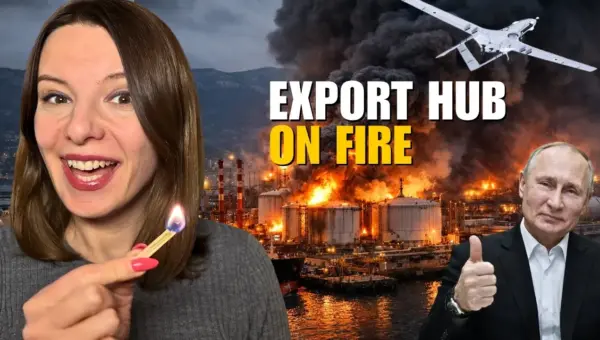
Ukraine Strikes Russian Oil Port, Crippling Exports
Ukrainian drone strikes have severely damaged oil export terminals at Russia's Novorossiysk port, a critical economic and military hub. These attacks aim to cripple Russia's oil revenue, a key source of funding for its war machine. The strikes highlight Ukraine's advancing drone capabilities and its strategic focus on degrading Russia's economic capacity.
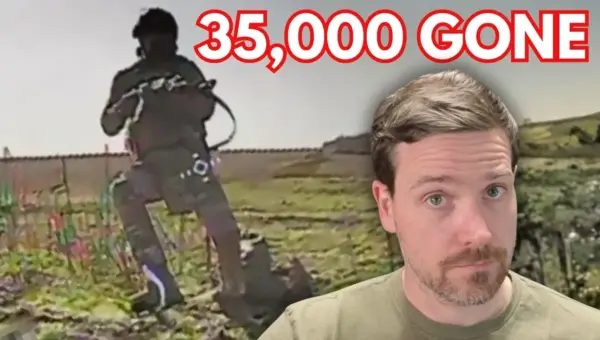
Drones Devastate Russian Forces in Record Losses
Russia experienced its deadliest month of the war in March, with over 35,000 casualties, largely due to Ukraine's advanced drone warfare. Ukraine is also targeting Russian oil exports to cripple its economy. This marks a significant shift in military tactics and economic strategy.

Iran Rejects Ceasefire; Trump’s Deadline Looms
Iran has rejected a U.S. proposal for a temporary ceasefire, demanding a permanent end to hostilities instead. President Trump's Tuesday deadline for reopening the Strait of Hormuz nears amidst escalating military actions and ongoing diplomatic efforts by regional powers.