Russia Returns to Global Sports Stage Amid Controversy
Russia is set to return to the Paralympic Games under its own flag after years of bans, sparking controversy and backlash from Ukraine. Some sports officials argue for keeping sport neutral, while critics decry the move as politically irresponsible amidst ongoing conflict.

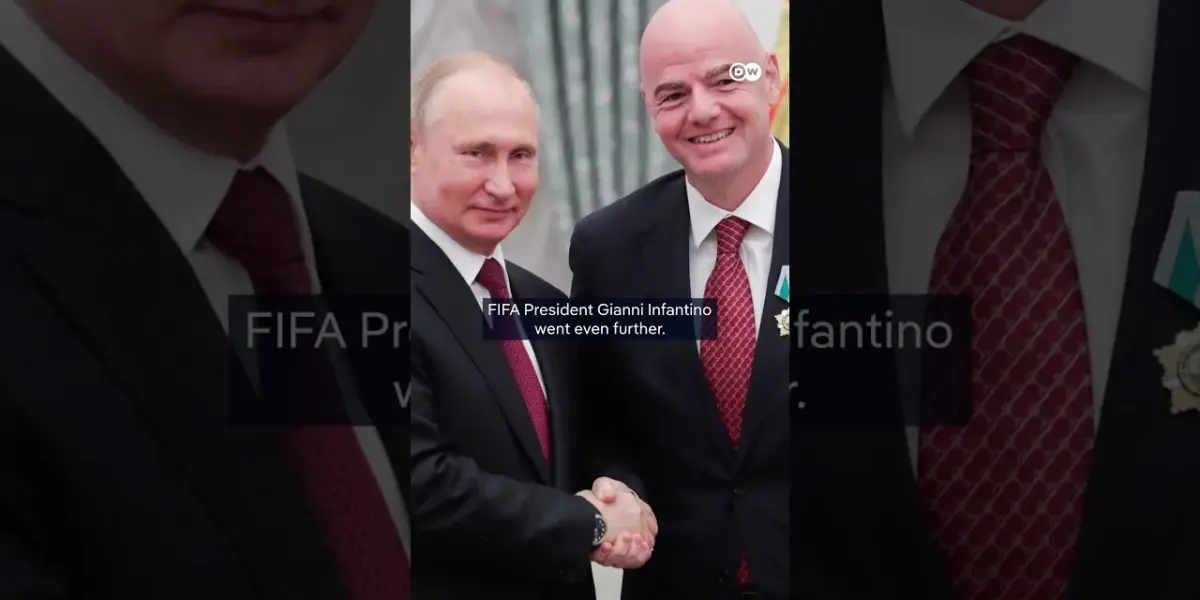
Russia Reinstated in Paralympic Games After Decade-Long Ban
Russia is set to march under its own colors at the Paralympic Games for the first time in over a decade, marking a significant shift in the global sports landscape. The decision comes after years of suspensions, initially stemming from a state-backed doping scandal and later exacerbated by the full-scale invasion of Ukraine. This reinstatement, however, is not without considerable controversy, drawing sharp criticism from Ukraine and other nations who view it as a morally and politically irresponsible move that could embolden aggressors.
Shifting Tides in Global Sports Governance
The return of the Russian flag to the Paralympic stage signifies a potential turning point in how international sports federations are handling the repercussions of geopolitical conflict. For years, Russian athletes have largely competed as neutral participants, a compromise aimed at allowing individual athletic merit to shine through while distancing them from state-sponsored actions. However, a growing sentiment within some sporting bodies suggests that the bans have been counterproductive, failing to achieve their intended goals and instead fostering resentment.
“Our game is sport. That means keeping sport a neutral ground, a place where every athlete can compete freely without being held back by the politics or divisions of their governments.”
This perspective, articulated by figures within the sports community, emphasizes the principle of sport as a sanctuary from political turmoil. FIFA President Gianni Infantino has been particularly vocal, stating that the existing bans have “not achieved anything” and have only generated “more frustration and hatred.” This viewpoint suggests a strategic re-evaluation of how to engage with Russian athletes and sports organizations, moving away from punitive measures towards a model that prioritizes inclusivity, albeit under scrutiny.
International Backlash and Ukrainian Concerns
The decision has ignited a strong backlash, particularly from Ukraine. Athletes and officials from Ukraine, along with some other nations, have declared they will not participate in the opening ceremony in protest. The prevailing sentiment among critics is that reinstating Russia under its national flag sends the wrong message, potentially undermining the integrity of international sports and failing to acknowledge the ongoing conflict and its devastating impact.
“I don’t understand why the sports community must go back, must make a step back. Why? What for? What changes? Everything became even worse.”
This sentiment highlights a deep concern that the progress made in isolating Russia from international sporting events following its invasion of Ukraine is being reversed. Critics argue that the situation on the ground has not improved, and in fact, has worsened, making a return to normalcy in sports premature and inappropriate. The argument is that sports should reflect global values and condemn aggression, rather than providing a platform that could be perceived as legitimizing or normalizing the actions of an aggressor state.
Precedents and Future Implications
While the Paralympics represent the most significant stage for Russia’s potential return under its national flag, other sports have already begun to reintegrate Russian athletes. Disciplines such as judo and taekwondo have previously allowed Russian competitors to participate with their national symbols. This trend suggests a broader, albeit fragmented, movement within international sports federations towards a more lenient stance. However, the specific context of the Paralympics, with its emphasis on inclusivity and the participation of athletes with disabilities, adds another layer of complexity to the debate.
Russia has also indicated a willingness to pursue legal avenues, reportedly threatening court action if the International Olympic Committee (IOC) does not lift its ban. However, the current trajectory suggests that such measures may not be necessary as governing bodies appear to be moving towards a resolution that allows for the return of Russian athletes, albeit under conditions that are still being negotiated and debated.
What’s Next for Global Sport?
The coming months will be crucial in observing how this decision impacts broader international sporting events and the solidarity among nations regarding sanctions against Russia. The response from other countries, the continued participation of Ukrainian athletes, and the broader implications for the neutrality and political stance of international sports organizations will be closely watched. The debate over the intersection of sport and politics is far from over, and this latest development is likely to fuel further discussion and potentially reshape the future of international athletic competition.
Source: Why is Russia returning to world sport? | DW News (YouTube)

Related Articles

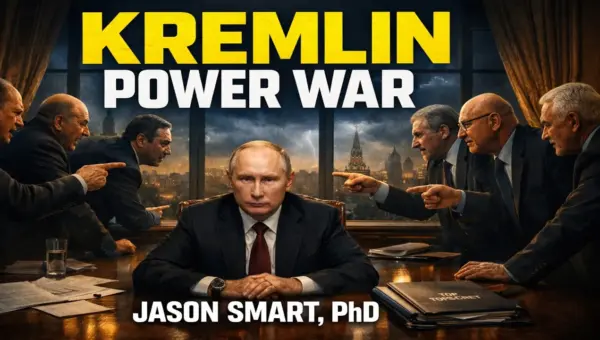
Putin’s Grip Weakens: Internal Strife Rises Amidst Geopolitical Tensions
Vladimir Putin's regime faces unprecedented internal pressure as economic strain and elite infighting escalate. The Russian President is reportedly manufacturing external threats and domestic fear to consolidate power, while geopolitical maneuvers and crackdowns on dissent signal a weakening grip. Despite these efforts, Russia's ongoing losses in Ukraine cast doubt on the long-term stability of Putin's leadership.

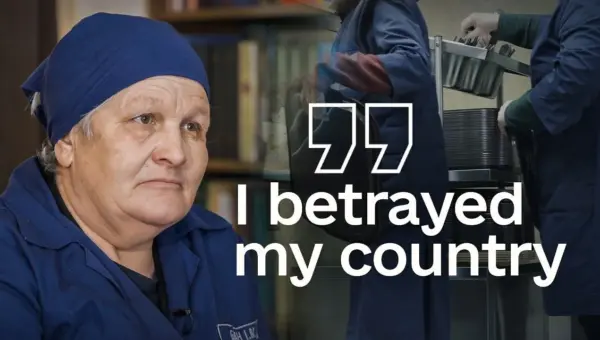
Ukraine Jails Women Who Aided Russian Invasion
Inside a Ukrainian prison, women convicted of treason and collaboration with Russian forces serve lengthy sentences. While some express regret, others maintain their actions were justified, revealing complex motivations and a deep societal divide. The facility offers a rare glimpse into the lives of those who sided with the aggressor.
Ukraine War Talks Postponed Amid Iran Conflict Fallout
Ukraine-Russia peace talks have been indefinitely postponed due to the escalating conflict in the Middle East involving Iran. Meanwhile, Russia maintains its war aims while Ukraine seeks to leverage its drone expertise to offset potential missile shortages.